Australia’s resource sector has long underpinned our national prosperity.
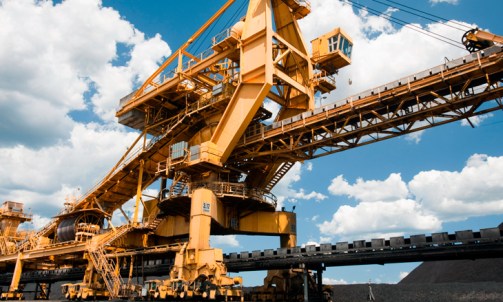
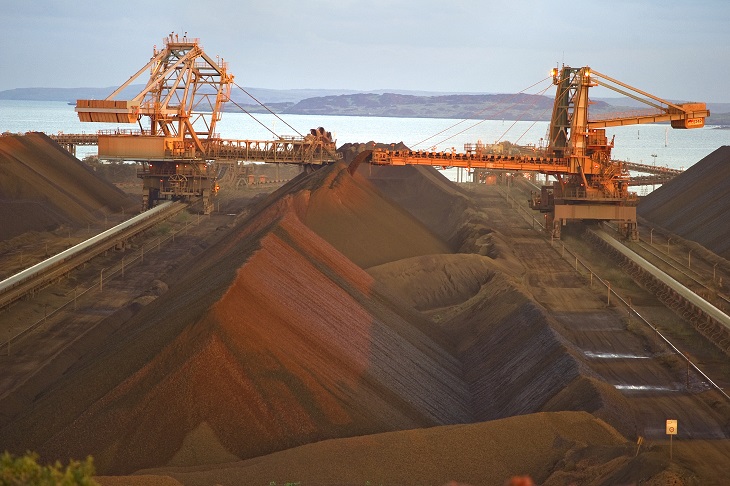
From iron ore and gold to lithium, rare earths and critical minerals, the discoveries across the country have generated hundreds of billions of dollars in exports, supported regional communities and helped fund public services across the nation.
Yet legislation passed by the Senate this week, following a deal with the Greens, risks undermining the very foundation on which our future mining success depends.
Evidence provided to the Senate inquiry into the Tax Reform Bill suggests that the Albanese Labor government’s capital gains tax changes could have serious consequences for mineral exploration, investment, and future resource development.
The Association of Mining and Exploration Companies (AMEC), representing hundreds of explorers and junior miners, delivered a stark warning.
Removing the 50 per cent capital gains tax discount for many investors will directly affect the people who finance Australia’s exploration sector – ordinary retail investors.
These are mums, dads and young people willing to take significant risks in the hope a successful discovery will eventually deliver capital growth.
Unlike established companies, exploration businesses generate no revenue and pay no dividends, making the prospect of future capital gains their principal attraction.
As AMEC told the inquiry, only around one in every thousand exploration projects ultimately become an economic mine.
Most fail, and investors know this.
That is why the capital gains tax discount has long encouraged aspirational Australians to commit patient, long-term capital to a high-risk sector.
Exploration depends on this patient investment.
Discoveries take years, and companies often return to investors over a decade or more to fund drilling and project development.
Without investment, projects stall, discoveries do not occur, and future mines are never built.
Labor argues these reforms are designed to improve housing affordability and redirect investment into more productive parts of the economy.
However, evidence suggests mineral exploration may simply have been overlooked – a concern which has only been reinforced as the legislation has made its way through Parliament.
Following sustained criticism, Labor negotiated a series of concessions and carve-outs, including expanded relief for some small businesses, special treatment for eligible technology start-ups and, most recently, further amendments agreed with the Greens to secure the Bill’s passage through the Senate.
Yet despite those negotiations, junior mineral explorers remain excluded.
Labor were prepared to concede changes which will harm self-managed superannuation funds and a range of other sectors to secure the Greens’ support, but failed to so much as consider the consequences for the companies responsible for discovering Australia’s next generation of mineral deposits.
Any reduction in exploration investment will inevitably weaken our future pipeline of resource projects and that concern is amplified by another recent policy decision.
Only 18 months ago, the Albanese Labor government abolished the Junior Minerals Exploration Incentive, one of the sector’s most successful investment programs.
According to independent analysis cited by AMEC, every dollar of tax credits generated two additional dollars in private capital raising, six dollars in exploration expenditure, $5.9 billion in future mineral production, and hundreds of millions of dollars in additional tax revenue.
Since its abolition, the sector has already experienced a decline in its ability to attract funding for greenfield exploration.
The CGT changes will compound that loss.
Survey data shows that 75 per cent of retail investors consider the capital gains tax discount either very important or extremely important when making investment decisions, while around half indicated they would consider changing their investment behaviour if the discount were removed.
For a sector that relies heavily on the participation of everyday mum and dad investors, that is a significant warning sign – and the long-term effects could be devastating.
Exploration decisions made today determining whether mines will still exist in the 2040s.
If fewer discoveries are made over the next five years, we will feel the consequences years from now through lower exports, fewer jobs, and reduced government revenues.
The resources sector generated approximately $383 billion in export earnings in 2025-26 – the product of decades of exploration, investment and risk-taking.
Today’s producing mines were yesterday’s speculative exploration projects, and tomorrow’s exports depend on maintaining the same pipeline of discovery.
These reforms reach into our most important export industries and impact the investment decisions that determine whether the next generation of mines is ever discovered.
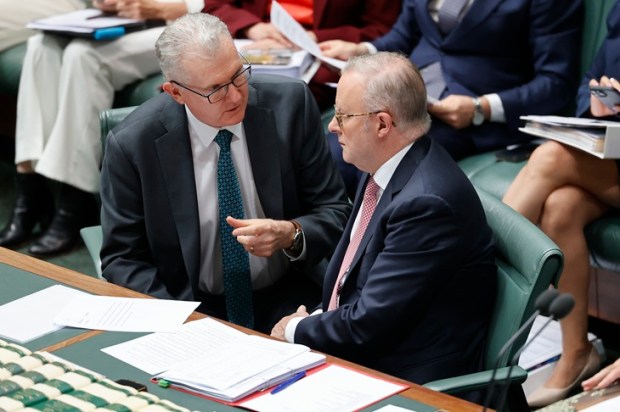
Prime Minister Albanese and Treasurer Jim Chalmers have performed backflip after backflip on this legislation, expanding carve-outs for other sectors and striking a dodgy deal with the Greens to secure its passage through the Senate.
Yet throughout those negotiations, junior mineral explorers have remained outside the tent.
A sensible carve-out for mineral exploration, like those provided elsewhere in the legislation, would have recognised the unique characteristics of exploration investment and preserved our competitiveness as a destination for long-term risk capital.
But Labor’s failure to do so will weaken one of the nation’s most important industries at precisely the moment the world is demanding more of the resources which we are uniquely positioned to supply.
For a government that frequently speaks about critical minerals, future industries and economic transformation, this is a costly contradiction.