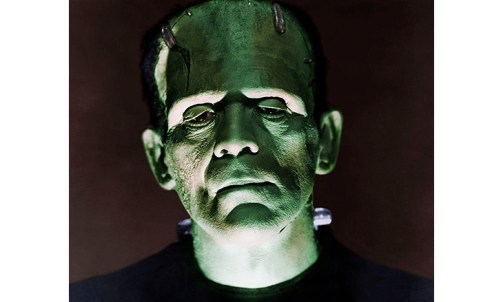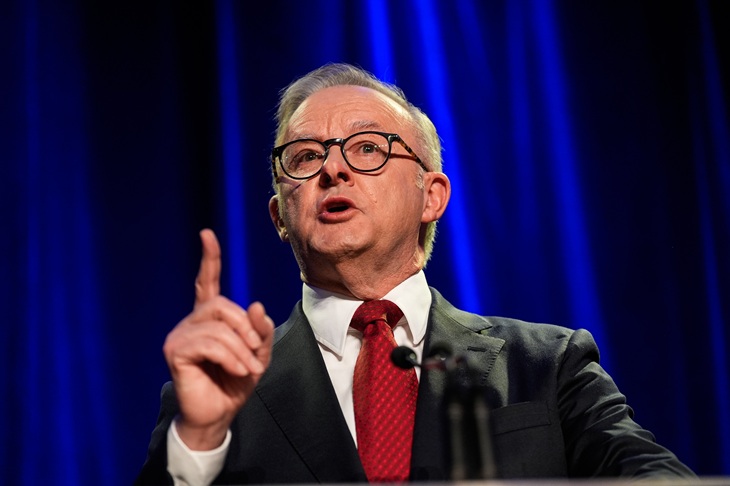
If intelligence could be measured in bronze, some of the people campaigning to tear down Australia’s colonial statues would struggle to outwit the monuments they despise.
This week, the Australian Labor Party has gathered for its National Conference. One might reasonably expect delegates to spend their time debating the great strategic questions confronting the nation: Australia’s fuel security, the future of Aukus, rising geopolitical tensions in the Indo-Pacific, Indigenous disadvantage in remote communities, housing affordability, stagnant productivity, or the ever-growing burden of taxation.
Instead, among the issues demanding precious conference time is the removal of colonial statues.
It is a remarkable illustration of political priorities.
Australia faces genuine challenges that will shape the country’s future for generations. Yet sections of the Labor movement appear convinced that rearranging the nation’s public memorials deserves equal billing with matters of national security and economic resilience.
The irony is difficult to ignore.
Several Labor state governments continue to face questions surrounding integrity, transparency, and union influence. Questions about governance, accountability and the relationship between organised labour and political power remain unresolved. Yet rather than confronting those uncomfortable realities, attention is diverted towards pieces of stone and bronze that have stood quietly for decades.
Statues do not rewrite history. They represent it.
Removing them does not erase the actions, good or bad, of the people they commemorate. It merely signals that modern political sensitivities have become more important than understanding the past in all its complexity.
History is rarely neat. The men and women who built Australia were neither saints nor demons. They were products of their own time, making decisions within the moral and political framework of their era. Mature societies acknowledge that complexity. Immature societies attempt to erase it.
There is also something revealing about the politics of symbolism.
Changing a street name, pulling down a monument, or renaming a public building requires little courage and even less competence. It creates headlines without solving a single practical problem. It allows politicians to claim moral victories while avoiding the harder work of governing.
I am told debate at this conference will itself be carefully managed and tightly controlled. If true, that would be entirely fitting. A conference dedicated to controlling historical narratives appears equally determined to control contemporary ones.
One cannot help but wonder whether disagreement is now viewed not as a healthy feature of democratic politics, but as an inconvenience to be choreographed away.
The modern Left increasingly mistakes symbolism for achievement. Identity politics replaces economic reform. Historical revision substitutes for strategic thinking. The politics of performance overtakes the politics of outcomes.
Meanwhile Australians continue paying higher prices, worrying about energy security, watching international tensions escalate, and wondering whether their political leaders have any intention of addressing the issues that actually affect their daily lives.
Perhaps that is the greatest frustration.
Australians are not asking whether another statue should disappear from a public square. They are asking whether they can afford their mortgage, whether their children will be safer in a more dangerous world, whether the country can manufacture what it needs, and whether governments remain capable of delivering the basics.
Those are debates worthy of a national conference.
Bronze statues are not threatening Australia’s future.
Misplaced political priorities just might.