Around 32 per cent of Australian voters gave Labor their first preference in 2022.
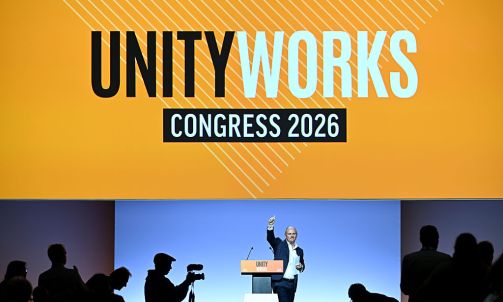
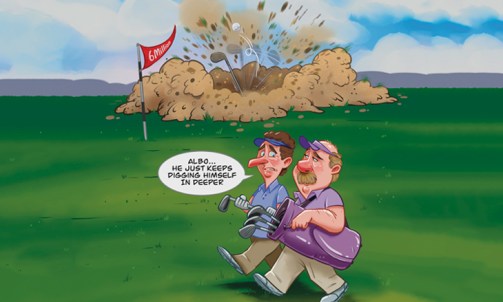
No ringing endorsement, despite a decade of ignominious and corrupted Liberal rule. (Yes, the Nats were there too, but after their simply waving Malcolm Turnbull through to the leadership in 2015, they don’t deserve joint billing). Certainly, there was no mandate. Labor scraped into office with preferences from parties to their left. Airbus Albo, aka the cosplayer (he likes to dress up in uniforms) and the barnacle (he likes attaching himself to what he sees as popular causes), just made it.
The debate over the correct voting behaviour of conservatives, centrists, and populists rages on. I am firmly in the camp of the UniParty and of the need always to punish bad governments. Sadly, these days, mostly this is easy. No one can remember a good government in Australia. Abbott’s might have been. We will never know. I recently dared, as a colonial, to offer the Brits some gratuitous advice on their forthcoming election (4 July).
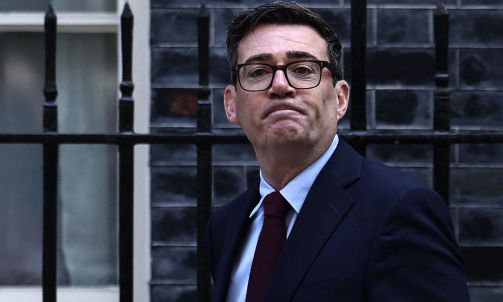
What if the alternative is worse? There is an argument that Albo is worse than the other lot. Perhaps it is blindingly obvious. Recently a regular writer at Quadrant Online, Peter O’Brien, wrote about Airbus with the following headline: A Man with Few if Any Redeeming Qualities.
He went on:
One tends to be instinctively antipathetic to political opponents, even allowing that you might agree with some of their policies. It’s a visceral, not an intellectual, reaction. You will probably notice how it can even extend to physical appearance – or is it my imagination that his smile is a weird rictus? It’s not universal. Gough Whitlam, until recently our worst Prime Minister, was a hard man to dislike. All (or most of) his disasters were made with good intentions. Disliking Paul Keating, on the other hand, was a doddle, and continues to be so. Albanese, however, is in a different league. The Office of Prime Minister has seriously exposed this hollow man … I have found it easier and easier to dislike him. With his recent moral vacuity on Israel and the ICC, he has now achieved the ultimate nadir. He is contemptible.Well, yes, he is. No arguments with any of the above. We will all have our unfavourite Albo policies. Funding UNRWA? The renewables madness? The Voice? The gift of $600 million to Papua New Guinea to establish an NRL team? The Digital ID? Mark Butler’s cheer-squadding of the World Health Organisation’s Pandemic Treaty? The unleashing of the eSafety Commissioner on free speech online? The failure to conduct a proper inquiry into Covid management? Failing to stem the runaway corruption and waste contained in the NDIS (National Disability Insurance Scheme), an un-needed Labor socialist invention of a decade or so ago? Supporting the case for Palestine to be admitted to the UN? Upping the ante on our mass immigration policies? It is an impressive list. Not bad for a mere two-and-a-bit years’ work. A candidate both for Australia’s worst ever government, and for a rare case of the dismissal of a first-term government, at the next election. Not even worthy of the paltry 32 per cent support he garnered. Albo even makes Bill Shorten look good. Well, goodish. He even makes Whitlam look moderate. Sort of. Bad policy can be defined in a number of ways, a bit like judging good and bad governments and good and bad prime ministers. What are the criteria? Well, policies might be bad because:
- No one wants them.
- They were not discussed in the election campaign, or at least they weren’t emphasised.
- They ignore current circumstances.
- They are dangerous to either the economy or to social harmony or our international standing.
- They may have unforeseen consequences of a nasty nature.
- They are not needed; they address a non-problem.