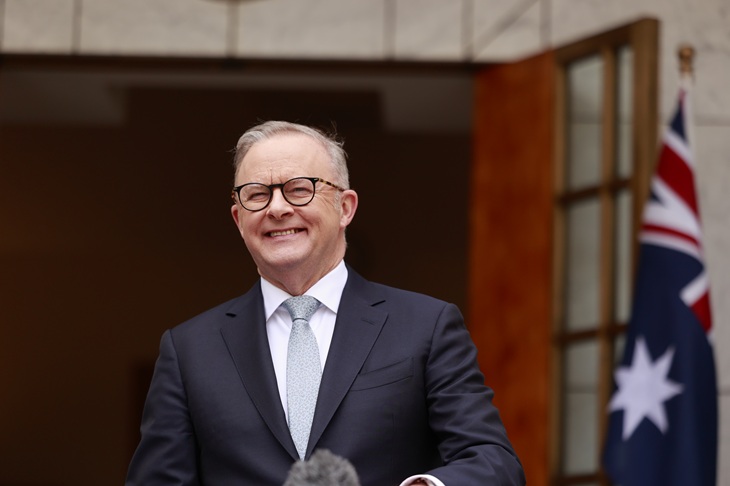
To determine how bad Prime Minister Anthony Albanese’s social media ban is, look at who is applauding it…
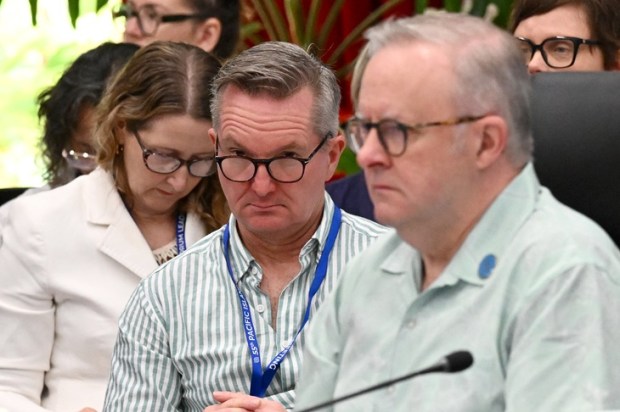
At the recent United Nations summit, the Prime Minister’s plan drew praise from European Union representatives – especially from its President, Ursula von der Leyen.
‘Europe is ready to take on cyberbullying and the addictive designs that trap children in endless scrolling,’ the EU President posted on X. ‘So @AlboMP, we will learn from Australia’s best practices.’
This should ring alarm bells for freedom-minded Australians.
While the social media ban attempts to fix a very real problem by forcing social media companies to prevent access to children younger than 16, it could easily become a Trojan horse for censorship.
Remember, von der Leyen heads up the same EU that previously regulated the size of bananas and cucumbers. It’s hardly a beacon of liberty. It is, after all, a bloated bureaucracy.
In 2024, economic think tank Bruegel released research which identified more than 100 different digital regulations for areas such as cybersecurity, e-commerce and data, faced by companies within the EU today.
Among these is the Digital Services Act that enables the restriction of online content to curb so-called disinformation. This may sound familiar. Australia’s proposed misinformation and disinformation laws were abandoned over widespread public concern that they gave the government too much power to remove online content.
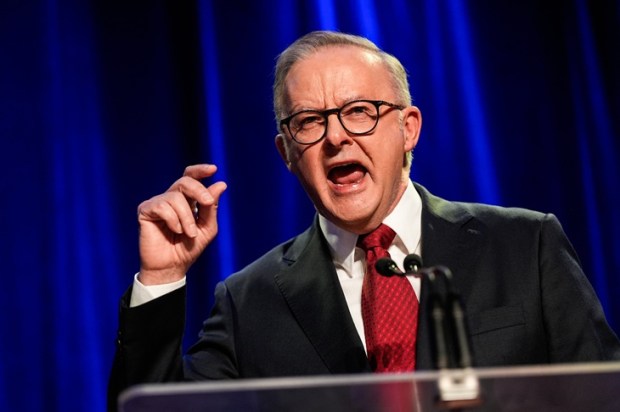
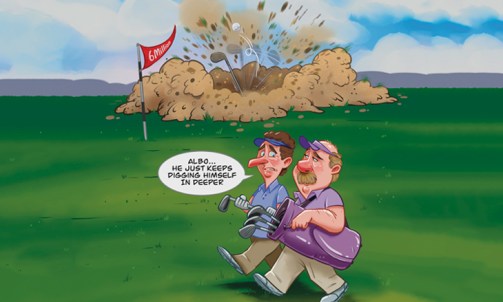
The social media ban is the Albanese government’s latest attempt at online censorship. As the Prime Minister proudly told the UN, these rules ‘go further than any country has before’. No wonder von der Leyen is cheering on the new media rules.
Australia’s new social media restrictions start on December 10. They lift the age children can open an account from 13 to 16.
The Institute of Public Affairs has already warned that this bill could open the door to a national online verification system – run by big tech companies, no less. That means more ID checks and greater threats to privacy.
There’s also the problem of ‘mission creep’. The office of the eSafety Commissioner was originally set up to help keep children safe online. Today, it employs more than 100 staff, commands over $42.5 million in taxpayer funding each year, and spends much of its time policing political speech within the online community. Soon it will also preside over the new social media ban. This is the age-old problem with bureaucracy – its tendency to grow.
Yes, social media can be harmful. But it also provides a vital outlet for young people to encounter alternative viewpoints – the kind they’re unlikely to find in Australia’s overwhelmingly woke schools and universities.
Today, Australia’s education system is so bad, many children are turning to the internet to find information. Young men in particular are going online to educate themselves on history, economics, and science simply because these subjects are politicised in school and increasingly light on facts.
Take the United States as an example. In the 2024 presidential election, social media was a decisive factor for the Donald Trump victory. According to Navigator polling, 57 per cent of men under 30 voted Trump – the highest youth male support for a Republican in two decades.
It’s no coincidence that young men are drifting to the right while still glued to their phones. Without platforms like YouTube, X, and TikTok, they might never have encountered alternate voices in the first place. Which makes you wonder: when government restricts access to these spaces, is it really about ‘protecting kids’, or about limiting exposure to ideas outside the official narrative?
Either way, Australia’s social media ban will have the effect of keeping children within a Woke echo-chamber for longer.
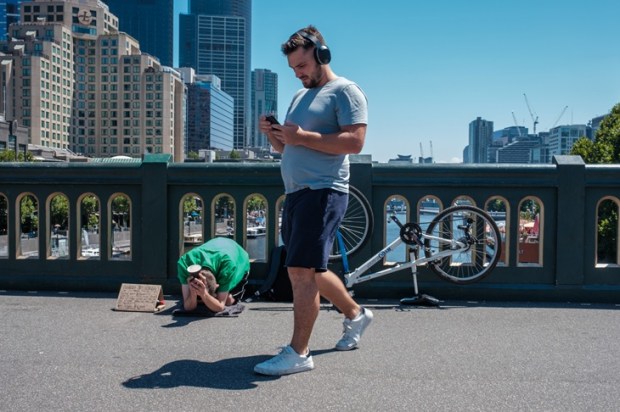
Of course, concerns about screen time and teenage wellbeing are real. Young Australians already spend an average of just over two hours per day on social media. That’s more than 14 hours a week, which amounts to almost a part-time job scrolling memes. But, banning accounts won’t solve that. It just outsources parenting to bureaucrats while pushing kids towards workarounds. After all, teenagers today are tech-savvy and more than capable of finding ways around digital restrictions.
Worse still, policies like this hand more authority to Canberra at the expense of parents. Under the new laws parents cannot give their consent to allow their children under 16 to use social media platforms, something permissible under the laws introduced by Ron DeSantis in Florida.
None of this is to dismiss genuine concerns about cyberbullying or addictive app design. But we should also ask: what freedoms are being quietly signed away under the banner of ‘safety’?
Because if Europe’s bureaucrats are applauding it, Australians should be worried.
Margaret Chambers is a Research Fellow and Brianna Mckee is a Research Fellow and the National Manager of Generation Liberty at the Institute of Public Affairs