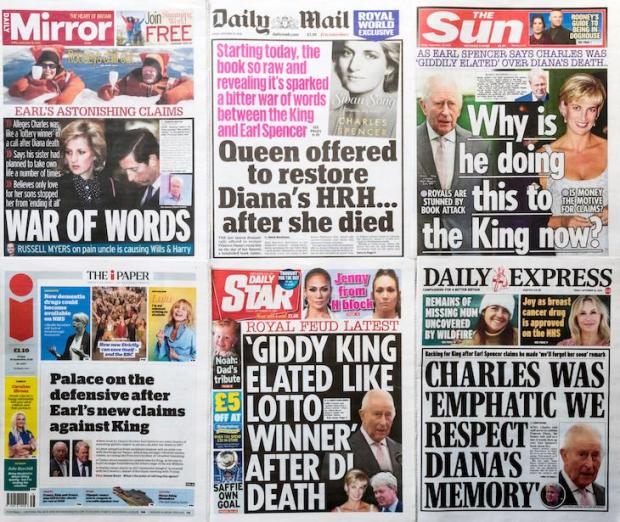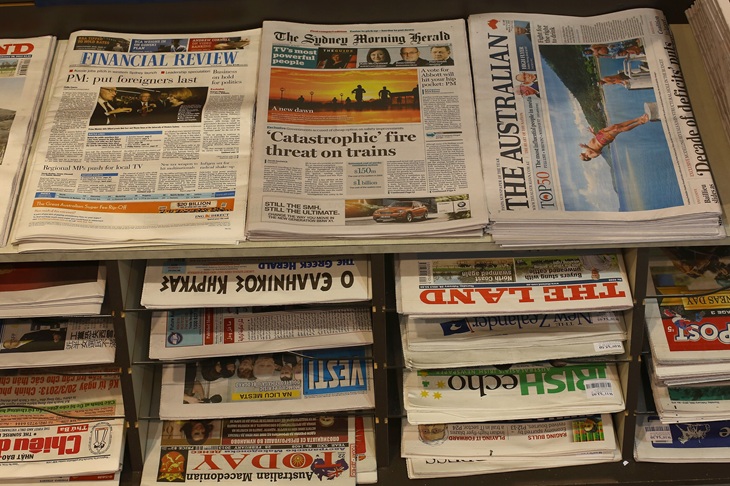
Old media is dying. One of the consequences of the internet revolution has been the emergence of citizen journalists and social media, which is slowly displacing the old systems of large media companies controlling the news narrative.
In the 20th Century the news came from a small number of sources. Today it is cheap and easy for anybody to set up a podcast or blog and potentially reach millions of viewers. The barriers to entry have crumbled, and the media market is being flooded by a large variety of new voices.
This is great news for those new media voices and people who want to hear them, but not everybody is happy about the changes.
The Media Empire Strikes Back
Old-school media empires are losing control over the narrative and seeing their revenues decline, but they’re fighting back. Big media and big government are currently working on a new policy that would tax digital platforms and provide a large subsidy to old media to help them stay dominant.
The scheme is known by the dull-sounding title ‘news bargaining initiative’, which sounds harmless enough, until you unpack the details. In essence the policy would tax the platforms that are widely used for alternative media (YouTube, Facebook, etc) in order to provide a subsidy to old media (News Limited, Channel Nine, etc).
There has been some pushback from the digital platforms, who understandably don’t want to pay a new tax, but that’s not the main problem. The public has little sympathy for large digital platforms. The costs of the proposed new digital tax will probably be passed on to Australian advertisers through higher fees, which will be yet another drag on Australian business… But realistically, the public also has little sympathy for advertisers.
The bigger problem with this proposed policy is that it represents a massive government bailout for the failing old media empires, in order to help them maintain control over the news narrative. This is a misguided and dangerous policy.
Controlling the narrative
While the details of this policy are unique, the underlying economic issue is not new. An established industry is shrinking due to technological innovation, and instead of changing with the times, that established industry appeals to the government for new subsidies for themselves and new taxes on their competitors. We’ve seen the same story play out many times in the past.
Of course, old media can’t simply come out and say that they want a bailout to protect their money and power. They need a cover story. To justify their subsidies, we are being told that we need to be protected from bad ideas, and that old media gatekeepers are necessary to control the narrative and ensure the public receives the ‘right’ sort of information. Apparently, this will improve social cohesion and help voters to make better decisions.
As with all dangerous ideas, there is a hint of truth to the above argument. Our society and democracy does work better when people can access good information, and with a growing number of media voices it can be hard to work out what is true and what is spin. The problem with this argument is that centralising narrative power in the hands of a few oligarchs does not necessarily improve the quality of information. Indeed, the public is justified in being jaded and sceptical of old media given their many past failures, distortions, and agendas.
This situation is made even worse by the fact that old media will become more dependent on government for their power, which creates an inherent conflict of interest. For media to play a positive role in our political system there needs to be a clear separation between media and government, with neither institution being overly reliant on the other. Australia’s media is already somewhat compromised due to their heavy reliance on government advertising for revenue, but this situation will be made even worse if the proposed new media subsidy scheme goes ahead.
What’s next?
The federal government has now released draft legislation that they plan on putting through parliament later this year. It looks like the Liberal-National opposition and the Greens are broadly supportive, so it’s likely to pass, but there are a number of steps you can take to push back.
Share this story with your friends and family to raise awareness of this issue, and share it through social media.
Provide a submission to the Treasury consultation process, briefly and politely explaining that the government should not be bailing out the old media empires, and giving them more control over the news narrative.
Contact your local MP and Senators, and let them know what you think.
The new media landscape has opened up new opportunities for regular people to have a greater say in the public debate. This new world of democratised speech can get messy, but it is something worth defending.
For more, follow Death and Taxes on Substack