One Nation’s proposal to slash Australia’s federal tobacco excise by 75 per cent represents the first major political move to treat the nation’s explosive illicit tobacco crisis as a structural economic failure rather than a mere policing shortfall.
Prior to the aggressive escalation of taxes that began in 2010, an ordinary pack of cigarettes in Australia retailed for roughly $10-12, with loose tobacco pouches costing around $15-20.
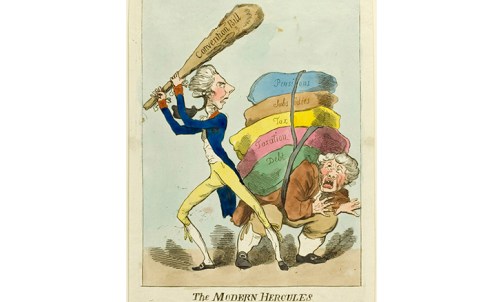
Over the following decade and a half, relentless compounding tax hikes saw the excise duty per stick skyrocket from under 30c to well over $1.40. This drove legitimate retail prices to $50, $60, and even $70 per pack, while standard loose tobacco pouches soared toward $100. In doing so, consecutive governments on both sides inadvertently created the highest tobacco prices on Earth and gifted organised crime a multi-billion-dollar illicit empire.
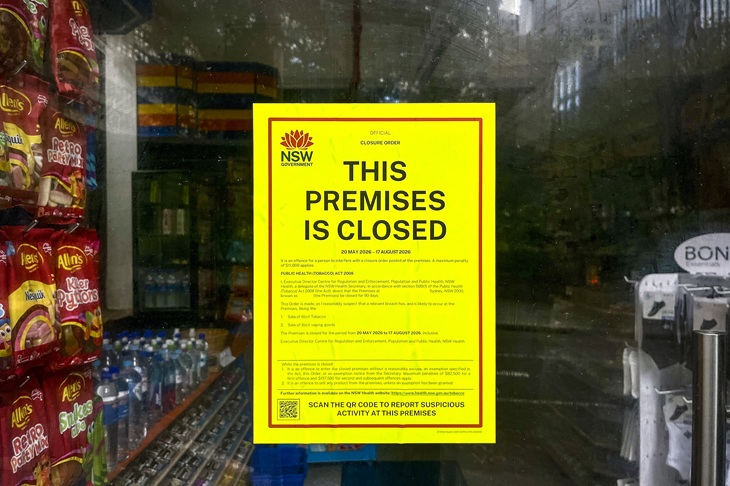
What began as a somewhat naïve but well-intentioned public health intervention has devolved into a nationwide gangland turf war marked by extortion, drive-by shootings, and hundreds of suburban retail fire bombings, while Treasury excise revenues collapsed as consumers fled to the untaxed black market.
The central objection from public health traditionalists is that slashing duties to bring legal packs down to around $20 will inevitably reverse decades of progress and re-create a nation of smokers.
Yet this fear rests on what could well be an outdated economic model that treats price as the only barrier to nicotine consumption, entirely ignoring the profound cultural, physical, and regulatory transformation of modern Australia.
In the era when smoking was ubiquitous and affordable, people could light up freely on domestic flights, at their office desks, inside restaurants, and at public venues. Today, comprehensive indoor and public-space smoking bans create constant daily physical friction, permanently removing both the environmental cues and the practical opportunities for heavy, continuous cigarette consumption regardless of the retail cost.
Simultaneously, decades of sustained public education, graphic health warnings, plain packaging, and cultural denormalisation have dismantled the social prestige of smoking. It has shifted decisively from an aspirational lifestyle marker to an inconvenient, stigmatised habit, creating a powerful social barrier that permanently suppresses youth experimentation and social uptake. Furthermore, the millions of packs currently purchased each week are not consumed by newly minted smokers, but by existing smokers who have already been buying untaxed, unregulated black-market stock for $15 to $20 under the counter. Slashing the excise does not flood the market with cheap tobacco; rather, it neutralises the criminal margin, redirecting current consumers away from gang-run storefronts and back toward legitimate, tax-paying retail registers.
Once again, the party alleged to be without policy is setting the agenda. The most probable long-term political outcome of One Nation’s initiative is that the major parties will be forced to follow in this general direction in their wake.
While initial resistance from political rivals is standard, the reality on the ground makes the status quo untenable.
Law enforcement agencies simply cannot police away an economic arbitrage opportunity of this magnitude, and state governments can no longer absorb the escalating violence and fire bombings in local shopping strips. It has become abundantly clear that without implementing this reduction or a fundamentally similar structural tax reform, Australia’s tobacco market will remain permanently under the control of violent criminal syndicates.
Undercutting the illicit supply chain will destroy their business model at its financial root, reclaiming public safety and the rule of law without sacrificing the nation’s deeply entrenched health safeguards.