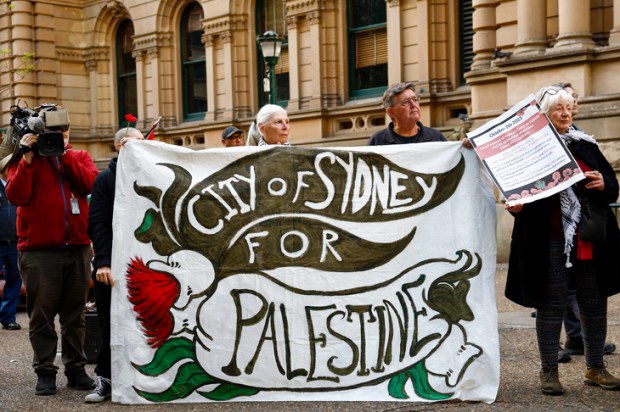
Australia’s political left appears so consumed by Israel that one could be forgiven for thinking there are no other issues facing the country.
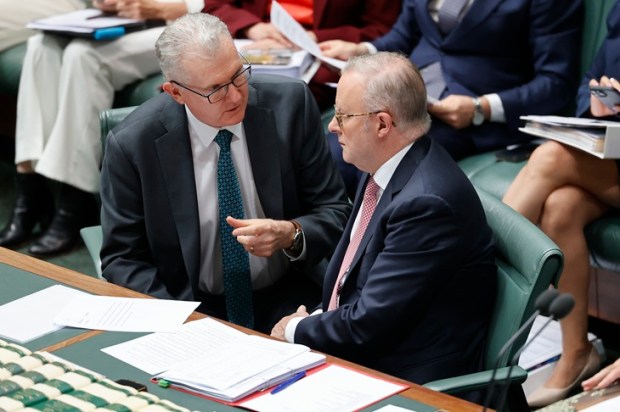
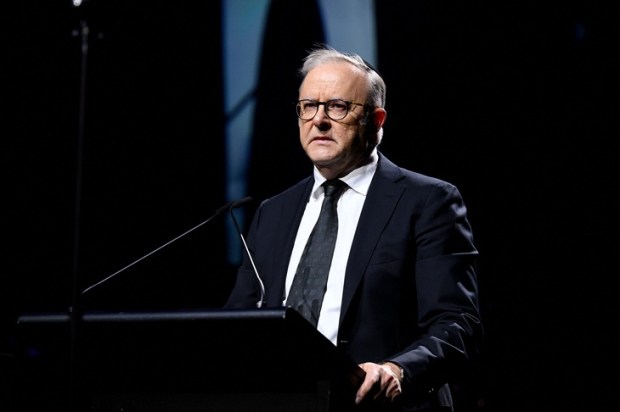
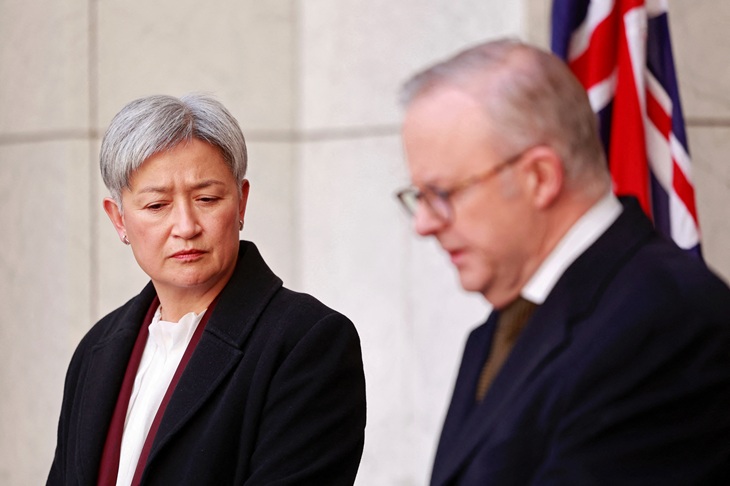
Forget the disastrous budget delivered by Treasurer Jim Chalmers and Prime Minister Anthony Albanese, which further erodes the aspirations of Australians trying to buy a home, build a business, or create the kind of future many post-war immigrants dreamed of for their children and grandchildren. Forget the growing concerns around radical Islamism, the return of ISIS brides who once vowed to destroy Western Civilisation, or Victoria’s spiralling youth crime, tobacco wars, and collapsing infrastructure. Instead, the obsession remains Israel.
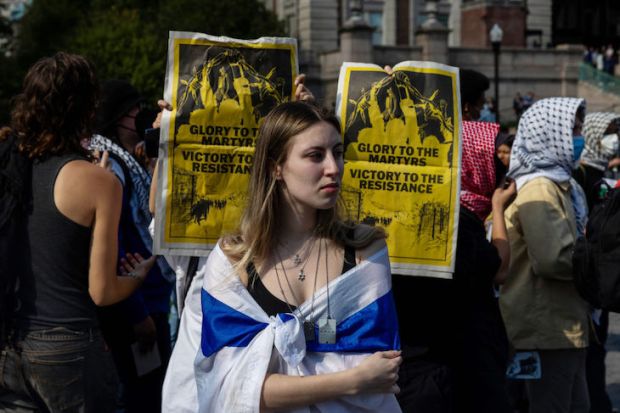
After decades of foreign money flowing into Western institutions, including from states such as Qatar, the ideological results are becoming increasingly visible. Recent polling shows older Australians overwhelmingly rejecting the Greens, while younger generations are embracing a worldview shaped by anti-Western, anti-colonial, radical gender, and anti-Israel activism that increasingly spills into outright antisemitism.
Why, at a time of economic decline and social instability, is Israel even a central topic at Labor conferences, particularly in Victoria?
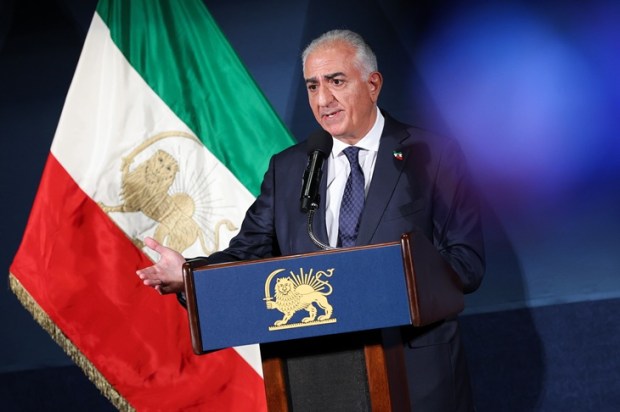
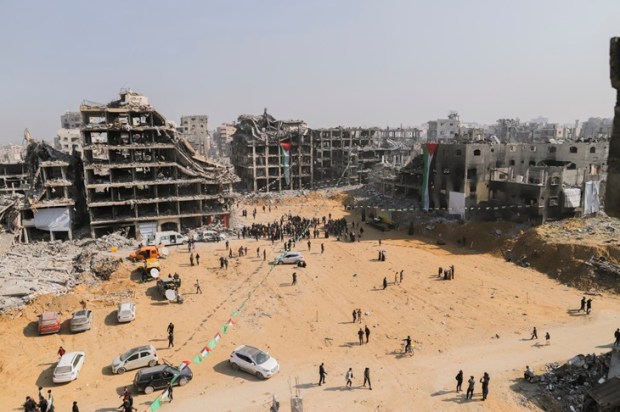
One would think the priority should be fixing a state burdened by debt, crime, and deteriorating public confidence. Yet we rarely hear the same passion directed toward Christians slaughtered by Islamists in Nigeria, Congo, or Sudan, nor toward the Iranian regime’s executions and brutal repression of protesters. More Christians have been killed in these countries this year than Palestinians during the entire Gaza war yet where is Greta Thunberg and her fellow paid serial protestors?
Has anyone noticed the environment no longer matters to her?
I digress.
History teaches us that antisemitism never began with gas chambers. The Holocaust did not start in the camps. It began with boycotts, restrictions, social exclusion, confiscations, cancellations, and institutional failures that gradually normalised hatred. Each step paved the way for the next.
Australia was once one of Israel’s strongest allies. Israel in such a short period became a powerhouse in fields such as innovation and invention in fields such as technology, medicine and agriculture.
Yet one of the first foreign policy decisions under the Albanese government was to reverse Australia’s recognition of Jerusalem as Israel’s capital. Who has the right to determine the capital city of another country?
Our government has repeatedly echoed claims originating from Hamas-linked narratives before facts were verified. Whether it was the false hospital explosion narrative or misleading imagery circulated online, condemnation of Israel always came swiftly, while corrections, when facts emerged, were either muted or absent altogether.
Who can forget the false imagery of starving children held by well-fed family members?
Facts matter but distorting them to suit a narrative works. It did in the lead-up to the Holocaust and it is working well now. At this point, I am surprised our Labor government didn’t repeat the story by the New York Times that Israeli dogs were trained to rape Palestinians.
It is my view that despite having access to intelligence and information unavailable to the public, ideological hostility toward Israel by the government has consistently appeared to outweigh caution or balance.
Ironically, Israel remains the only democracy in the Middle East that guarantees the equal rights and freedoms many of its critics would not enjoy under the Islamist movements they excuse or defend.
For many activists, support for the ‘pro-Palestinian’ movement has also become social currency. To leave the movement risks losing friendships, status, and political relevance. For Labor figures, there is also the electoral calculation of maintaining support in parts of Western Sydney.
The historical parallels are difficult to ignore. The Balfour Declaration promised support for a Jewish homeland, yet Britain later severely restricted Jewish immigration through the White Paper policies, even as Jews tried to flee Nazi Europe. Britain prioritised appeasing radical Arab leadership, including the Grand Mufti of Jerusalem, Haj Amin al-Husseini, whose alliance with Adolf Hitler is well documented.
Had more Jews been permitted to flee to Mandatory Palestine, countless lives may have been saved. My own grandparents lost entire families in the gas chambers of the Treblinka extermination camp.
Al-Husseini openly supported Hitler’s campaign against the Jews, and Mandatory Palestine descended into violent unrest, pogroms, and terrorism.
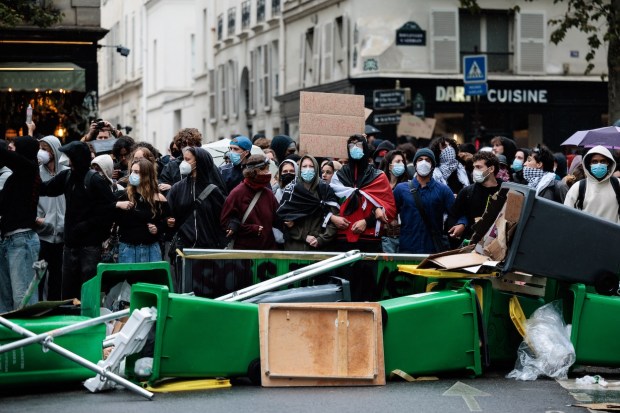
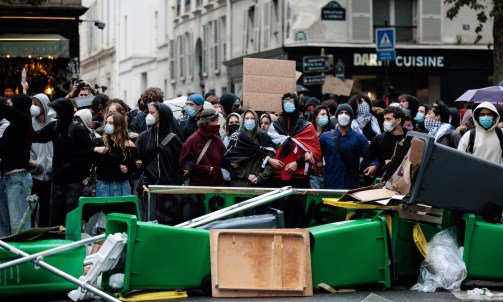
Today, Australian cities increasingly appear to be facing their own crisis of social cohesion. From organised crime and fire bombings to antisemitic protests, synagogue attacks, and openly hateful chants, many Australians feel their leaders are either unwilling or unable to restore order.
The chants of ‘Gas the Jews’ and ‘F-k the Jews’ heard in the aftermath of the October 7 attacks should have been met with the full force of the law.
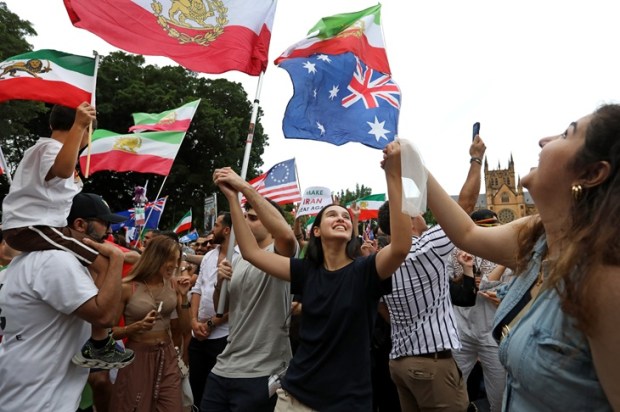
Few reasonable Australians believe the mobs outside the Sydney Opera House on October 9, 2023, were simply engaging in peaceful political expression while Israeli flags burned barely 48 hours after the massacre carried out by Hamas.
The Albanese government was ultimately pressured into establishing a Royal Commission into antisemitism and social cohesion after initially resisting calls for one. Rather than confronting the ideological drivers of extremism and hatred, the government has too often attempted to redirect the conversation elsewhere.
Britain once compromised its own commitments and principles in an effort to appease radical forces. Today, many Australians fear their own government is repeating similar mistakes by sacrificing social cohesion and public safety for political expediency.
If Australia is to preserve the Judeo-Christian and liberal democratic values that helped build a stable and prosperous society, then Australians must be prepared to reject political extremism, whether religious or ideological, and demand leadership focused first and foremost on the nation’s security, unity, and future.