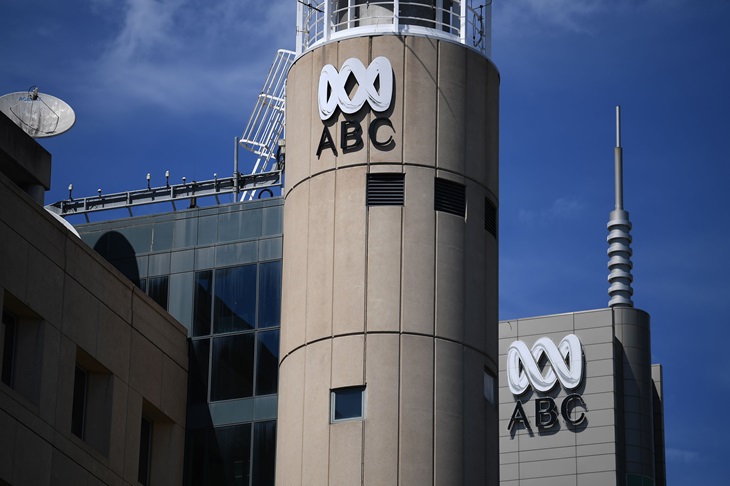
More than one thousand ABC journalists and staff walked off the job this week as the latest three-year enterprise bargaining agreement collapsed, leaving ABC Managing Director, Hugh Marks, with nothing to say, other than the action was ‘very unfortunate’.
What he should have said is ‘do your worst’.
Unionised staff at the national broadcaster withdrew their services for 24 hours having rejected the latest three-year pay offer from management. The deal included a 3.5 per cent pay rise in the first year followed by 3.25 per cent in the subsequent two years along with a one off $1,000 payment for all staff.
Not for the first time, ABC staff have woefully misread the room. Public investment in the pay dispute is subterranean. Taxpayers couldn’t care less if the broadcaster stopped its services for a month. The vast majority of media consumers would not even notice.
Fuel prices and its availability, cost of living, housing, job insecurity and global instability are all dominating kitchen table discussions. While cocooned ABC employees are focused on themselves, many taxpayers have expressed the view online that ABC staff are a protected species wildly undeserving of public support and sympathy.
Of further concern to taxpayers is the common practice of so-called ‘star’ presenters operating ‘side hustles’ as conference ‘master of ceremonies’, speakers, and panel ‘experts’. Huge numbers of ABC presenters regularly attend Writers’ Festivals and the like. It’s unclear if they are paid or not and whether preparation for such commitments is done on ABC time.
Many have written books – which also frequently result in paid speaking engagements outside their primary pay arrangements with the broadcaster. Other prominent ‘on-air’ figures are employed on contracts and are not on the staff at all. Such arrangements lack transparency.
In the 2025-26 financial year, the ABC is budgeted to receive $1.016 billion in operational funding from the Commonwealth. This represents a $27 million increase on the previous year. Already total expenses for the broadcaster this year are budgeted at more than $1.3 billion – but the Labor government has announced a funding boost of $83.1 million over two years along with a $43 million additional payment every year thereafter. Not bad.
Against this, the leadership team continue to argue the case for greater annual funding leaving taxpayers shaking their heads.
In the globally fragmented media landscape – the ABC is in a vicious ‘audience war’ with competitors for ears and eyeballs. The fight is not going well for the national broadcaster. Under-35s across the country have all but dumped television and are unlikely to return. In other words – ABC TV is fast running out of an audience.
The industrial action by unionised ABC staff could not have been timed more poorly. Far from garnering public support, the strike action has further alienated the broadcaster from its remaining audience – casting staff as totally disconnected from the real world. Taxpayers rightly want to see signals from Ultimo headquarters that it is responsive to the public mood for efficiency in service delivery and for a more streamlined structure – with fewer staff – not more. The ABC should stop trying to be all things to all people.
If Marks wanted to seize this moment to really put his stamp on his role as MD – he would present the ABC Board, and the public, with a plan to reduce operating costs and increase the use of technology in service delivery. Many people support an independent, ad-free broadcaster, but not at any cost.
While taxpayers well understand this, it remains a mystery why ABC staffers do not.