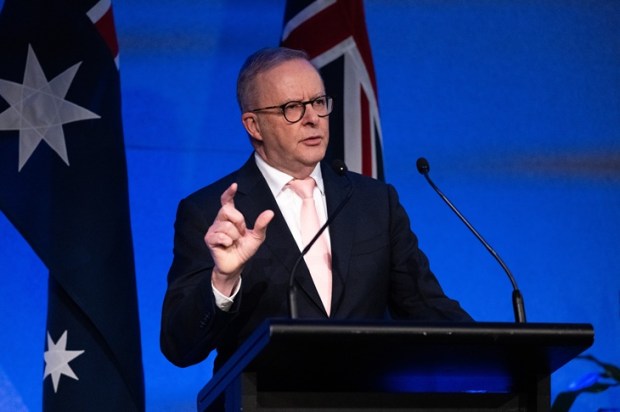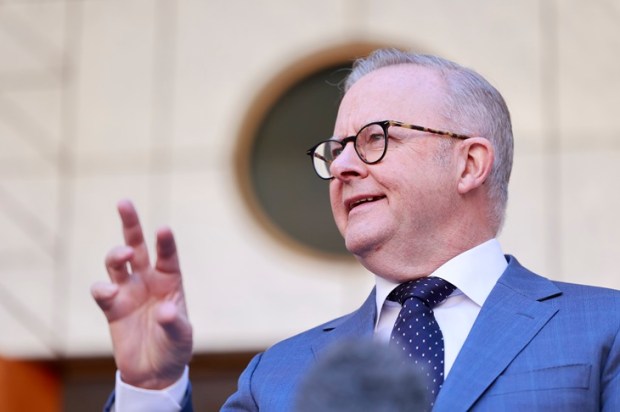
Now Labor wants Australians to believe the budget problems are suddenly the fault of instability in the Middle East and the current war in Iran, as though Anthony Albanese and Jim Chalmers had been prudently managing the nation’s finances beforehand.
Spare us.
The structural problems in the budget long predate the current conflict.
Australians have watched spending balloon, productivity collapse, energy costs rise, inflation remain stubbornly high, and have endured 15 interest rate increases under this government. The idea that the budget was sound until global instability intervened is political fiction.
Young Australians in particular are being treated with contempt.
What exactly is a $250 tax rebate to Australians trying to save for their first home deposit when rents are projected to cost them an extra $104 a week on average on top of already soaring rent and housing costs? What difference does an extra 68 cents a day really make when the rising cost of living is already hitting Australians far harder than that? Labor presents token relief measures with one hand while taking far more with the other through inflation, housing pressure, and rising living expenses. It is political theatre masquerading as economic compassion. Whatever happened to our $275 electricity cost reduction promised to us in the 2022 federal election? In fact, electricity costs us much more than an extra $275 a year. I digress.
The government talks endlessly about building new homes, but Australians are entitled to ask a basic question: Is it really an increase in supply when immigration levels continue to surpass those housing numbers? Adding homes while population growth outpaces construction does not relieve pressure. It simply entrenches scarcity, drives up prices and rents, and locks younger Australians further out of ownership. The dream of home ownership becomes harder every year while Labor congratulates itself on targets that fail to match reality.
The proposed changes to capital gains on productive assets are not simply another tax reform. They are a direct assault on aspiration. Australians who worked overtime, skipped holidays and invested carefully to save for a home or a more secure retirement are now being told their reward is a higher tax bill. The Australian dream, once grounded in sacrifice leading to stability, is being eroded in real time.
This is the fundamental difference between Liberal and Labor philosophy. One believes people should be empowered to build wealth, control their own future, and pass opportunity onto their children. The other increasingly believes success exists primarily to be redistributed by government.
For many Australians, especially migrants and children of migrants, this strikes at something deeply personal. Post-war immigrants arrived in this country with little more than determination and a belief that sacrifice would be rewarded. My own grandparents lived with that mentality. I still remember my grandmother encouraging me to save for a house deposit. She believed in discipline, delayed gratification, and ownership. Millions of Australians were raised with the same values. Labor now appears determined to discard them.
The government insists these measures target only the wealthy. Australians have heard that line before. Negative gearing changes are always sold as harmless until rents rise. Capital gains taxes are always framed as ‘fairness’ until ordinary investors realise they are the ones paying the price. Paul Keating’s reforms in the 1980s contributed to rent increases and housing pressure that Australians still feel today. History matters, even if Labor would prefer voters forget it.
The danger is not merely higher taxes, but capital flight. Australians with the means to invest will increasingly look overseas. They will buy property overseas, invest overseas, and move wealth offshore because the domestic environment no longer rewards risk-taking or long-term saving. That weakens Australia’s economy, undermines productivity, and leaves younger Australians even further behind.
At the same time, taxes never seem to come down. Australians are paying more while getting less. Infrastructure costs blow out. Energy prices rise. Housing becomes unattainable. Productivity stagnates. Yet Labor’s answer is always the same: more taxation.
Even worse, these proposals arrive while serious questions remain unanswered about billions flowing through alleged union corruption, scandals, and suspected rampant NDIS fraud that continues to drain taxpayer money. Australians are being asked to accept higher taxes while watching governments fail to properly recover public funds lost through fraud, organised crime infiltration, and systemic waste. Billions disappear, yet Labor appears more comfortable auditing ordinary savers than auditing the systems being exploited.
Perhaps if the government focused less on political calculations in Western Sydney and more on protecting taxpayer dollars, Australians would be in a far stronger fiscal position today. Australians are entitled to ask whether taxpayer money is being responsibly managed, both at home and abroad.
Australians are also being asked to simply trust reassurances from a government that has repeatedly broken its word.
Jim Chalmers says there are no plans to tax the family home or introduce inheritance taxes. But after the scale of broken election promises Australians have already witnessed, who in their right mind takes Labor at its word anymore?
Anthony Albanese promised no major changes to capital gains, no raids on superannuation, and no attacks on family savings.
Australians were told one thing before the election and delivered another afterward. In fact, Albanese once declared ‘my word is my bond’. Yet for many Australians, that claim now rings hollow.
Australians should not be forced to pay higher taxes simply because governments refuse to control waste, corruption, and fraud. Before introducing new taxes on aspiration and investment, the government should first demonstrate it can responsibly manage the billions it already collects.
Trust is the real casualty here. Anthony Albanese did not take these policies to the election. Australians voted on one set of promises and are now being governed under another. That damages credibility, integrity, and faith in democratic accountability itself.
Increasingly, many Australians look at the federal budget and see not a serious economic blueprint, but a document filled with political spin, creative accounting, and promises designed to outlast the news cycle. Chalmers likes to brand it as a ‘responsible budget’. Lucky for Jim Chalmers that Pinocchio was only a story.
The political consequences could be significant. Australia’s political pendulum no longer swings neatly between Labor and Liberal. Increasingly, it swings in multiple directions at once. Voters are frustrated, fragmented, and distrustful. Many no longer believe either major party truly represents them.
That is why this moment matters for the Coalition. If it wants to regain trust, it cannot simply rely on Labor’s failures. It must offer a credible alternative that explains how Australians can once again get ahead through effort, ownership, and personal responsibility.
Now is Angus Taylor’s opportunity. His budget reply must be assertive, forceful, and reassuring, particularly to younger Australians who increasingly feel abandoned by the political class. They do not want slogans or focus-grouped lines. They want conviction: someone prepared to fight for affordable housing, lower living costs, financial aspiration, and the right to build a future through hard work.
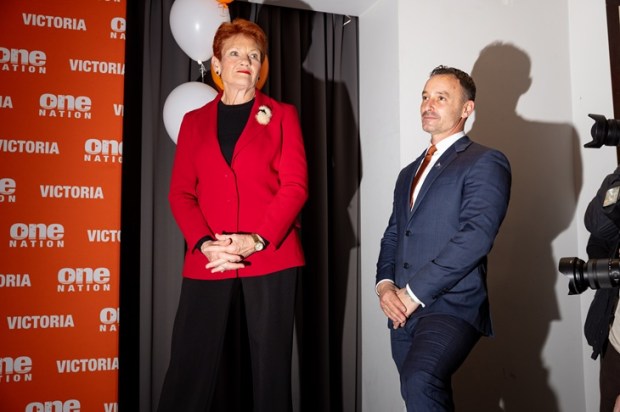
It is also the Coalition’s opportunity to convince voters considering One Nation or other minor parties that the Coalition remains the only viable alternative to Labor government. Protest votes may express frustration, but they do not form government. If the Coalition wants those voters back, it must demonstrate clarity, conviction, and the willingness to directly challenge Labor’s economic direction rather than cautiously managing around it.
Australians do not want a country where government increasingly controls their financial destiny. They want a country where hard work still matters. Where saving is rewarded, not penalised. Where sacrifice today still leads to a better tomorrow.
Labor’s latest tax push sends the opposite message: your success belongs to the state, and if the budget is broken, you will pay for it.