In ancient Iranian culture, Amordad is not merely the name of a month. It is a symbol of immortality, renewal, and enduring life.
In ancient Iranian belief, Amordad is the Amesha Spenta entrusted with the protection of plants and all vegetation, a divine guardian who preserves life, prosperity, and the continuity of creation. For this reason, during the festival of Amordadgan, ancient Iranians would gather in nature, among trees and flowing streams, to celebrate life, greenery, and hope.
The great Iranian scholar Abu Rayhan al Biruni, in Athar al Baqiyah, explains that Amordad means immortality and deathlessness. He describes Amordad as the guardian of plants, nourishment, medicine, and life itself. In Iranian thought, immortality is not simply the continuation of physical existence. Rather, it is the enduring legacy of goodness, an honourable name, and the lasting impact a person leaves behind. The Latin words mortal and immortal also derive from Mordad and Amordad, respectively.
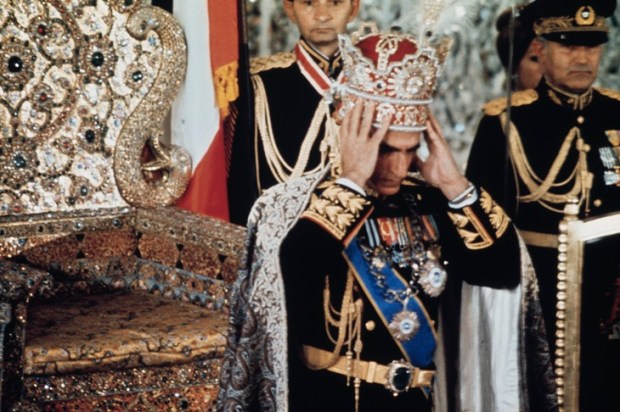
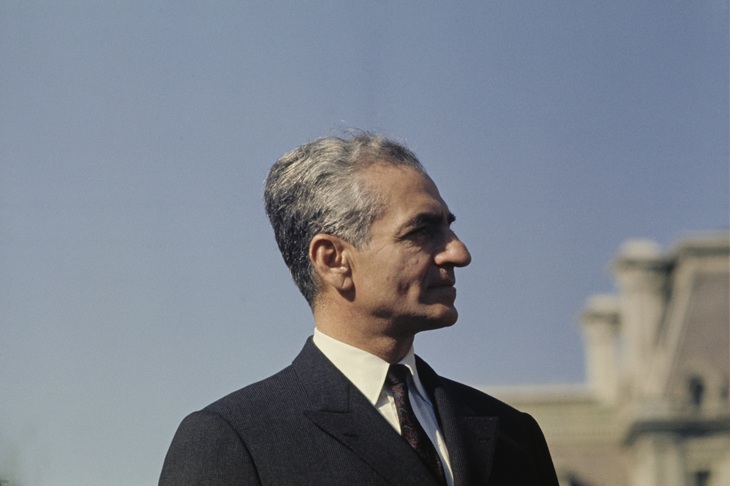
The fourth and fifth days of Amordad mark the anniversaries of the passing of two just and generous monarchs, Reza Shah the Great and Mohammad Reza Shah Pahlavi, Aryamehr, of the Pahlavi dynasty of Iran.
For many Iranians, the coincidence of these anniversaries with the month of Amordad is more than a historical occurrence. It serves as a reminder of the ancient belief that those who dedicate their lives to the prosperity, independence, and progress of their homeland are never erased from the historical memory of a nation.
Reza Shah the Great, at a time when Iran was plagued by disorder, insecurity, and underdevelopment, laid the foundations of the modern Iranian state. The establishment of a national army, the expansion of education, the construction of the Trans Iranian Railway, the founding of the University of Tehran, the development of roads, and the creation of an orderly administrative system remain among his enduring achievements.
Mohammad Reza Shah Pahlavi continued Iran’s path toward modernisation. The expansion of higher education, industrial development, economic and social reforms, greater participation of women in society, the strengthening of their rights and security, and his efforts to transform Iran into an advanced nation were among the defining policies of his reign.
In his first address to the United Nations General Assembly, he called upon the world to embrace reconciliation, peace, cooperation, and mutual respect. He described the United Nations as humanity’s greatest hope for preserving peace among nations. Delivered at a time when the world was still recovering from the devastation of the second world war, his message reflected a vision that saw the security and prosperity of nations in cooperation rather than conflict.
History, too, has not remained silent about these two Kings of Iran.
Richard Nixon, President of the United States
‘We are fortunate that His Imperial Majesty occupies the leadership of Iran, a leader who seeks peace.’
(Official White House State Dinner, July 24, 1973). Source: Richard Nixon Foundation
Nixon also declared at the 1969 State Dinner
‘Tonight, as we raise our glasses in honour of His Imperial Majesty, we pay tribute to a man who has demonstrated greatness in leadership, respect for the past, and vision for the future.’
Source: The American Presidency Project
Henry Kissinger, United States Secretary of State
‘The Shah was not a puppet, but an independent ally who made his decisions according to what he believed was in Iran’s best interests.’
Source: U.S. Department of State Historical Documents
Harry S. Truman, President of the United States
During the official welcoming ceremony for Mohammad Reza Shah, President Truman praised his role in Iran’s progress and in promoting cooperation among nations, expressing his sincere wishes for success in his service to the Iranian people.
Source: Harry S. Truman Library
Anwar Sadat, President of Egypt and the last loyal friend and companion of Aryamehr and the people of Iran
‘Egypt welcomes a great friend and a great leader.’
Despite intense political pressure, President Sadat welcomed Mohammad Reza Shah Pahlavi to Egypt. Following the Shah’s passing, he granted him a state funeral and arranged for his burial at the Al Rifa’i Mosque in Cairo.
As our ancestors believed, immortality is not achieved by overcoming physical death. Rather, it is attained through the triumph of Good Thoughts, Good Words, and Good Deeds over evil. In the eyes of many scholars and admirers of Iran’s contemporary history, Reza Shah the Great and Mohammad Reza Shah Pahlavi, Aryamehr, earned an enduring place in the nation’s historical memory through the legacy they left in the service of Iran’s development and prosperity.
They believed that every human being will one day depart from this world, but the ideas they uphold, the deeds they perform, and the legacy they leave upon the destiny of their people and homeland can continue to illuminate the path for generations of those who seek wisdom and virtue.
Amordad is the month of immortality. Each year, as Iranians commemorate the passing of these two visionary kings, it reminds them of a timeless truth: human life comes to an end, but service to one’s homeland, when inspired by love and a profound sense of duty, can endure forever in the memory of a nation, making one’s name Anousheh, eternal and deathless.
May the souls of Reza Shah the Great and Mohammad Reza Shah Pahlavi, Aryamehr, rest in peace, and may their memory forever be honoured in the history of Iran.
The great nation of Iran also awaits the day when Dadmehr of Iran, Reza Shah II, returns to his homeland, Iran.
By Leila Naseri: Author | Composer | Social Cultural Analyst