If Australians are serious about social cohesion and the safety of women and children, we must have difficult conversations about the real-world impacts of our out-of-control immigration policy.
Too often, debates on this topic descend into slogans or accusations of bigotry and racism, yet the overwhelming evidence emerging from Europe and the UK demands brutal honesty.
Australia should learn from these lessons before repeating the same mistakes, and not be so naïve or arrogant to think we can avoid their problems when we all know what happens there will inevitably end up happening here.
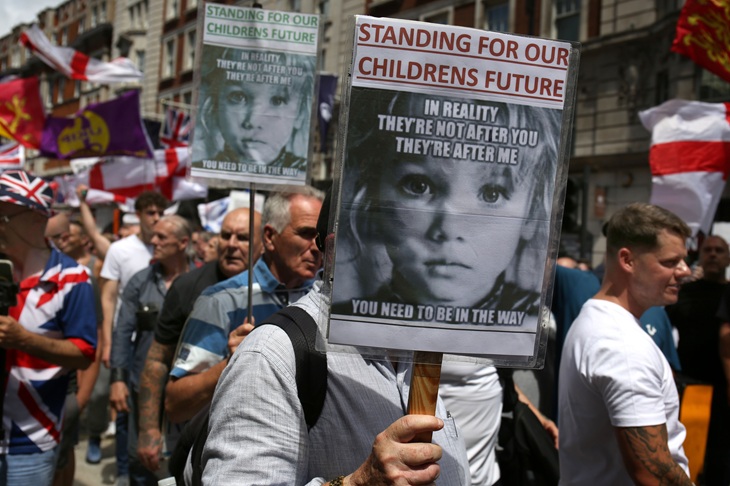
In the United Kingdom, mainly Pakistani rape gangs have inflicted Medieval horrors on reportedly hundreds of thousands of young white British girls. Earlier this month, British MP Rupert Lowe published the report from an independent inquiry into this decades-long human rights atrocity of rape, kidnapping, exploiting, trafficking, drugging, and murder that has taken place in many villages, towns, and cities in the UK. Aside from the nightmarish testimony of dozens of women brave enough to share the grotesque sexual atrocities inflicted upon them, often regularly over years, the institutional failure of police, social services, medicos, and politicians to act, is shocking and unacceptable, and convictions of those who failed in their duties must be sought. Indeed, whistle-blowers, victims and their families were routinely dismissed, punished, even arrested and charged, due to a toxic mix of fear of ‘racism’ and rampant bigotry towards the girls who were often in care or from deprived backgrounds.
With this uncontrolled wave of immigration from the third world into the West, a stark pattern has emerged of men from foreign cultures targeting indigenous British and European girls and women.
In Sweden, studies indicate that individuals with foreign backgrounds, especially from certain Middle Eastern, North African, and Afghan origins, account for a disproportionate share of rape convictions despite comprising a far smaller portion of the population. In Germany, the 2015-16 New Year’s Eve assaults in Cologne involved hundreds of women targeted by groups largely from North Africa and the Middle East, many recent arrivals. UK figures similarly highlight overrepresentation of nationals from Afghanistan, Pakistan, and Algeria in certain sexual offence categories. Sexual assaults and rapes across Europe have exploded sharply over the last decade.
The issue concentrates among subgroups – often young, unaccompanied, unintegrated males from societies with markedly different norms around violence, sex roles, consent, and women’s autonomy. When official data is properly collected, it consistently points to cultural and demographic factors rather than random chance.
Consider the ‘perfect storm’. Many men arrive from regions where Medieval attitudes to women persist; honour-based violence, forced marriage, and low female status remain realities in parts of Pakistan, Afghanistan, and North and sub-Saharan Africa. They enter high-trust, open Western societies offering welfare, free time, and smartphones with unrestricted access to violent pornography – much of it depicting the sexual torture and degradation of Western women. Some carry a belief in a pseudo-religious ideology that considers women who are not veiled ‘uncovered meat’ and that sex enslavement of non-believers is permitted. Add a reluctance by authorities to enforce the law lest they appear discriminatory, and the outcome is predictable: astronomical rises in sexual harassment, assault, grooming, voyeurism, and random sexual violence.
The cost to society of this cultural collision extends far beyond the financial.
Women’s lives become smaller. In parts of Europe, females now report avoiding certain suburbs, public transport, or festivals and parents impose curfews on daughters that previous generations never needed. Trust is eroded, not just in institutions that routinely fail victims, but in the social fabric itself.
Already overburdened taxpayers fund expanded policing, courts, victim services, and welfare.
Socially, acceptance of gay and lesbian people, secular law, and relaxed gender norms comes under pressure when imported attitudes, now protected by hate speech, vilification, and discrimination laws, clash with Western values.
Australia has so far avoided Europe’s worst excesses because as a remote island nation and Operation Sovereign borders we do not have hordes flowing over the landmass or thousands arriving on our shores by dinghy.
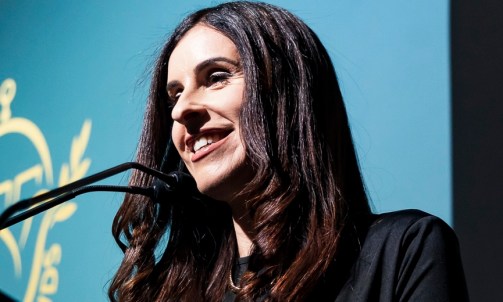
The notorious Skaf rape gang that targeted white Australian girls in Western Sydney in the early 2000s was staunchly prosecuted by then Crown Prosecutor Margaret Cuneen, receiving extremely punitive sentences. Compared to the Pakistani rape gangs in Britain, where convictions and sentencing are rare, and deportations nil. Despite the Skaf exemplar, there are increasingly frequent media stories of a recently arrived foreigner in Australia escaping deportation or incarceration after committing sexual crimes against Australian women or children – an alleged rape in North Sydney by a rideshare driver is one example very close to home.
We must be able to openly discuss the desirability and cultural compatibility of those who seek to come here, and if that means banning immigration from certain countries or parts of the world – then so be it. The USA has done it, why can’t we?
We must also prioritise the safety, wellbeing, and freedom of our own women and children, and deport any foreign national or dual citizen for crimes of sexual violence without exception, sob stories of their own personal circumstances must be disregarded, excuses that they didn’t know because their own culture allows it must be rejected. Our own people must come first.
As a mother, I do not want my daughters growing up in a country where public spaces feel less safe, or where debate about these trends is shut down. Critics may call this xenophobic but as a generational Australian with no claim to any other citizenship I am frankly beyond caring, because my firm belief is that we must not tolerate foreigners in our country that are willing to do our most vulnerable harm.
Suppressing data and experience does not protect women, it endangers them. We must have transparent statistics and be able to talk openly without debate-terminating accusations of racism.
Genuine concern for female safety requires acknowledging that not all cultures are equally compatible with ours on fundamentals: equality of the sexes, individual consent, and rejection of violence as a norm. Those from patriarchal tribal structures with no rule of law do not automatically transcend to a standard of Western civility upon arrival. It takes work.
Policymakers must prioritise values-based screening alongside skills. Restrict inflows from terrorist hotspots and from societies where human rights, women’s freedoms and LGB acceptance lag dramatically. Enforce integration rigorously – language, employment, and adherence to Australian law. Deport non-citizens who commit serious crimes. Support those who embrace our way of life while being realistic about scale and selection. This is not about closing borders. It is about sensible ones. Australia’s success as a nation rests on only allowing in those who strengthen, not strain, our social contract.
Protecting women and preserving cohesion demands we face these confronting patterns. Silence serves no one – least of all the next generation of Australian girls who deserve the freedoms their mothers took for granted.