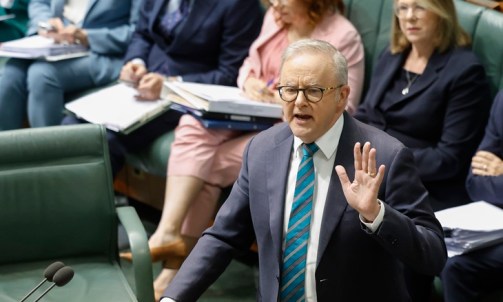
Andy Burnham says ‘we cannot have a situation where it’s only the poorest communities in the country’ that house refugees and asylum seekers – and ‘all parts of the country need to work, to play their part’. His comments came after Piddington, a publess, shopless 400-person village in Oxfordshire symbolically voted to secede from the United Kingdom over proposals to house 1,250 asylum seekers in a nearby Ministry of Defence site.
England currently supports 85,000 asylum seekers in its 296 local authorities, an average of 14.5 for every 10,000 residents. Where are they – and is Burnham right that they’re only in the poorest communities in the country?
There’s a great deal of variation: in some councils, the number approaches 50 per 10,000 residents. In ten councils, there are no supported asylum seekers at all.
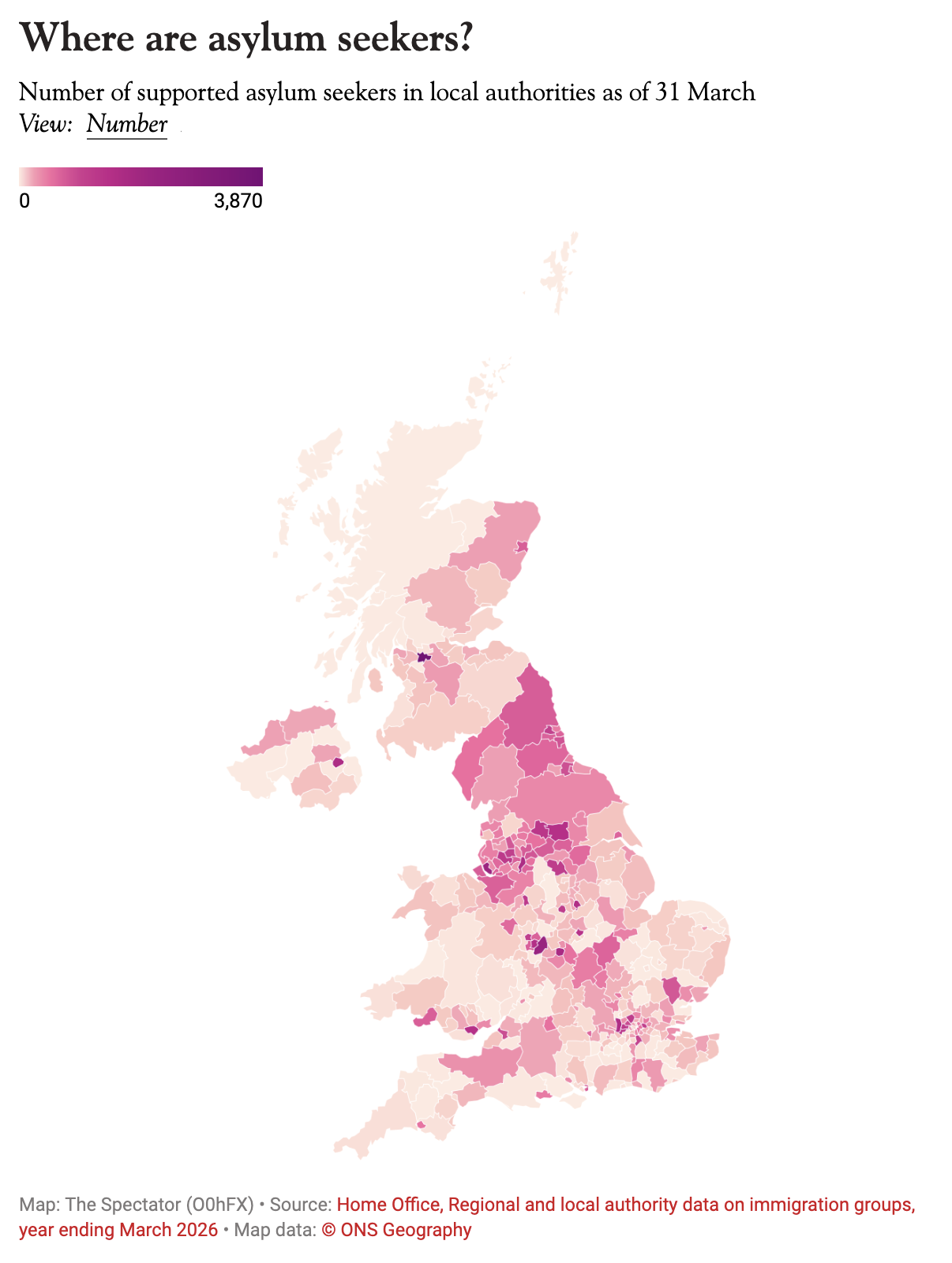
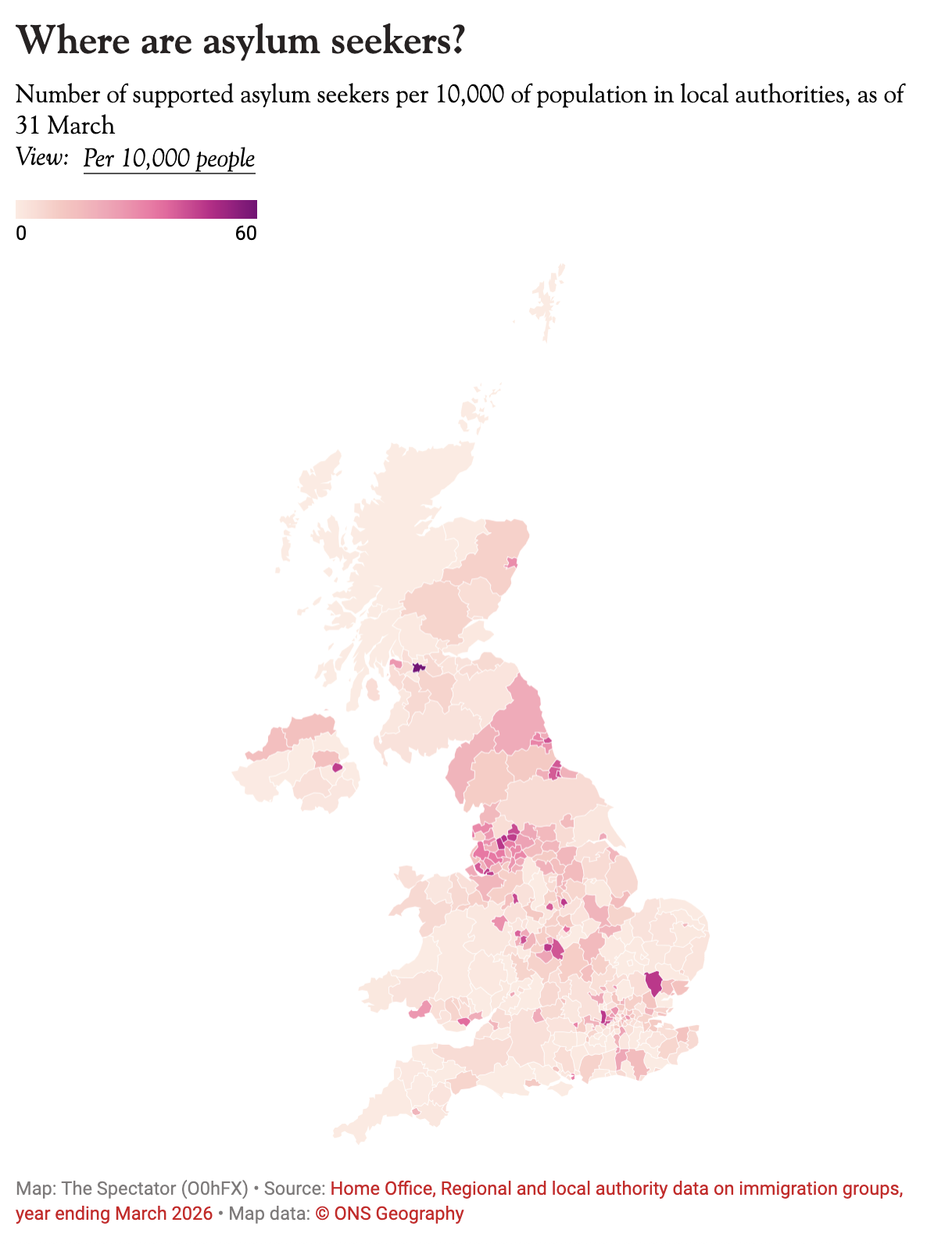
More deprived areas tend to have more supported asylum seekers. The most deprived tenth of local authorities have, on average, 30 asylum seekers per 10,000 residents, the least deprived tenth fewer than four.
Of course, there is variation in how well-off people are within councils. Those which tend to be more uniformly deprived have on average 25 asylum seekers per 10,000 residents and those that are more uniformly well-off 5.5. Rural areas, which tend to be better-off, host fewer asylum seekers compared with predominantly urban areas.
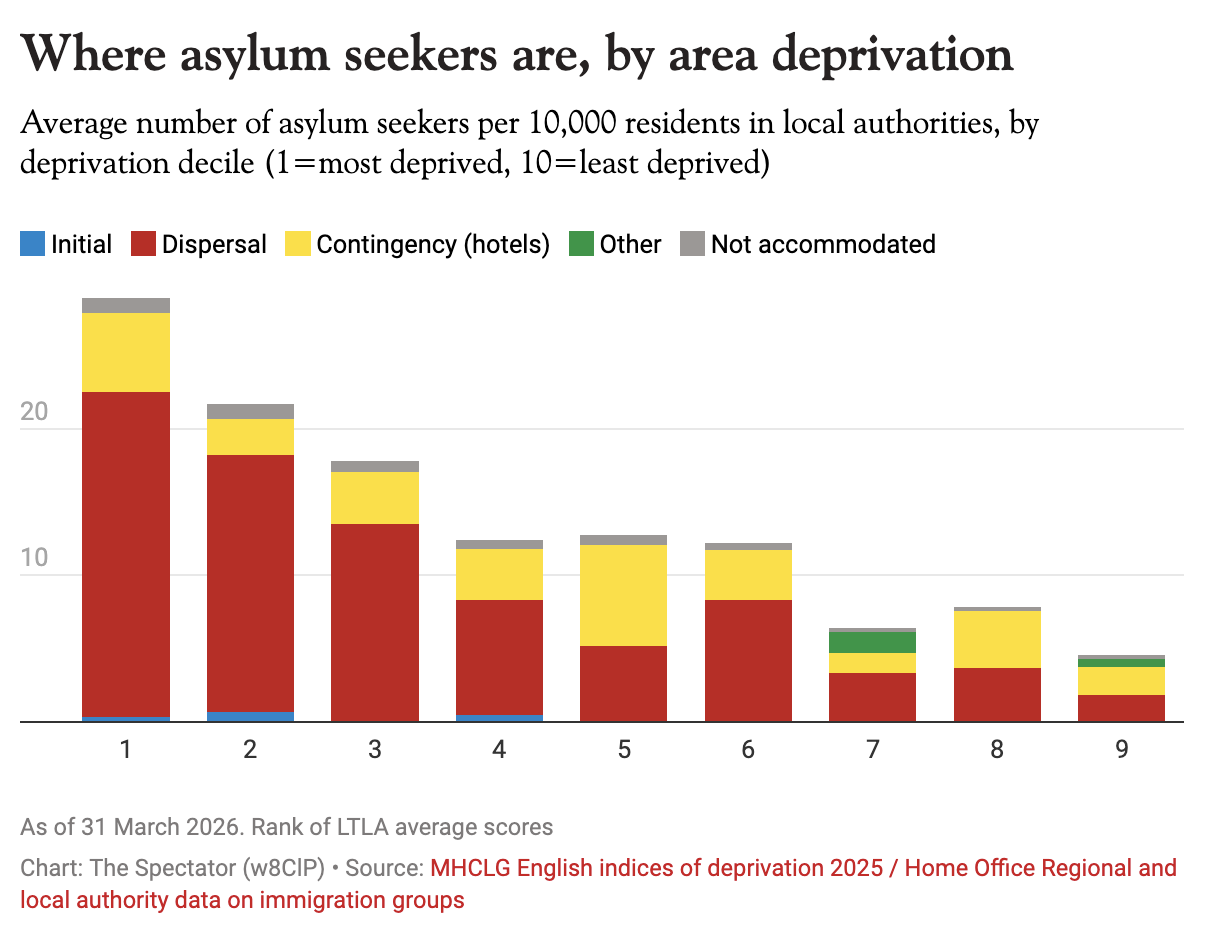
Not all asylum accommodation is alike. ‘Dispersal’ accommodation – usually rooms in houses or flats and taken from the country’s housing stock – is heavily concentrated in more deprived areas where homes are available and cheaper.
‘Contingency’ accommodation – emergency space procured by the government so it can meet the statutory duty to house asylum seekers – which includes the infamous asylum hotels, is more evenly spread across more and less deprived areas. Some affluent places – Windsor and Maidenhead, Wokingham and Mid Sussex – have significant numbers of asylum seekers in this type of shelter.
Labour has promised to close asylum hotels and the number in use has fallen from 400 in 2023 to under 160 today, with closures gleefully announced by the Home Office.
Richer rural areas frequently have poorer access to the services – schools, doctors, dentists – the government provides asylum seekers with and helps them access. And without an excess of homes to place asylum seekers in, the shift is to large military sites – such as the former RAF Wethersfield at Braintree in Essex, the Crowborough training camp in Wealden, and Piddington. Cherwell, Piddington’s local council, currently houses 80 asylum seekers. Adding 1,250 would mean it was home to 78 asylum seekers for every 10,000 residents, the highest rate in the country. (At the end of March, the council with the highest rate was Hyndburn, with 48.) These sites are in richer areas – but their small number means it won’t be all parts of the country playing their part.