Depending on which day it is, the ongoing peace talks between the United States and Iran are either a few days away from being finalized or close to hitting another roadblock. The status of the negotiations fluctuates about as much as Donald Trump’s mood swings. For those on the outside looking in, the whole storyline can be discombobulating. It doesn’t help that US and Iran are still taking pop-shots at each other. Early on Thursday morning, Tehran attacked a US base in response to a fresh round of US strikes on an Iranian base in Bandar Abbas.
Fortunately, the shooting is not killing the diplomacy – at least not yet. There does appear to be a general framework on the table. According to reports, Iran and the US are zeroing in on a deal that would pause the war for another 30 to 60 days, reopen the Strait of Hormuz, lift the US blockade of Iranian ports and bring both countries into more detailed negotiations on Tehran’s nuclear program. But even this simple framework is more complicated than meets the eye. Washington and Tehran don’t necessarily have a common definition of what it means to end the war and what any truce should cover.
Iran’s position is that Lebanon must be included in any peace settlement signed with the Americans. The small Arab state hugging the Mediterranean has seen continuous warfare between Israel and Hezbollah since the Hamas-led October 7, 2023 terrorist attacks on Israel. Despite multiple ceasefires, including one that was extended by another 45 days during Israeli-Lebanese talks in Washington on May 15, the shooting, bombing and drone strikes have persisted. Southern Lebanon, where the bulk of Hezbollah’s support base resides, is virtually cut-off from the rest of the country, with nearly ten kilometers already occupied by the Israel Defense Forces (IDF). That zone is moving further north every day. Israeli Prime Minister Benjamin Netanyahu has ordered an acceleration of the military campaign against Hezbollah. About 150 Hezbollah targets were struck by Israeli aircraft in the preceding 24 hours, and Israeli forces are issuing more additional evacuation orders, including in the major city of Tyre.
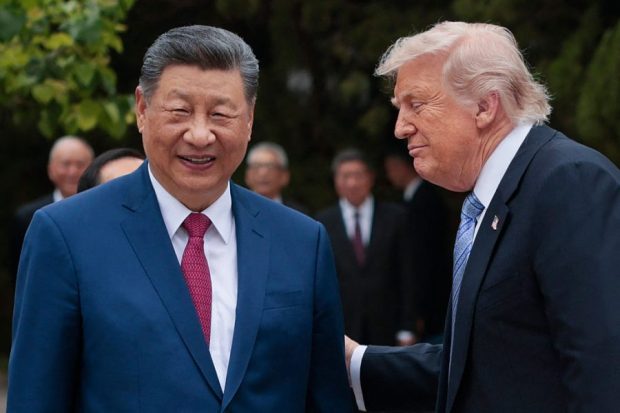
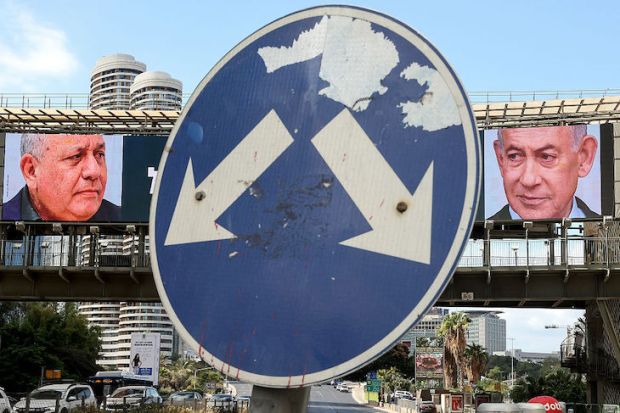
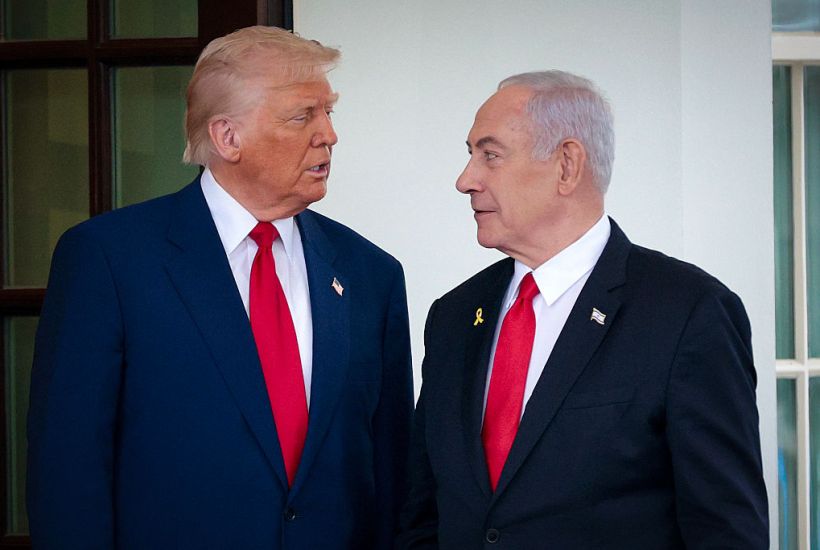
How plugged in the Trump administration is to the Lebanon situation is hard to say. But if the Iranians hold firm on their demand that a deal to end the war with Washington must include the Lebanon front, Trump will have some tough decisions to make. First, does he concede the issue to Tehran? And if he does, how hard is Trump prepared to be with Netanyahu, whose regional agenda has at times clashed with Trump’s own? Depending on the answers to these questions, Trump and Netanyahu could either be partners in the diplomatic process or each other’s worst nightmares.
On the face of it, Netanyahu and Trump share the same goals in Lebanon. Both want Hezbollah to be demilitarized and demobilized. Both want Israel and Lebanon to sign a formal peace treaty and normalize relations. And both support the theory of a stronger Lebanese government consolidating its control over the state and ensuring the Lebanese army holds a monopoly on violence.
The differences lie in how to get to that end state. While making a point to highlight Hezbollah’s nefarious influence and attacks on Israel’s northern communities as well as Israel’s right to defend itself, the Trump administration would prefer a staged diplomatic process to play out. Trump’s strategy isn’t all that removed from former president Joe Biden’s: arrive at a verified arrangement in which Hezbollah trades weapons in exchange for an Israeli troop withdrawal from Lebanese soil. How to actually turn theory into practice, however, has bogged down the negotiations ever since the first Israel-Hezbollah ceasefire was agreed to in November 2024. Hezbollah refuses to disarm as long as Israel occupies Lebanese land and continues dropping bombs; Israel refuses to withdraw until Hezbollah gives up its weapons to the Lebanese state. It’s the old chicken-and-egg problem.
Although Netanyahu is flattering Trump by participating in US-facilitated diplomacy, it’s abundantly obvious to anyone with a pulse that he believes the Americans are naive. Hezbollah, the Israeli government contends, will never willingly disarm itself. Ironically, Hezbollah itself has confirmed this in its own statements. “There is no such thing as exclusivity of weapons or disarming Hezbollah,” the group’s secretary general, Naim Qassem, said this week. “Disarmament is extermination, and this is something we cannot accept.” This is music to Netanyahu’s ears because it provides him with a clear-cut justification to keep pressing the war regardless of how the diplomacy in Washington shakes out (Israeli and Lebanese officials are preparing to sit down again today).
To date, the White House has afforded Israel with the room to respond to Hezbollah drone and rocket attacks and conduct surgical strikes on the group’s leadership. The Israelis have taken this permission to the extreme by doubling down on a conflict that re-kindled in early March, a few days after Israel assassinated Iranian Supreme Leader Ayatollah Ali Khamenei on the first day of the joint US-Israel war on Iran. Based on Israel’s ferocious air campaign over the last several days and the movement of Israeli ground troops past its previously-established line of control, the chances of Netanyahu suddenly ordering a halt is about as likely as Iran ordering its Lebanese proxy to wave the white-flag.
The only person who can strong-arm Netanyahu into ending the war in Lebanon is Donald Trump. Depending on what the final peace framework with Tehran consists of, that day may soon come.