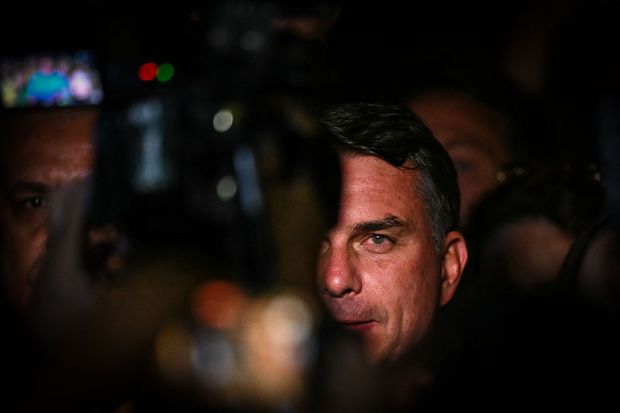
Abelardo de la Espriella was never going to be a typical Colombian presidential candidate. Nicknamed ‘The Tiger,’ the defence lawyer who has represented a string of controversial clients is also a businessman, who owns a number of clothing and alcohol brands, a Miami restaurant and even music albums.
De la Espriella campaigned on a radical and robust security agenda, vowing to rid Colombia of its violent and criminal woes.
“I will wipe out narco-terrorism..I will unleash the wrath of God upon them as never seen before,” de la Espriella said
“I will wipe out narco-terrorism, those I have sentenced and declared military targets, like cockroaches, like rats. I will unleash the wrath of God upon them as never seen before,” de la Espriella said during his campaign.
He used AI, algorithms, memes and influencers to help deliver his messages to voters. And it worked. Now de la Espriella – who has never held public office – has pulled off an extraordinary feat. The political outsider has been elected Colombia’s next president, and arguably the country’s most radical right-wing one in decades.
Less than one percentage point separated him from his left-wing rival, Iván Cepeda, a senator and close ally of incumbent president Gustavo Petro. De la Espriella won 49.65 per cent of the vote that saw a record turnout, while Cepeda finished close behind on 48.71 per cent.
The result, however, also lays bare a deeply divided electorate, split over how to tackle the country’s problems, chief among them security.
The two men represented markedly different visions for Colombia. Cepeda, a human rights lawyer and peace advocate, was the continuity candidate for Colombia’s first left-wing government. A bookish figure, often dressed in spectacles and a Mao-style shirt, he was the favourite only a few weeks ago; a man whom supporters hoped could carry on a progressive agenda.
But ultimately, it was the Trump-admiring, hardline security candidate who triumphed. The 47-year-old has vowed to take back territory from armed groups, hike defence spending and build 10 Bukele-style megaprisons. At the same time, he wants rollback reforms, drastically reducing the size of the state, and has vowed to scrap institutions including the Ministry of Equality.
After his win, he adopted a more conciliatory tone compared to some of his campaign rhetoric and insults directed at the other side.
“I’m going to govern for all Colombians. For those who voted for me, and for those who chose the other candidate,” he said.
But with no precedent for his political capabilities, it remains unclear what he’ll be like as the next leader.
De la Espriella entered the race as a political outsider and revelled in it. He brandished his anti-establishment persona, promising a rupture with traditional politics – a sharp break from the parties that have governed Colombia for decades, even while receiving backing from parts of the establishment right.
The question: “Why do you want to vote for de la Espriella?” triggered a common response. “He’s not a politician,” people answered, weary of corruption, a stagnant economy and perpetual violence where some generations have never known their country at peace.
It was his ability to communicate his proposals through a highly polished campaign and a sophisticated social media operation that helped him reach voters frustrated with the left-wing government of Gustavo Petro – Colombia’s first left-wing president.
When Petro, once a member of the now-defunct M-19 guerrilla group, came to power, he vowed to bring “Total Peace” to Colombia by negotiating with dissident FARC factions left over from the 2016 peace agreement, as well as other armed groups and criminal organisations operating across the country.
While the policy was viewed by many as ambitious and historically necessary, it was also deeply controversial. Dialogue with armed groups responsible for decades of violence became a red line for a significant part of the electorate, particularly when it failed to deliver visible or immediate results.
“A failure” is how critics describe Total Peace. Armed group membership has grown during Petro’s tenure, criminal economies have expanded and several organisations have strengthened their territorial control. Many analysts argue this trend is the result of multiple factors and predates Petro.
But the perception that his government had lost control of security was enough for de la Espriella and his campaign to seize upon – and it worked. Those who voted for his “iron fist” security agenda believe he can wipe out violence, eradicate cocaine trafficking and bring an end to a conflict that has lasted more than six decades.
But his policy pledges and hardline rhetoric alone do not explain his victory. His rallies were more like spectacles than political events. Animated AI-generated tigers, a reference to his nickname, a catchy theme tune and his signature military-style salute, along with the slogan: “Stand strong for the homeland” became staples.
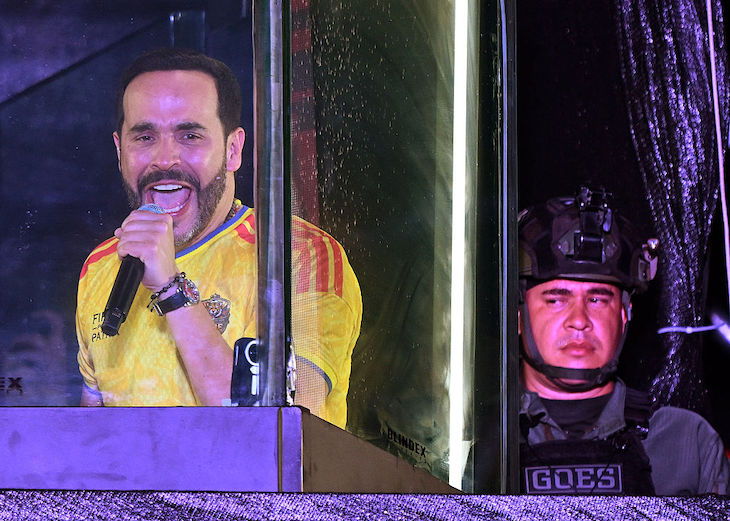
A shield of bulletproof glass separated him from his crowds of supporters, a security measure reflecting both real concerns – he has received death threats – and Colombia’s violent political climate. A right-wing presidential candidate was also assassinated at a rally just last year.
The campaign was also shaped heavily in the digital space, where much of de la Espriella’s support was built and amplified.
De la Espriella was not just a presidential candidate; he became a brand
Social media platforms abounded with messages, symbols and short clips that circulated rapidly, helped by interviews with influencers and celebrities, and a stream of short-form videos designed for TikTok and Instagram.
On the morning of the first round, and again during Sunday’s runoff, he posted an image of himself and his family at the kitchen table, alongside a box of Frosties – a deliberate nod to his “Tiger” branding.
De la Espriella was not just a presidential candidate; he became a brand. But elements of that brand were adopted from other leaders.
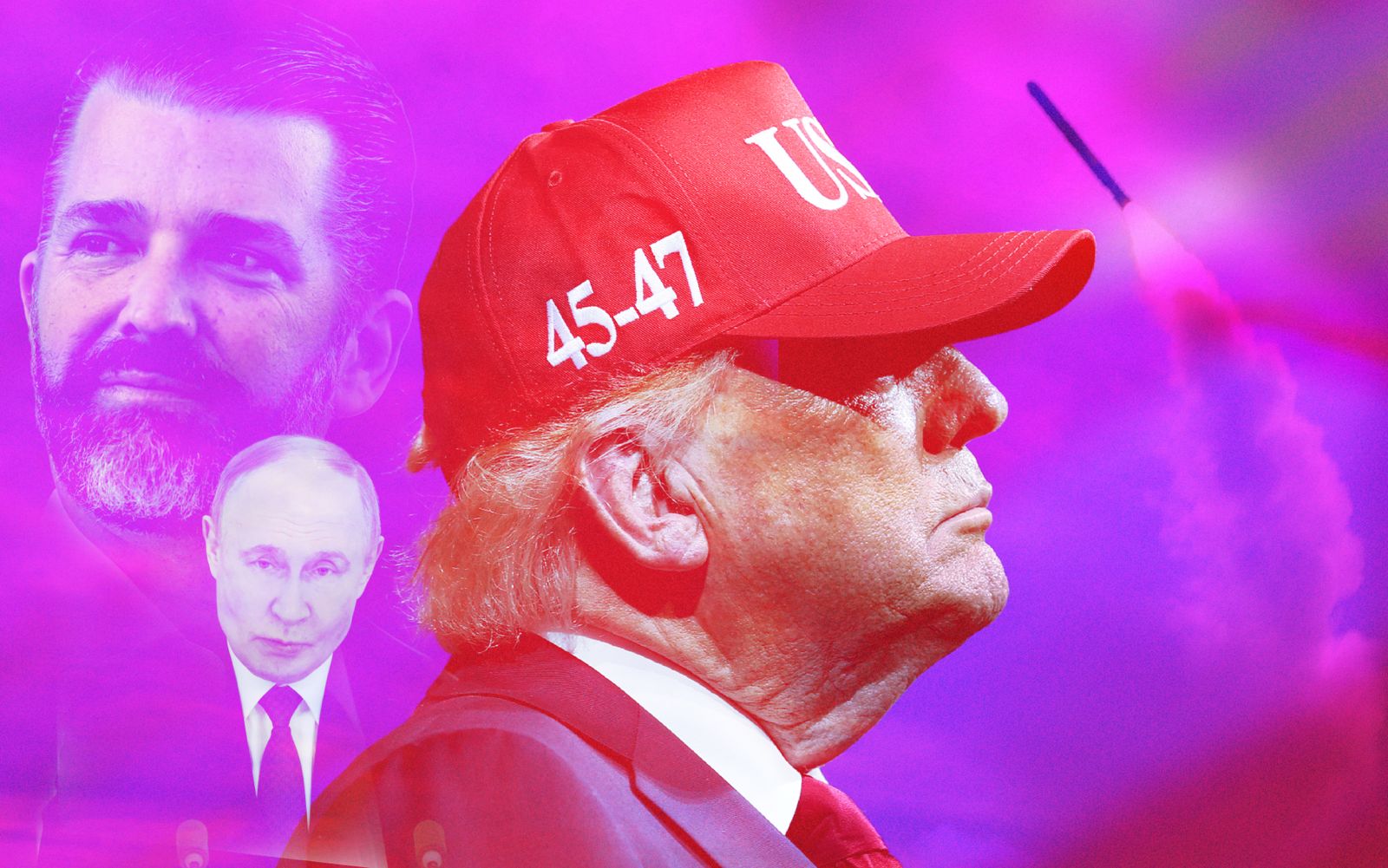
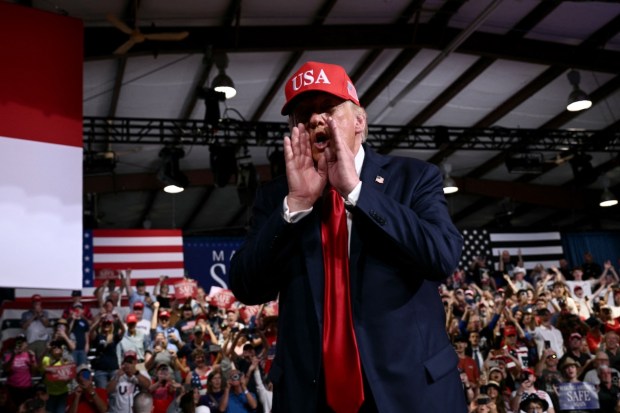
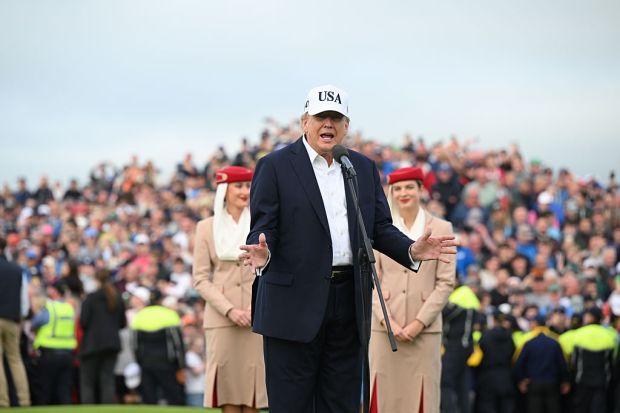
His confrontational, bombastic style – often accusing left-wing opponents of being guerrillas or communists – follows a familiar playbook associated with allies such as Argentina’s Javier Milei and US president Donald Trump. Both Milei and Trump congratulated him on his victory, and de la Espriella has long expressed admiration for Milei’s “chainsaw” approach to cutting public spending and shrinking the state, while also echoing Trump’s combative political style.
The alignment is likely to shape relations with Washington, which have historically been close, particularly on security and drug policy. Yet relations had frayed with clashes between Petro and Trump on issues from the Middle East, to Venezuela and cocaine.
De la Espriella is expected to seek a swift reset and strengthening of ties with the United States – but that may not translate into an easy ride while the US has other global priorities to contend with.
What’s more, congressional and fiscal constraints mean turning campaign promises into policy will not be straightforward.
There are just over six weeks until de la Espriella takes office, and until Colombia enters a new and untested chapter of a new kind of right-wing governance – one whose direction remains uncertain.