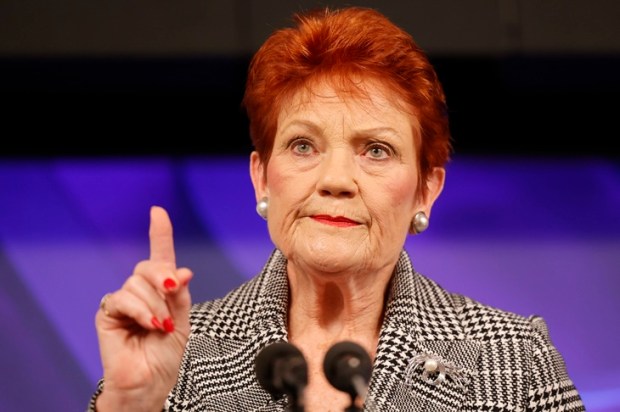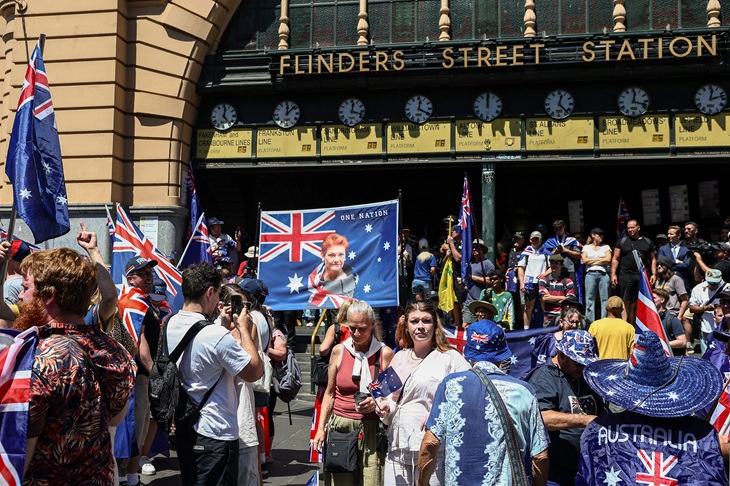
‘We cannot be a multicultural society. We are a multiracial society, but we must be monocultural. Australians must live under the one cultural umbrella,’ said Pauline Hanson, in her fiery speech to the National Press Club on June 17, 2026.
The initial response from the Coalition was flat-footed.
Opposition Leader Angus Taylor responded the following day saying, ‘I judge people on their character and their conduct… If she wants to judge people based on the colour of their skin or their race, One Nation needs to explain that.’ The problem was that he misrepresented Hanson, who explicitly affirmed a multiracial society.
Liberal MP Garth Hamilton strongly denounced monoculturalism. ‘I celebrate the cultural divide of my Irish Catholic side as much as my Scottish Protestant side. I will not deny either.’ Pauline Hanson neither said nor implied anything about Irish Catholics or Scottish Protestants.
‘Monoculturalism has nothing to do with unity of purpose,’ Hamilton added. Is this claim an oxymoron? It depends on the meaning of monoculture.
Paradoxically, globalisation is creating its own monoculture: a global monoculture.
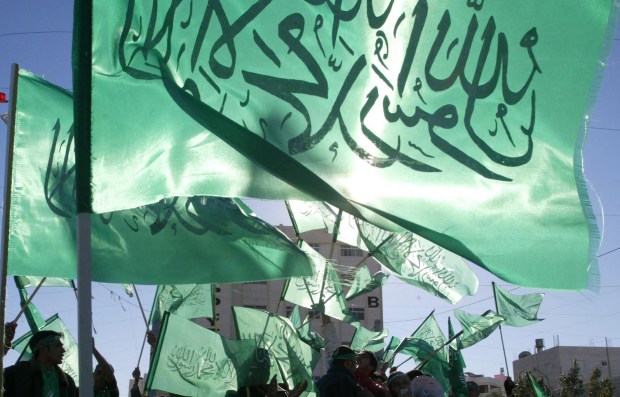
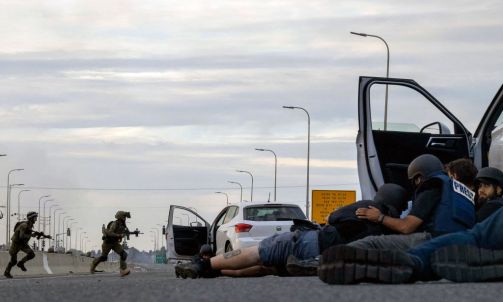
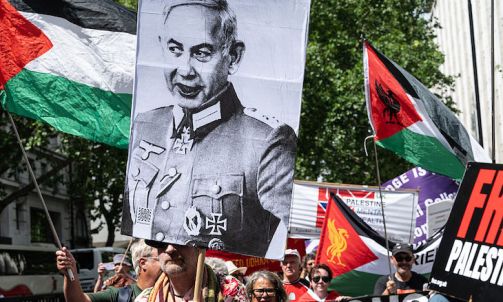
With increasing international trade, travel and social media, national cultural differences are diminishing. McDonald’s fast-food outlets now operate in over 100 countries. Uber serves travellers in more than 15,000 cities across six continents. Islamist antisemitism has become a transnational phenomenon, with jihadist attacks in dozens of countries across the globe.
Cultural critic Kyle Chayka has opined that culture today is becoming too uniform, too flattened, too much the same everywhere you look.
The irony is that the more Australia pursues multiculturalism, the more it becomes part of a global monoculture.
On the other hand, a national monoculture can help sustain a nation’s identity and unity of purpose.
Consider Japan. Centuries of self-imposed isolation and strict border controls have fostered a clear national identity and unity of purpose. Noteworthily, Japan also respects local customs, including those of multiple indigenous ethnic communities.
This unity of purpose has enabled Japan to become world’s fourth-largest economy, with high living standards, incredibly low crime rates, and world-leading life expectancies. An enviable record.
Part of the confusion on the differences between monoculture and multiculture is the word ‘culture’. Some commentators have taken culture to mean common experiences like football, cricket and beer, or creative expression like food, art, and dance. This meaning is epitomised in the 1957 bestselling Australian comic novel They’re a Weird Mob by John O’Grady under the pen name Nino Culotta.
This ‘spaghetti and polka’ view of culture was criticised by cultural historian Frank Bongiorno in a 2016 ABC panel discussion as lacking in substance. In the same panel discussion, then Race Discrimination Commissioner Dr Tim Soutphommasane said, ‘Everyone has a right to express their cultural identity and heritage but that’s accompanied by civic responsibilities. A commitment to that parliamentary democracy. Acceptance of the rule of law. Equality of the sexes.’
This understanding is captured well in the Australian Citizenship Pledge:
From this time forward, (under God,)
I pledge my loyalty to Australia and its people,
whose democratic beliefs I share,
whose rights and liberties I respect, and
whose laws I will uphold and obey.
Opposition Leader Angus Taylor clarified his position on Tuesday, June 23, saying, ‘We should have a common set of values we all agree on. We need every Australian to believe in our system of law, to believe in our basic freedoms, to believe in our parliamentary democracy, and people have been coming to this country, in recent times, who do not believe in those things, and that should not happen.’
We do not need the polarising labels of mono- or multi- culture to chart our future. By shifting the national debate away from these divisive terms and anchoring it firmly in the Australian Citizenship Pledge, we can build a more cohesive society.
Australia needs citizens who love our country and who will support and defend its interests with devotion. That kind of person, as the Macquarie Dictionary reminds us, is called a patriot.
Australia does not need a cultural straitjacket or fractured tribalism. It needs a shared, enduring civic culture of patriotism.
Dr David Phillips is a former research scientist and founder of FamilyVoice Australia