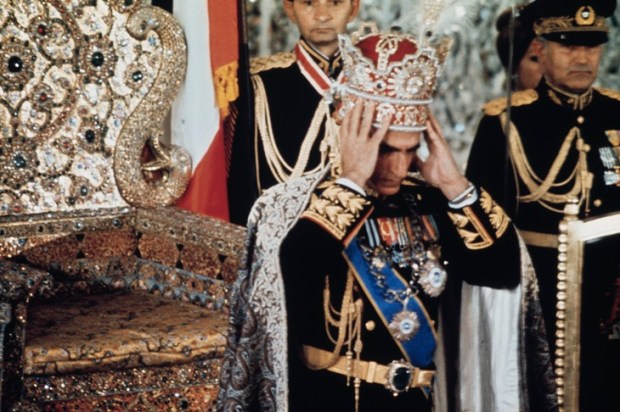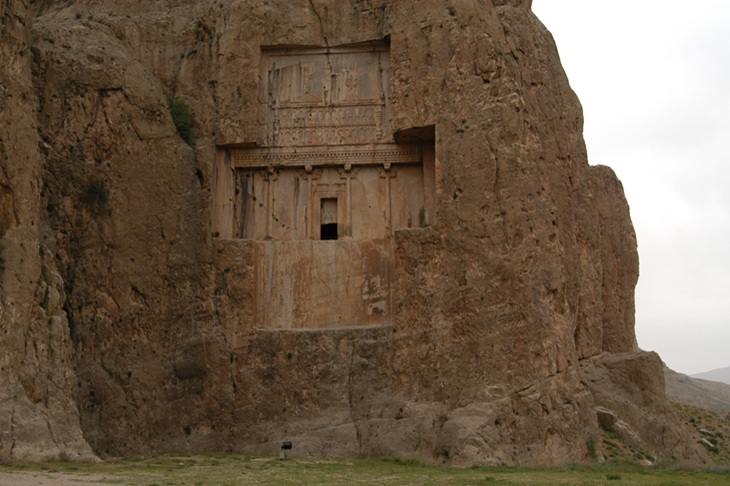
The deep civilisation of Iran was built on ethical traditions and the ancient concept of kingship. It was never limited to one geography. Rather, it became a cultural legacy whose symbols and ideas crossed the borders of Iran for centuries and remained visible in many kingdoms and civilisations around the world.
Throughout history, Iran was repeatedly attacked by different powers and invading peoples, from the Romans to the Mongols and the Muslim Arabs. Yet what kept Iran alive was not only military strength, but the depth of Iranian culture and the tradition of kingship itself; a culture built on ethics, order, justice, royal glory, and historical identity.
In many ways, what is today called ‘Iranian culture’ is rooted in this ancient tradition of Iranian kingship. It was this cultural foundation that allowed the people of Iran to endure torture, massacres, invasions, destruction, and centuries of hardship without losing their identity.
One of the most important characteristics of this civilisation was that many invading peoples, after entering Iran, gradually became influenced by Iranian culture instead of completely destroying it. They adopted Iranian symbols, traditions, political ideas, and cultural elements, and carried them into their own systems of rule and society.
For this reason, traces of ancient Iranian symbols and concepts of kingship can still be found in some royal traditions and political symbols across the world.
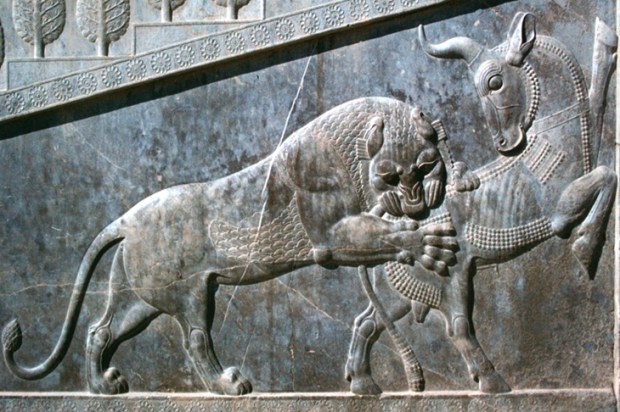
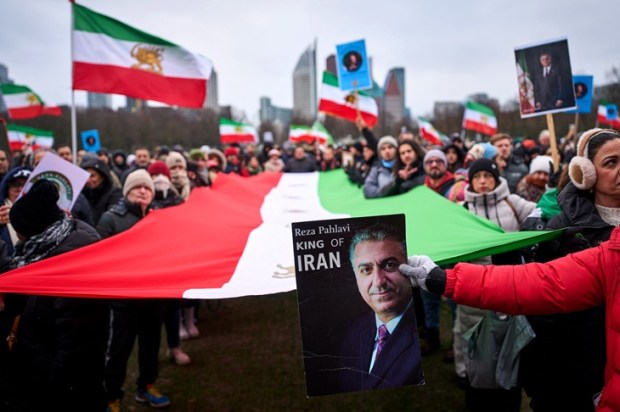
Among the royal symbols of Britain, for example, one can see echoes of some of the oldest ideas of Eastern kingship. One of the clearest examples is the lion. For thousands of years in Iranian civilisation, the lion symbolised power, endurance, and royal glory. From the reliefs of the Achaemenid and Sassanian empires to the Lion and Sun emblem on Iranian flags, the lion remained an important part of Iran’s historical memory. This is especially interesting because England itself never had native lions geographically or naturally, yet the lion became one of the main royal symbols of the British monarchy.
Another symbol that some researchers find notable is the square-shaped emblem with a crossed pattern seen in certain royal decorations and crown jewels in Britain. Some historians and cultural researchers associate this form with ancient Iranian royal banners, especially the legendary Derafsh (flag) Kaviani, which in Iranian tradition represented kingship, resistance, and national identity.
Another famous example is the historic Koh-i-Noor Diamond, one of the world’s most well-known and controversial royal jewels. Its name comes from Persian and means ‘Mountain of Light’.
The diamond was likely mined in India around 800 years ago and passed through several empires and dynasties. It eventually came into the possession of Nader Shah Afshar after his conquest of Delhi in 1739. According to historical accounts, Nader Shah himself gave the diamond the name ‘Koh-i-Noor (Mountain of light)’.
After Nader Shah’s death, the diamond left Iran and later passed through Afghanistan and Punjab before being transferred to Britain under the Treaty of Lahore in 1849 after the British East India Company took control of Punjab.
Today, the Koh-i-Noor remains part of the British Crown Jewels and is displayed in the Tower of London. However, it was not used in the coronation of King Charles III in 2023 because of ongoing historical and political sensitivities surrounding ownership claims by India, Iran, Afghanistan, and Pakistan.
Another important symbol of ancient Iran was the ‘Shahbaz’, or royal eagle, which in Achaemenid tradition, symbolised authority, protection, royal glory, and imperial power. In reconstructions and studies of Achaemenid symbolism, the Shahbaz is often shown with open wings as a sign of imperial authority.
In ancient Iranian political culture, birds of prey such as falcons and eagles symbolised not only war, but also wisdom, vision, order, and the connection between heaven and earth. For this reason, the Shahbaz held an important place in Iranian royal art and symbolism.
The image of the spread-winged eagle later appeared in many civilisations and empires, from Ancient Rome to European monarchies and eventually the United States. The eagle on the American national emblem shares visual similarities with some depictions of the Achaemenid Shahbaz in terms of symmetry, open wings, and representation of authority.
At the same time, most mainstream historians do not believe the American eagle was directly copied from Achaemenid Persia. They generally interpret it as being influenced by Roman traditions, European republican symbolism, and the bald eagle native to North America. Nevertheless, the symbolic similarities remain interesting to many cultural researchers and historians.
Some researchers have also pointed to similarities between ancient Eastern symbols and symbols found among Native American cultures. One example is the swastika or solar wheel symbol, which appears in ancient Iranian carvings as well as in artefacts associated with some Indigenous peoples of the Americas.
In ancient Iranian traditions, this symbol represented cosmic movement, the sun, and the four natural elements: water, wind, earth, and fire. Thousands of years later, the symbol was appropriated by Nazi Germany and Adolf Hitler, transforming its meaning into one associated with violence and fear, despite its much older spiritual and peaceful origins.
Some theories have gone further and suggested the possibility of ancient contact between Eastern civilisations and the American continent before the arrival of Christopher Columbus. However, there is currently no universally accepted academic evidence proving that ancient Iranians discovered America before Columbus.
What is undeniable, however, is the important role of Iranian civilisation in the development of geography, astronomy, kingship, symbolism, and systems of governance throughout world history.
Ancient Iran was one of the earliest civilisations to create organised royal symbols, ethical concepts of governance, and durable cultural structures. Many of these symbols and ideas, directly or indirectly, remained in the political and visual memory of later civilisations.
Regardless of whether these similarities are viewed as direct historical influence or as parallel developments among civilisations, one reality remains clear: Iran was one of the oldest centres of kingship, political symbolism, and civilisation culture in human history. Much of what survives today as Iranian identity is deeply connected to this enduring tradition of Iranian kingship.
By Leila Naseri: Author | Composer | Social Cultural Analyst