In recent times, the story in British politics has been a sad tale not of voting for the party that best represents the people, but of the people punishing a party that failed them.
The Tories lost to Labour not because Labour provided a better alternative, but because they didn’t uphold their mandate – lying for a decade about the state of the economy, healthcare and, above all else, migration.
The story in the lead up to the council elections of 2026 was that Labour would be smashed by Reform because Labour has been worse than the Tories and the protest vote clearly hasn’t worked to get better outcomes for Britons.
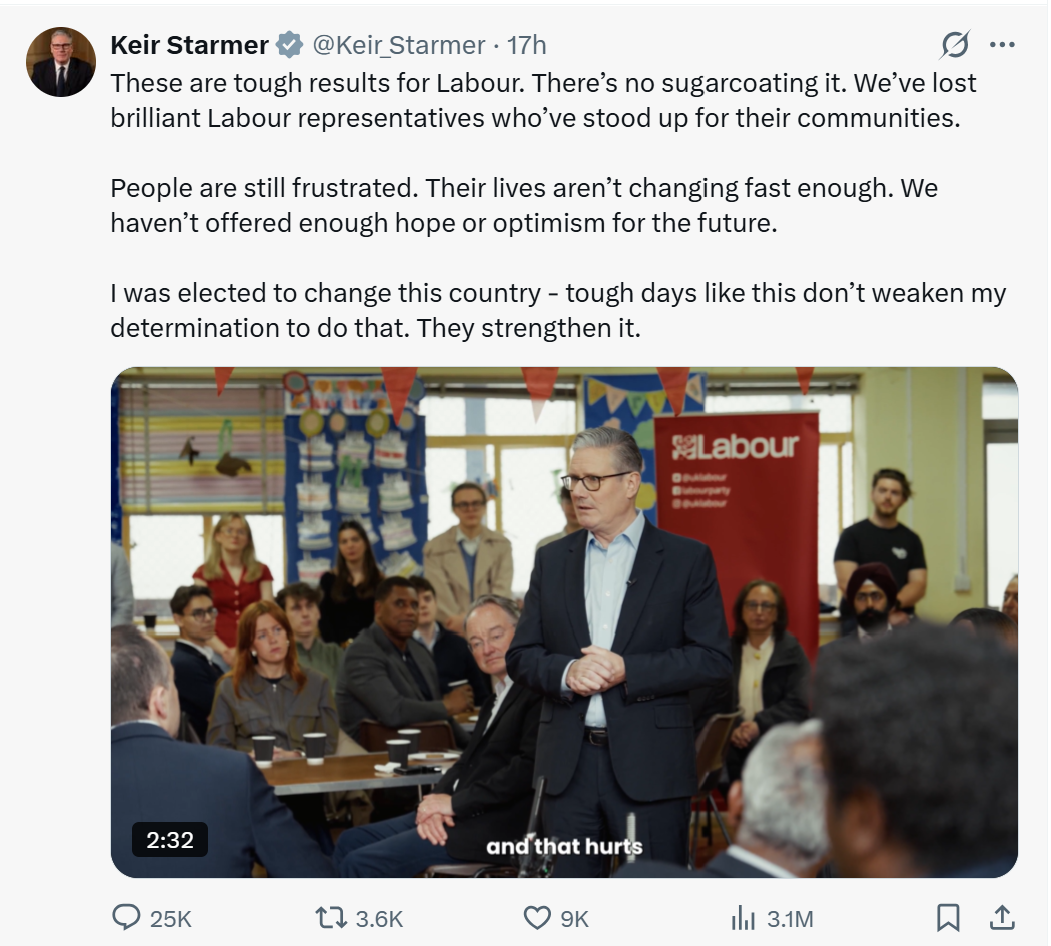
Just looking at Keir Starmer’s social media post after these elections you can tell why the public is treating the party he leads like a smallpox-infected blanket. How can someone with such authority sound so pusillanimous? Ratioed much?
This story, of the public punishing parties that lie to them, has held very true, with Labour losing 1,395 seats, the Tories losing 555, and Reform gaining 1,441, with the Liberal Democrats, Greens, and Independents making inroads as well.

A resounding victory for Reform, a disaster for Labour and the continuation of the downfall of the Tories. It would appear Reform is in pole position to take the next UK general election in August 2029.
However, a different political party has performed, in a sense, even better than Reform. Conspicuously left out of the graphic on the BBC website –that party is Restore UK.
Although they only won 10 seats, they only contested 10 seats in the first place. It may be a blip in the ocean compared to Reform, but it paints a bigger picture.
The day before the election, Nigel Farage said he thought that Restore UK wouldn’t even get 1 per cent of the vote and would be forgotten by day’s end.
The result? Nigel Farage was dead wrong.
Restore won every single seat they contested, with a huge margin in each. This was especially telling in a local election where the turnout was significantly higher than usual. The total number of votes cast in the Norfolk County election this year was 325,335, a huge increase compared to the 237,000 in 2021.
The Britons are not happy with their current representation, and they are telling the establishment in a big way.
Now you might say Reform won 1,443 seats, while Restore only won 10. Does this really matter?
Let me tell you why it does.
Restore is the fastest-growing party in the UK. Only months after launching it has well over 100,00 members, continuing to grow its membership at a rapid pace and swiftly becoming one of Britain’s largest parties.
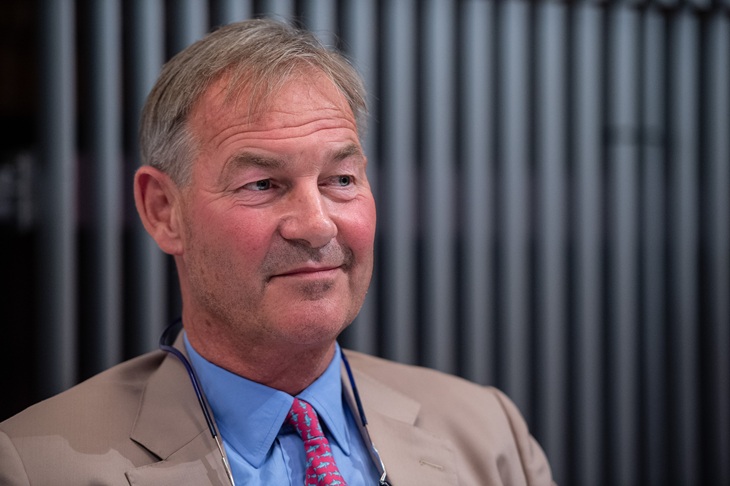
Restore was formed only in the last few months after their leader, Rupert Lowe, was kicked out of Reform. They made a very clear decision not to contest the wider election and to run local candidates in local areas.
Vetting candidates is hard at the best of times – just ask the Victorian Liberal Party about the pre-selection for the Upper House in Western Metro. But it’s even harder for a party in its infancy.
In eight of the seats Reform came second to Restore, with Restore getting double or triple the votes in each seat. In fact, by winning these seats Restore prevented Reform from taking majority control of the county Council in Greater Yarmouth.
Why is this result a) important and b) not a surprise to those who have been paying attention over the last few months?
While Reform have made claims about curbing immigration and being Britain first, the party has accepted candidates from both Labour and the Tories, who jumped from a sinking ship, people who are part of the very establishment that has caused the issues in the first place.
While Reform and the establishment might have wished for Restore to overstretch themselves, Restore made the strategic choice to vet for candidates that really believe what the party stands for and who will be local champions for change.
The establishment wished to kill Restore in the crib. Instead of biting off more than they could chew, Restore has taken a huge victory. They have proven they can win seats. They have proven they can beat the major pirates. They have proven they can beat Reform. The membership is growing at breakneck speed.
Only time, and their performance in Parliament, will tell whether this will catapult Restore into the mainstream ahead of the next election.
But the bigger question isn’t whether Reform performed better than Restore. The bigger question is whether we are witnessing the end of two-party politics in the UK and what it might mean for the West.
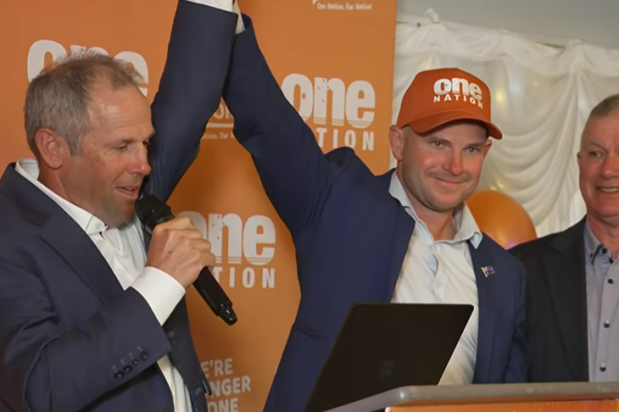
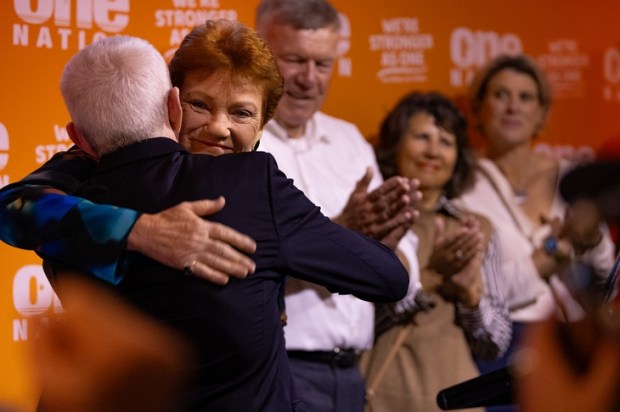
Here in Australia, the Farrer by-election is a similar test for the two major parties. One Nation, a party with similar values to Restore, has had success in the South Australian election, winning multiple upper and lower house seats. It received a significant amount of first preference votes in the Nepean by-election in Victoria this past week. The Farrer by-election is going to be just the beginning if the centre right parties of Australian politics can’t get their act together.