‘Truth is on the march, and nothing shall stop it.’ – Émile Zola
In January 1898, Émile Zola published his famous open letter J’Accuse…!, condemning what he believed was a grotesque miscarriage of justice in the Dreyfus Affair. The French army had falsely accused Captain Alfred Dreyfus of treason, while the real perpetrators remained shielded by institutions more concerned with preserving their authority than confronting the truth.
Zola’s charge was simple: when institutions abandon the pursuit of justice, they transform the law itself into an instrument of injustice. More than a century later, a disturbing question arises in the aftermath of the October 7 massacre: Where is the tribunal for the perpetrators?
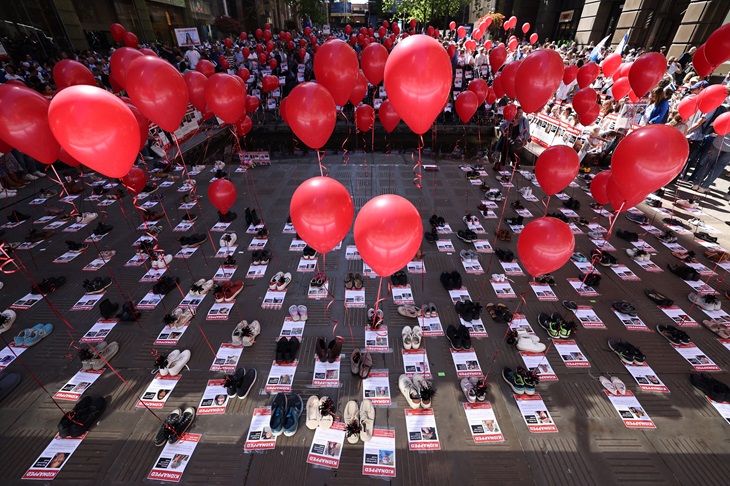
The attacks carried out that day involved acts that fall squarely within the categories long recognised by international law: mass murder of civilians, hostage-taking, sexual violence, and deliberate attacks on non-combatants. Entire families were murdered in their homes. Women were raped and killed. Civilians were abducted and dragged into captivity.
These acts were not spontaneous violence. They were planned, organised, funded, and coordinated by leadership figures who built the infrastructure that made the attacks possible. Yet more than a year after the massacre, there has been no international tribunal convened to prosecute those responsible for planning and orchestrating these crimes. The absence is striking.
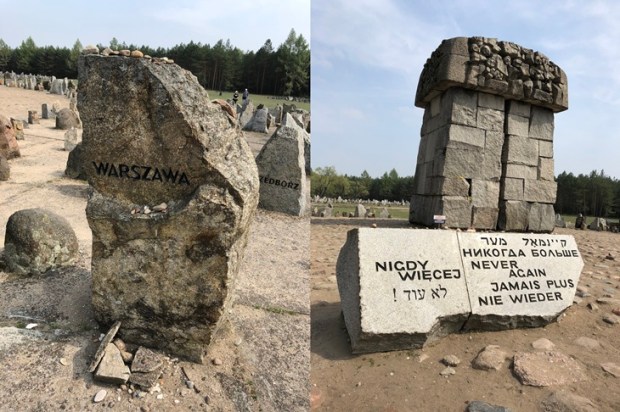
In previous eras, atrocities on such a scale prompted the international community to pursue the individuals responsible. After the second world war, the Nuremberg Trials established the principle that those who plan and direct mass atrocities can be held personally accountable before the law.
Later conflicts followed the same logic. The International Criminal Tribunal for Rwanda pursued those responsible for orchestrating the Rwandan genocide. The International Criminal Tribunal for the former Yugoslavia brought political and military leaders to trial for atrocities committed during the Balkan wars. In each case, the focus fell on the architects of violence.
The principle underlying those tribunals was known as command responsibility: the idea that leaders who organise, enable, or direct atrocities are accountable for the crimes committed under their authority. The modern system designed to enforce that principle is the International Criminal Court.
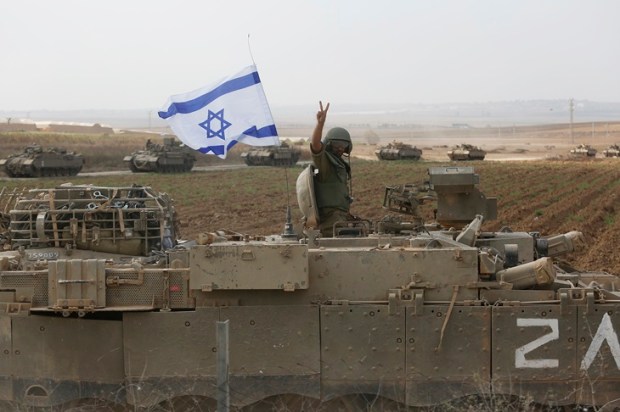
In theory, crimes such as those committed on October 7 fall squarely within the categories the court was created to address. The deliberate targeting of civilians, mass hostage-taking, and organised acts of terror are precisely the kinds of crimes the post-second world war legal order sought to prevent. In practice, however, the legal conversation surrounding the conflict has unfolded in a very different direction. Instead of focusing primarily on the leadership figures who planned and orchestrated the massacre, much of the international legal debate has shifted toward scrutiny of Israel’s military response.
To critics, this shift creates a troubling perception: the perpetrators of a massacre fade into the background while the victims of the attack become the primary subjects of investigation. Whether that perception reflects legal reality or political distortion, it reveals a deeper tension within the international justice system. Law, after all, is not the same as justice.
History has repeatedly shown how legal systems can be manipulated or distorted by political forces. Authoritarian regimes have often used the language of law to justify actions that later generations would recognise as profound injustices. The lesson is not that law is meaningless, but that legal institutions must be judged by whether they actually pursue justice – or merely create the appearance of it.
The international legal order that emerged after the second world war was built on the promise that the horrors of that era would never again go unanswered. The Nuremberg prosecutors famously argued that crimes of such magnitude must not go unpunished, regardless of the power or position of those responsible. That principle remains one of the cornerstones of modern international law, however, principles only retain their legitimacy when they are applied consistently.
When atrocities occur and the architects of those crimes remain beyond the reach of justice, the credibility of the system itself begins to erode. The October 7 massacre raises precisely this question:
If international justice exists to prosecute crimes against humanity, then who is responsible for ensuring accountability for the individuals who planned and directed the attacks?
Where are the indictments?
Where are the tribunals?
Where are the proceedings that would bring the architects of these crimes before a court of law?
These questions are not merely rhetorical. They hang like the Sword of Damocles over the international community, challenging whether the system created after the second world war can still fulfil the purpose for which it was built.
The absence of a clear path toward accountability does not simply represent a legal failure. It risks sending a dangerous message: that atrocities committed by non-state actors may escape the scrutiny that past tribunals applied to governments and military leaders. That message would undermine one of the central achievements of the post-war legal order. Justice delayed, as the old maxim holds, is justice denied.
One cannot help recall the moral clarity of Émile Zola’s famous intervention during the Dreyfus Affair, when he denounced a system that had turned justice upside down – protecting institutions while condemning the innocent.
Today the inversion appears in a different form: the perpetrators of a massacre that shocked the civilised world remain largely beyond the reach of international prosecution, while the legal machinery of global justice seems to move more swiftly when examining the response of the state that was attacked. When the architects of atrocity fade into the background of the legal narrative, the danger is not merely political distortion but something deeper: The erosion of the very principle that justice must first confront the crime itself.
The architects of the Nuremberg system understood that truth and accountability must follow atrocity if the law is to retain moral authority. More than a century ago, Émile Zola warned that when institutions abandon the pursuit of truth, they risk becoming instruments of injustice rather than guardians of justice.
The question today is whether the international system will demonstrate the same commitment to accountability that earlier generations demanded after humanity’s darkest crimes. Or whether the perpetrators of October 7 will remain beyond the reach of the justice that the modern international order once promised.
Aaron J. Shuster is a writer, philosopher and cinematist. His essays on history, politics, and culture have appeared in FrontPage Magazine and The Spectator Australia. He is also a regular contributor to the Middle East Forum.