At a time when Iran’s name has once again become a focus of international attention, the recent remarks by Benjamin Netanyahu, the Prime Minister of Israel, at the United Nations General Assembly regarding the people of Iran and the future of the Islamic Republic, are worth considering.
In his speech on September 24, 2026, Netanyahu described the Islamic Republic as a repressive government and spoke about its treatment of Iranian protesters. He asked those who criticise the Islamic Republic where they were when Iranian protesters were being suppressed, killed, and injured.
He then said: ‘Despite your silence, despite your hypocrisy, it is only a matter of time before something spectacular happens in Iran. The power of the people will prevail over those who are in power.’
He continued by addressing the people of Iran: ‘One day, and perhaps that day may not be far away, the people of Iran will be free.’ Netanyahu also stated that the Islamic Republic would fall because of its lies, corruption, and violence.
The world now knows that the Islamic Republic does not represent the Iranian nation, and the Iranian people are increasingly viewed as separate from this regime.
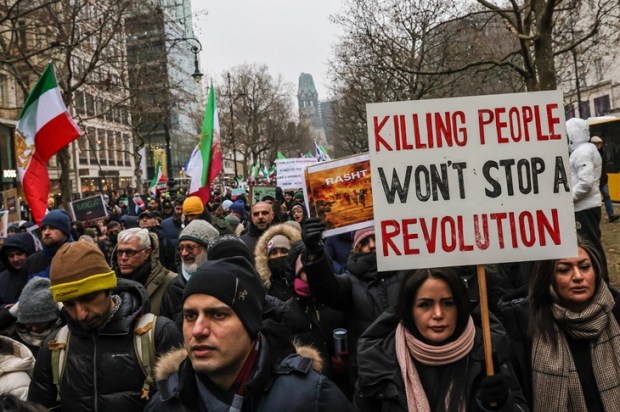
Many Iranians admire Prime Minister Netanyahu and listen to and follow his words very closely. The words of a foreign political leader regarding the future of Iran remind us once again of an important reality: the future of Iran is a matter about which millions of Iranians have concerns, hopes, and aspirations, and for more than 47 years they have been fighting for the freedom of their country.
At the same time, international statements concerning regional security, energy security, and global trade demonstrate that developments in Iran are not merely an internal matter. They are connected to the security and stability of the Middle East and the global economy.
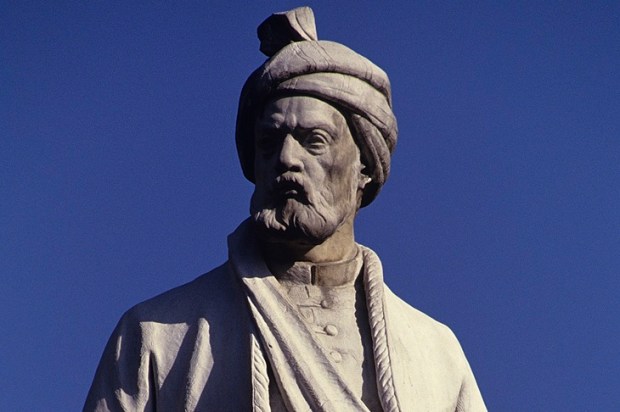
But for me, when I speak about the future of Iran, it is not only about today’s politics. My view of Iran also passes through the history of this ancient land, a history in which Cyrus the Great is one of its most prominent figures.
October 29 is a significant day for many Iranians and people around the world, a day commemorating Cyrus the Great. It is a day when his name and the image of Iran during the Achaemenid era, preserved in the historical memory of Iran and the world, once again receive attention.
Cyrus the Great conquered Babylon in 539 BCE. Afterwards, his policies toward the peoples living within the Babylonian realm included the return of certain exiled groups and the restoration of their sanctuaries. Sources concerning the Jewish people also record that Cyrus allowed the Jews who had been exiled in Babylon to return to Jerusalem, rebuild their temple, and freely follow their religious traditions.
This is particularly significant because it demonstrates that even in the ancient world, a ruler could govern while preserving the traditions and beliefs of different peoples. Of course, modern concepts of human rights and religious freedom should not be applied directly to the ancient world, but Cyrus’s approach to governing different communities is widely recognised as an important feature of his rule in historical sources.
Even Herodotus, the Greek historian, records in Book Three of his Histories that the Persians called Cyrus ‘father’, because they considered him a compassionate ruler who worked for their welfare.
The importance of Cyrus the Great’s reign is not limited to the past. His name evokes an image of a world in which people with different beliefs and traditions could live together in a secure environment.
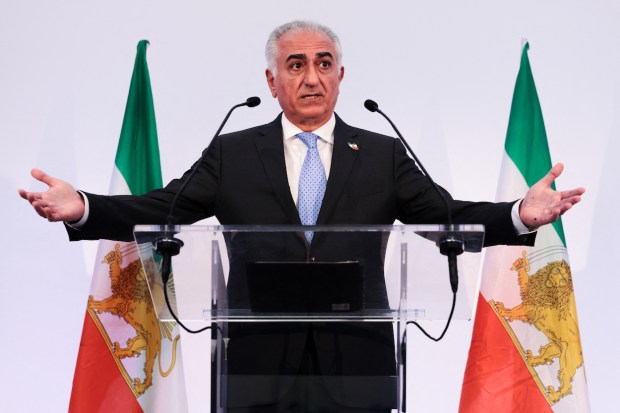
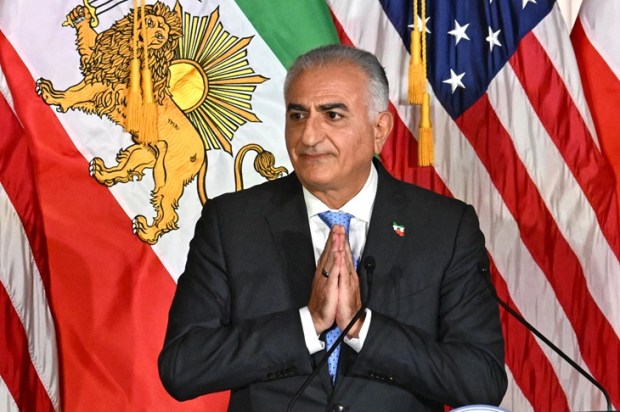
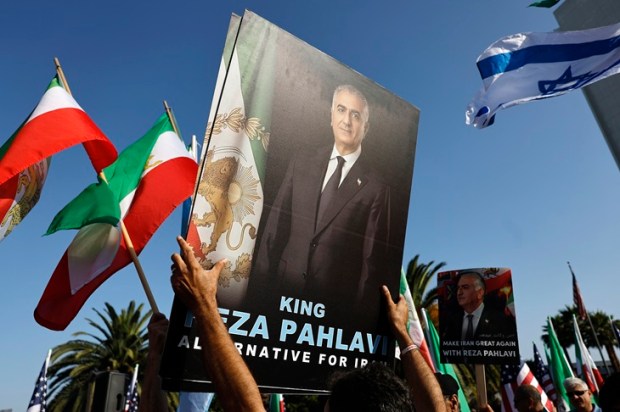
Today, after centuries have passed, the aspiration of nations for the world is also for something resembling the principles and charter associated with Cyrus, and that aspiration is nothing other than the return of peace and tranquillity. The Iranian people believe that with the return of Reza Shah II, reconciliation and happiness will once again spread throughout Iran, the Middle East, and the world, and that terrorist and ideological wars will be prevented.
I hope that October 29 this year will be the day when Reza Shah II returns to his homeland, Iran, and the Islamic Republic no longer rules over the destiny of the Iranian people, allowing the people of Iran to freely decide the political future of their country.
If, in the near future, Reza Shah II, like Cyrus the Great, returns to Iran and plays his global role, bringing peace to the Middle East from within his own country, Iran, reconciliation and peace will return to the world.
My hope, like that of other cultural activists, is that there will be a country where no mother fears for her child’s future; where no young Iranian is forced to leave the country in order to live a free life; where Iranians of every religion, belief, and way of thinking can live alongside one another; and where political differences do not turn into violence, repression, and massacres such as those of January 6 and 7 in this year.
Cyrus the Great is remembered in world history in connection with a period in which, following the conquest of Babylon, groups of exiled people were able to return to their homelands and restore their religious practices. The Jews were among those who were able to return to Jerusalem and rebuild their temple.
Perhaps this is why, for me, October 29 is not merely a commemoration of an idealised monarchy. This day can be a reminder of an ideal: Iran can once again become a land of reconciliation.
October 29 can remind us of the past, but our eyes must be on the future.
How can we spread merit and excellence throughout the world and put an end to the endless cycle of wars?
How can we govern the world through art, knowledge, and truth, rather than through crisis, war, and terror?
The belief of the Iranian people is that one day they will freely determine their own destiny, as Reza Shah II has said. Iran will once again experience peace and tranquillity, and the aspiration for peace that is rooted in the hearts of many Iranians will spread from Iran to the Middle East and from the Middle East to the world.
By Leila Naseri: Author | Composer | Social Cultural Analyst