Inflation continues to tick up. Figures just released by the Office for National Statistics (ONS) show that the Consumer Price Index (CPI) rose by 3.6 per cent last month – up from 3.5 per cent the month before. It’s the fastest pace of price rises this year.
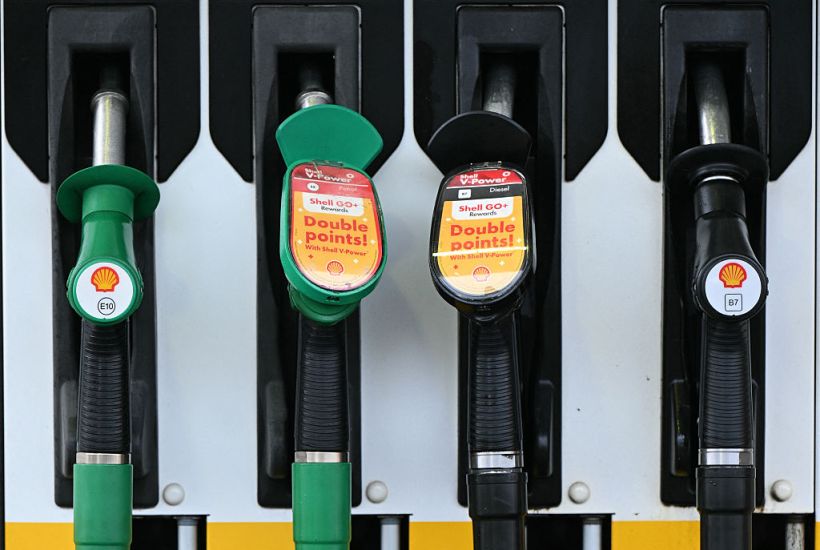
The rise – which economists had expected – was largely a result of increased energy costs. Petrol and diesel are up 33 per cent on a year ago and rising at their fastest pace since the summer of 2022. Household gas jumped too thanks to the increase in the energy price cap. There was also an outsized contribution from cigarettes thanks to higher vape and tobacco duties. Burnham’s removal of VAT on electricity bills did little to offset these other price rises.
Petrol and diesel are up 33 per cent on a year ago and rising at their fastest pace since the summer of 2022
There was, as there has been for much of this year, better news when it comes to food. Food and soft-drink inflation actually slowed to 0.9 per cent, which is the lowest figure there since September 2021. Restaurants and hotels made the loudest downward contribution to the overall CPI figure too. That’s because, despite claims from the previous chancellor about price gouging, nothing of the sort has happened and the fierce competitiveness of Britain’s supermarket sector means producer inflation is not yet being passed on to the consumer. Long may that continue.
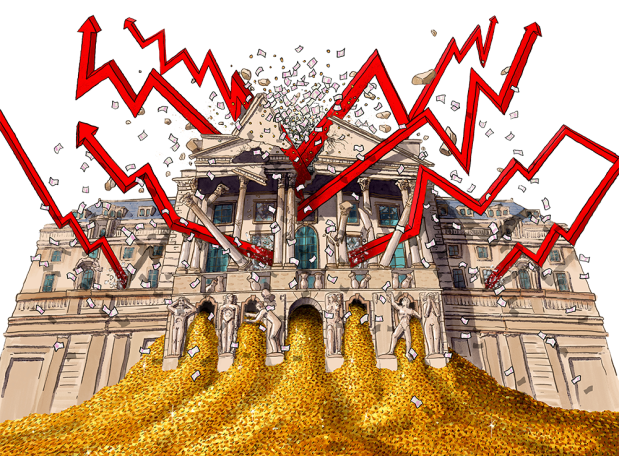
The fact inflation is not soaring in the hospitality sector will also reassure the Bank of England that the so-called ‘second-round effects’ they so fear have not yet come to pass. If that is indeed their belief, then they will probably resist hiking rates again next month.
Crucially too, services inflation was flat, as was core inflation (which strips out food, energy and fags). That should further reassure the Bank that markets have perhaps overpriced the need for a succession of rate hikes.
At the Bank’s last meeting they forecast that inflation could be heading for 5 per cent next year – at odds with what the Office for Budget Responsibility (OBR) had predicted at the Budget – based largely on expectations of higher oil prices. Brent crude is coming down and gas prices are falling too. As long as that continues, mortgage holders and, indeed, the Treasury will be hoping the Bank holds its nerve.