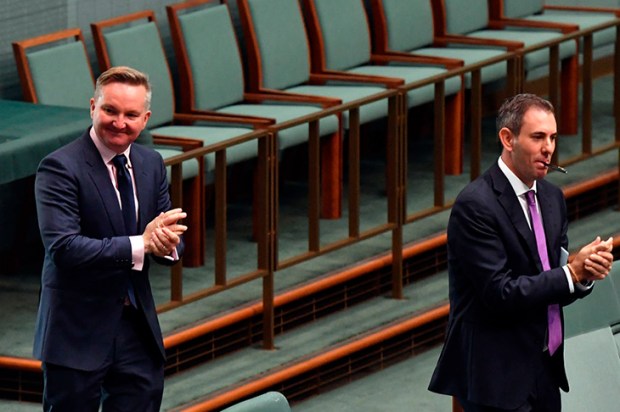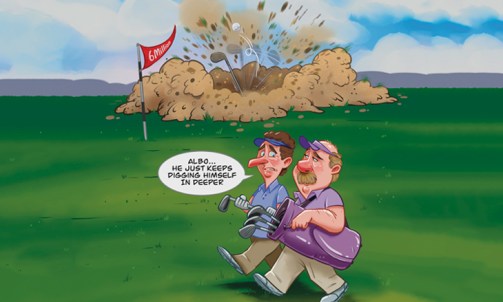
In the May Budget, the Labor government, through Veterans’ Affairs Minister Matt Keogh, announced a $5,000-a-year cap on veterans’ allied-health services from 1 July 2027. The savings are about $748 million over three years, against $169.7 million in higher provider fees. It will not apply to TPI and Special Rate veterans, or to those assessed as catastrophically injured. That is not much comfort to everyone else.
The process for going above $5,000 has not been designed. Veterans are being asked to trust a procedure that does not exist.
Supporters of the cap say that veterans will be able to see ‘in real time’ how much they’ve ‘spent’ leading up to the cap. Veterans have little reason to believe the figure on the screen will match the figure at reception.
Comments online from faceless government employees make the situation worse. They say, for example, that ‘sometimes a veteran will be prescribed three physio sessions a week when they only require one’. On the one hand, you have an allied health practitioner who has treated and seen the veteran in person making an assessment about appropriate care.
Meanwhile, some bureaucrat says the veteran requires less care, with no assessment and in all likelihood without ever having spoken to or seen the veteran. What qualifies that third party to overrule the treating clinician?
This comes down to money. It is my view the current Labor government is trying to scrounge every last cent from the very people who fought to defend this country. It’s abhorrent.
The commentary has been ugly for a reason. It looks like a government punishing veterans while doing a Temu impression of Karl Marx.
Veterans deserve better. They should not have to wonder, like a parent at Big W checking a gift card, whether the next appointment will be cancelled at the last minute for ‘exceeding the cap’.
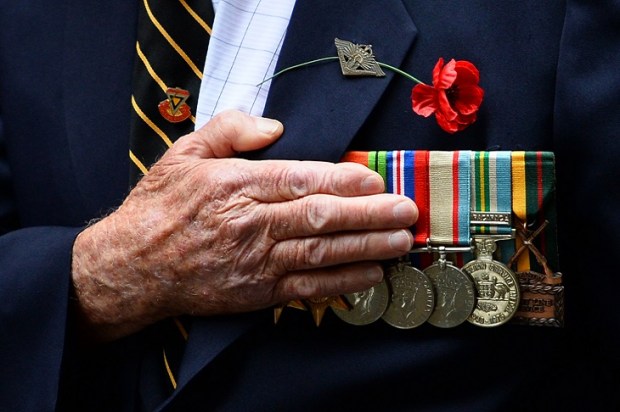
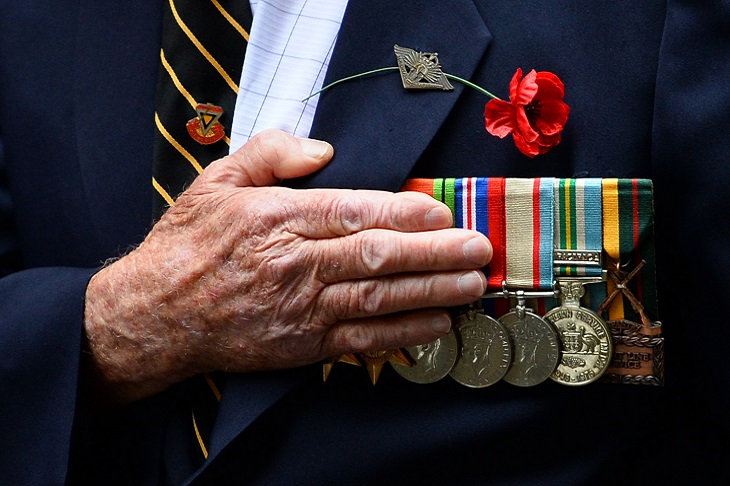
Ask any veteran today how much they think the government values their contribution to the freedom of this country. Many will say, ‘Well, apparently only $5,000 a year.’ Suicide and mental health issues are rife among veterans in the post-Afghanistan years, and some believe this cap will only worsen the issue. A policy that treats recovery as a line item will not reduce the human toll.
The Prime Minister says that kindness isn’t weakness. Yet the only rationale for this cap is meanness.
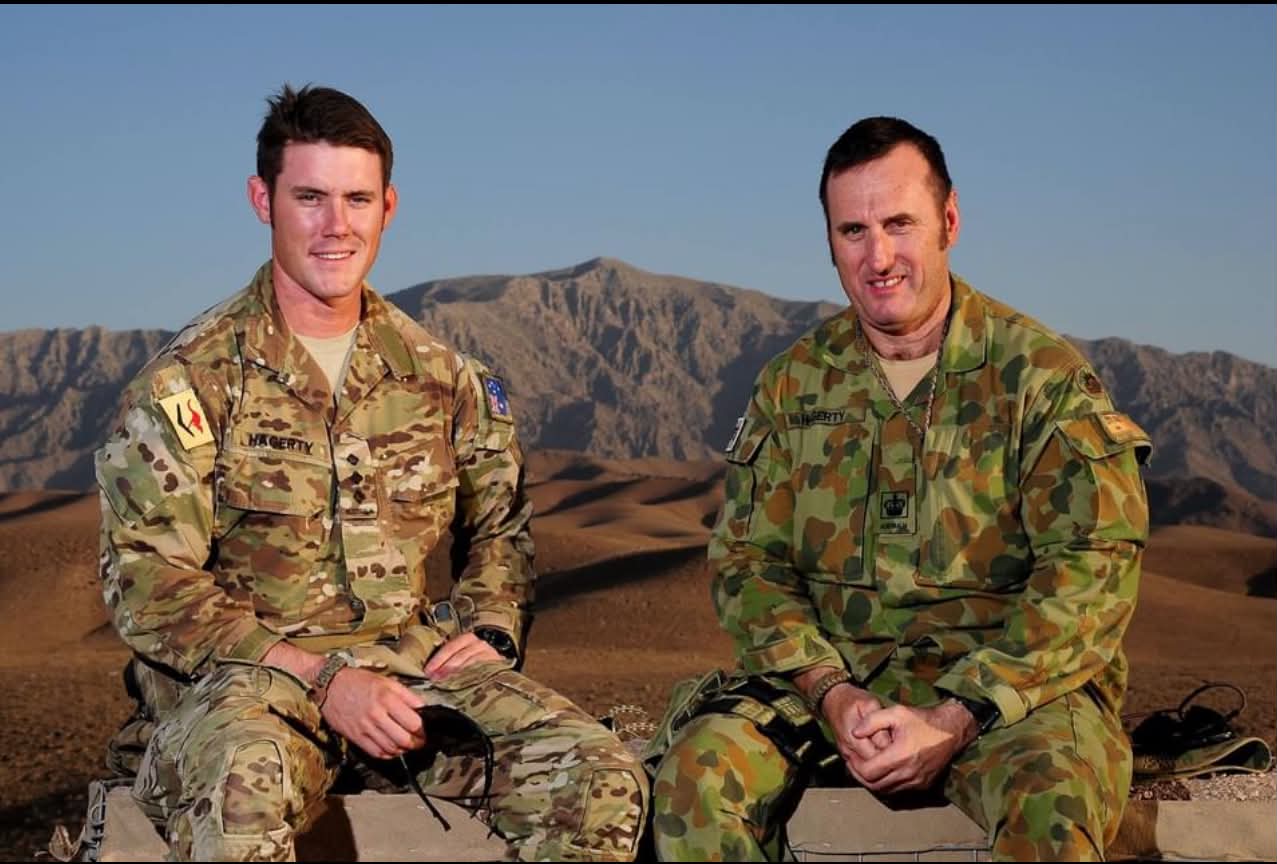
Luke Hagerty and his father serving together in Afghanistan.
I served for just short of 18 years. I’ve had seven shoulder surgeries, been diagnosed with Complex PTSD and Major Depressive Disorder, had a groin reconstruction, repairs to three fractured vertebrae, a nerve ablation, and a spinal decompression. All of these conditions have been accepted by DVA as service-related. The operations sit outside the threshold. The physio and psychological care they require do not.
I require frequent physio and psychological care, and I will exceed their cap well before the financial year is six months old. And I am not alone in this.
Supporters cite an ‘average’ of $1,900 a year. DVA has also put average use nearer $3,500. RSL Australia says about 25,000 veterans already spend around $9,700 a year. DVA’s own figure is that about one in ten Veteran Card holders already exceed $5,000.
The average is irrelevant.
Every attempt should be made to ensure those of us who have committed ourselves to the defence of this nation, overseas or at home, have the best available care.
My father served for 43 years before his death and our family has a proud history of service. I would hate for young people who might think of joining the ADF to reconsider their choices based on poor policy decisions by the government of the day.
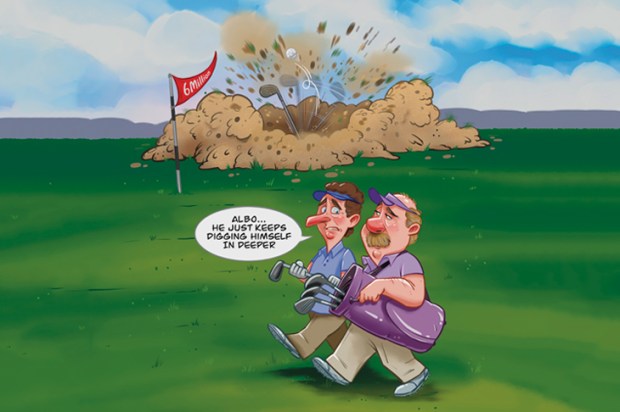
If providers are rorting the system, pursue the providers. Don’t come home and kick the dog.
Luke Hagerty is a retired infantry officer who served with the Royal Australian Regiment. He was deployed to Afghanistan and Malaysia as a Major. He has a Masters in Business and a Masters of Military and Defence Studies. He is a graduate of the Australian War College.