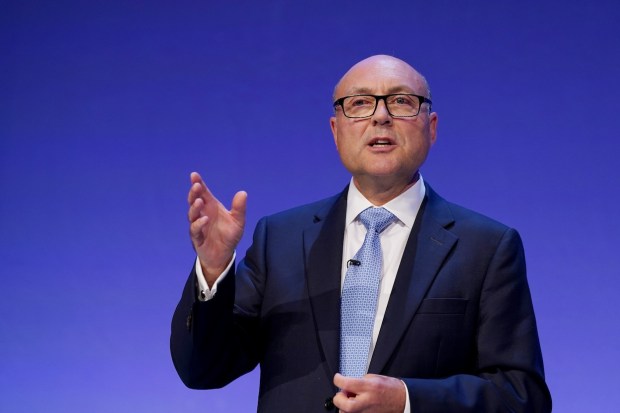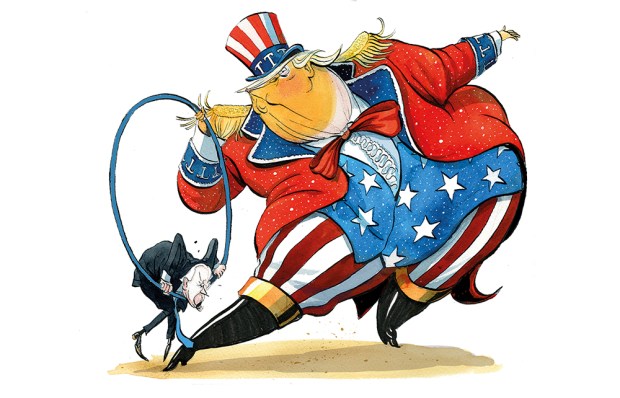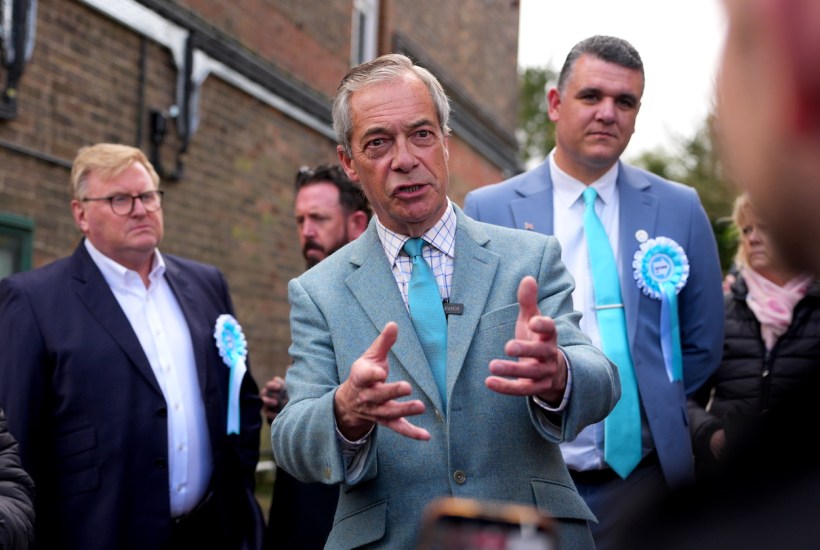
Nigel Farage has never been afraid to gamble, and many times before he’s seen his big bets pay off. His decision to resign as the MP for Clacton and trigger a by-election is, in many ways, very much in his playbook: a bold electoral gambit, pitched as a fight with the establishment. Not only that, but in the face of a series of underwhelming by-election performances in Gorton, Makerfield and likely the Greater Manchester by-election, a resounding Clacton win could be the way to reboot Reform’s momentum.
But will his Clacton gambit see him win big, or could this be the one that backfires?
Farage is entirely right to fancy his chances; in so many ways, Clacton is the archetypal Reform seat. In 2024, he won 46 per cent of the vote – and this was when Reform’s national vote share was 14 per cent, around half of what it is today. Three in four Clacton voters voted Leave in 2016, making it the constituency with the third-highest Leave vote in the UK. Clacton is one of the only two constituencies to ever elect a Ukip MP. And our MRP suggests it has among the highest immigration salience in the country. If Reform can win a by-election anywhere, it is in Clacton.
While Makerfield was an uphill struggle for any non-Reform candidate – and indeed, had it not been for Burnham, Labour would have lost – Clacton is an entirely different league. As recently as the May local elections, Reform swept the board here. Across four of the county council divisions that make up the Clacton seat, no other party got more than 20 per cent of the vote, with Reform easily getting over 50 per cent.
Clacton isn’t a monolith: yes, it contains struggling seaside towns, including Jaywick, the most deprived neighbourhood in England. In these areas, support for Ukip was once particularly strong, and they have a history of electing localist independent candidates, although turnout is usually very low. Among these voters, Farage’s war with the establishment is likely to resonate. But Clacton is also home to affluent rural villages and genteel resort towns where the Conservatives have dominated for decades. These voters are often more risk-averse, believe in preserving our institutions, and are more trusting of the Tory Party. Yet in local elections in May of this year, Reform proved they could win big in both.
I could go on, but I think this makes the point: this is Reform territory.
Who, then, could Reform’s main challenger be? Ordinarily, it would have pointed to the Conservatives, who held the constituency before the 2024 General Election gave Farage his first ever seat. But both main parties are out, and it’s hard to see a progressive alliance toppling Reform. In Clacton, since 2014, right-wing parties have never won less than 69 per cent of the vote between them.
In the Conservatives’ absence, who is left?
Clacton’s rightward tilt means that the type of tactical voting that boosted parties of the left in Caerphilly, Gorton and Denton, and Makerfield simply isn’t plausible here. In Labour’s absence, the Greens would typically pick up the progressive mantle, but they’ve said they won’t be putting forward a candidate either. And unlike in Gorton and Denton, (though I never say never in British politics) a Green-Lab progressive alliance wouldn’t be close to enough to win the seat.
Some have suggested that a ‘Martin Bell type’ (named after the independent anti-sleaze figure who ousted Neil Hamilton in Tatton in 1997) should stand against Farage. But there are two key flaws in this reasoning: firstly, this is not 1997, and secondly, Clacton is not Tatton. Bell’s candidacy worked because he could be cast as an ‘unimpeachable character,’ untainted by party politics. That trick doesn’t work in 2026, when there are far fewer nationally unifying figures – a man in the white suit would instead be labelled an establishment pick. And Tatton is a wealthy, small-c conservative seat, home to many ‘centrist dads’, whereas anti-establishment anger and dejection are widespread in Clacton.
So, who’s left? Count Binface? An independent candidate, capitalising on an electorate who feel jaded about being used as a stepping stone, and are looking for a protest vote. (But while I promised to ‘never say never’, Count Binface might still be a bridge too far.)
So, who’s left? Count Binface?
In the absence of a serious contender, Farage’s main challenger may be low turnout as the people of Clacton tune out entirely. On both sides of the contest, it will be hard to motivate voters to turn out in support or opposition to Reform, given that the outcome feels so inevitable. Most main parties are boycotting the race, and if most eligible voters boycott it too, it would fuel criticisms of the contest as an attention-seeking stunt.
The risk is less that Reform loses Clacton, and more that their victory is a damp squib, followed by another by-election in a few months’ time. A resounding win on high turnout would hand Farage the symbolic blow against the establishment he needs. But if turnout is low, and an independent does well, the win could feel hollow. Farage looks set to get his by-election victory; whether his big bet pays off and reinjects a burst of momentum into reform is a another matter.