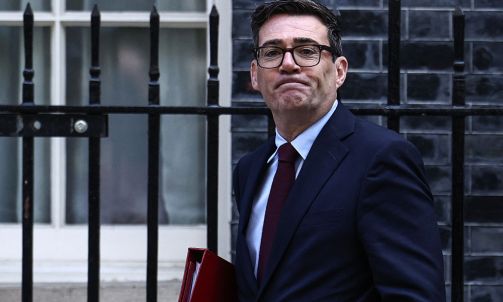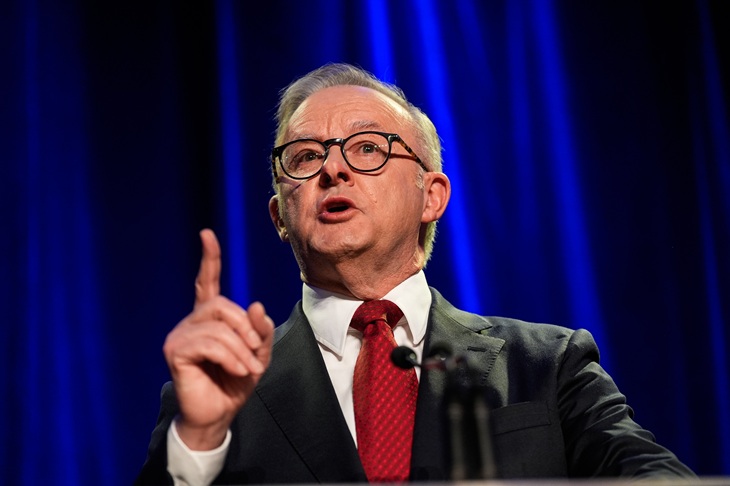
‘We’ve changed our position’ is Prime Minister Anthony Albanese’s much ridiculed attempt to hide from accusations that he misled voters at the last election about changes to the negative gearing and capital gains taxes in the budget.
But remember, Albo, there are lies by commission and there are lies by omission.
One question he has not been asked is, when did that change of position occur?
How long before it was ingested into the budget?
We must assume it happened before the budget handed down on May 12, 2026, and after August 2025, around the Economic Reform/Productivity Roundtable. When pressed on potential reforms raised by unions and welfare groups, Albanese stated:
‘The only tax policy we’re implementing is the one we took to the election.’
This was reported as recently as August 6-7, 2025, and appears to be the last clear public assurance before the 2026 budget.
Never during those intervening nine months did the Australian public learn that Labor had changed its position on these taxes. Until the budget carried the news. A technically complex package like this generally needs at least 4-6 months of intensive work, often closer to 6-9 months from when a government commits internally, to be in a deliverable state for Budget night
Even prior to the Roundtable, on April 9, 2025 (during the federal election campaign), Albanese was asked to rule out changes to negative gearing and CGT if re-elected. He replied tersely: ‘Yes. How hard is it? For the 50th time.’ This was widely cited as a firm commitment. Repeating a lie 50 times doesn’t make it true.
For complex tax reforms involving housing, investment behaviour, and revenue (like negative gearing limits and replacing the 50 per cent CGT discount with indexation + 30 per cent minimum tax), Treasury requires significant lead time for economic and revenue modelling (using microsimulation models, behavioural assumptions, etc.), legal and administrative design (grandfathering rules, definitions of ‘new builds’, transitional arrangements), stakeholder consultations (even if limited) and sensitivity testing.
Treasury had done preliminary modelling in 2024 (and possibly earlier), but the government chose not to proceed before the 2025 election. Serious development likely accelerated from late 2025, post-election, around the August 2025, even as Albanese was denying any changes being contemplated (see above).
Public signals appeared by February 2026 that options were under active consideration. Final decisions, detailed costing for forward estimates, and packaging with other measures (e.g., trusts, tax offsets) occurred in the Feb-April 2026 window, consistent with the standard process.
But changes were always denied. Until they jumped off the pages in the budget.