Lead book review
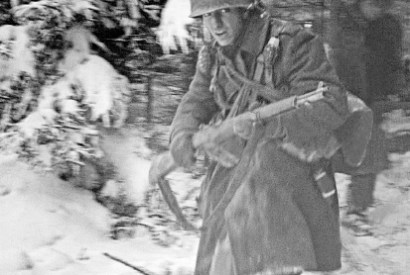
The beginning of the end
Both German and Allied troops could be accused of war crimes in the struggle for the Ardennes. It’s a tragic and gruesome history, involving heavy casualties — but flashes of black humour make it bearable, says Clare Mulley
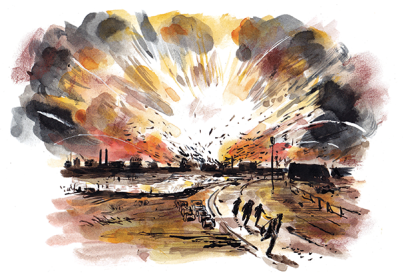
Blown to blazes
Philip Hensher on a little-known episode of first world war history when a munitions factory in Kent exploded in April 1916, claiming over 100 lives
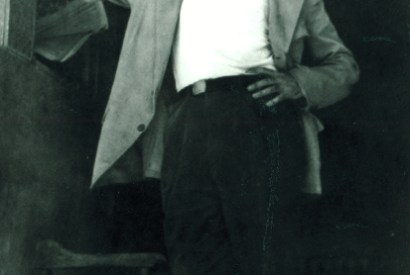
The raw material of fiction
Saul Bellow’s lurid personal life — especially the triangular relationship with his wife and her lover — was the basis for his best work, says Craig Raine
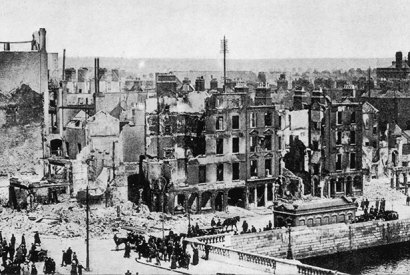
The blood-dimmed tide is loosed
The centenary of the Easter Rising is already being commemorated. Ahead of the flood of books that will follow, Roy Foster chooses two impressive, if sombre ones to be going on with
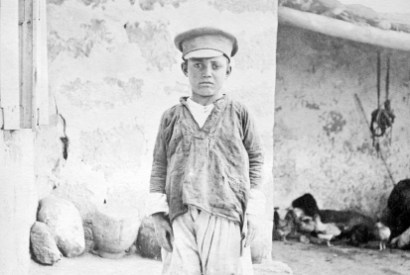
Too little, too late
The atrocities suffered by an estimated one million Armenians in 1915 have been largely ignored by historians and officially denied by the Turks. It’s a centenary we can’t afford to neglect, says Justin Marozzi
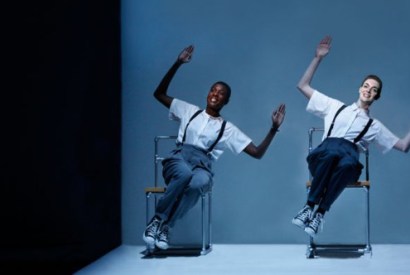
That unmistakable touch of Glass
Philip Hensher infinitely prefers the words to the music of the maverick ‘minimalist’ composer
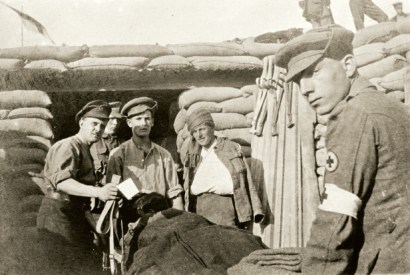
Evil under the sun
Peter Parker discerns classical allusion amid the horror in two books commemorating the centenary of the Gallipoli campaign
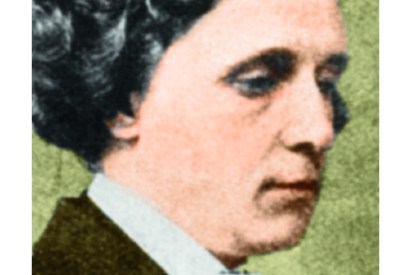
Thank heaven for little girls
A.S. Byatt explores the dark alternatives to innocence in Lewis Carroll’s deeply disturbing looking-glass world
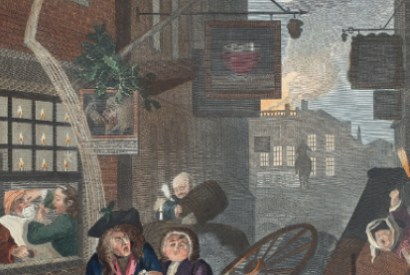
Wait until dark
James McConnachie discovers that some of the greatest English writers — Chaucer, Blake, Dickens, Wordsworth, Dr Johnson — drew inspiration and even comfort from walking around London late at night
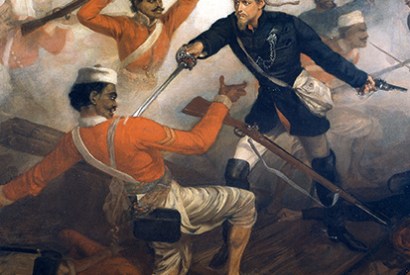
An empire within an empire
William Dalrymple is uncomfortably reminded of the astonishing savagery by which the East India Company maintained the Raj throughout the 19th century

Driven to abstraction
Philip Hensher on the perverse, tormented Mark Rothko, whose anger and depression — often painfully apparent in his art — only increased with his success
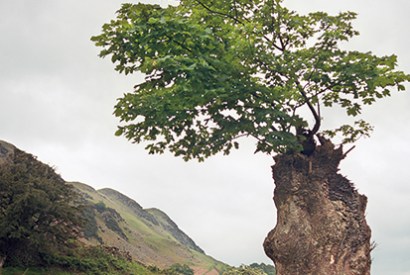
For blackberry, read BlackBerry
It is not only archaic or dialect terms in natural history we’re now missing in everyday speech, says Adam Nicolson. Soon children won’t even know what a dandelion is
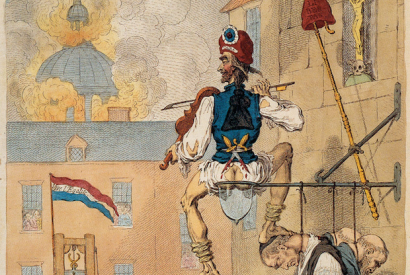
The fear behind the Terror
Why did the French Revolution go so wrong, descending into a frenzied bloodbath in just five years? Because by 1794 all trust had vanished, and the country had literally run out of cash, explains Ruth Scurr
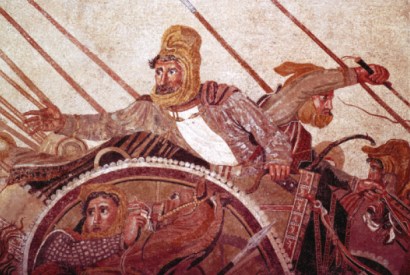
Beautiful losers
The ‘Great Kings’ of Persia were renowned for their good looks and imposing stature, but they will always, throughout history, be eclipsed by the Greeks, says Tom Holland
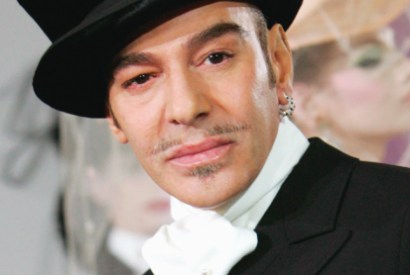
Bad boys of fashion
Philip Hensher explores a dangerously intoxicating world, and discovers just how quickly famous designers can become an irrelevance
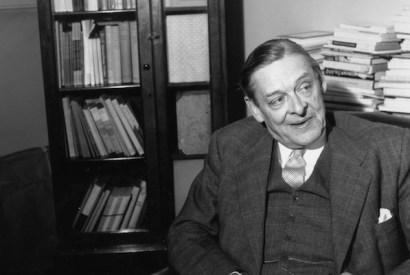
The making of a famous serious poet
T.S. Eliot may have put much of his early life into his poetry, says Daniel Swift, but The Waste Land remains a marvellous mystery that defies explanation
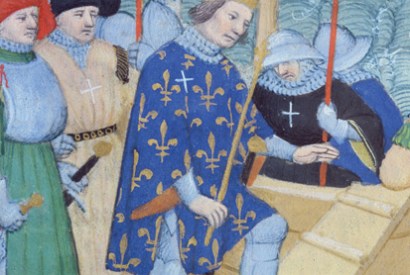
Middle Age cred
Sean McGlynn is delighted by a cultural journey through the Middle Ages, replete with philosophy, heresy and mysticism
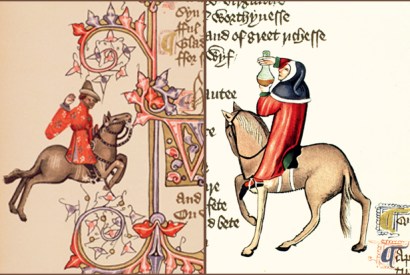
1386 and all that
Sam Leith describes the frequently lonely, squalid and hapless life of the father of English poetry

Pearls before swine
Philip Hensher bewails the current neglect of the short story, especially in the British literary press
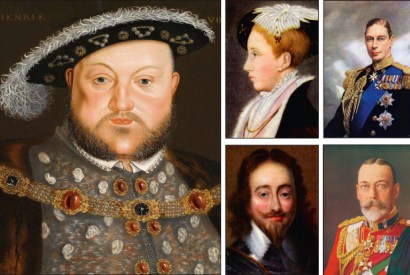
Of cabbages and kings
Nigel Jones reviews the first five titles to appear in a new series on British monarchs
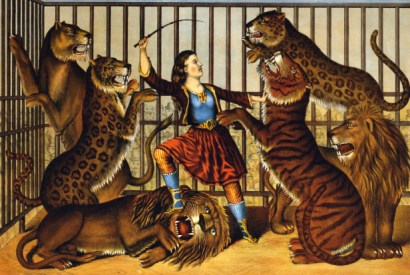
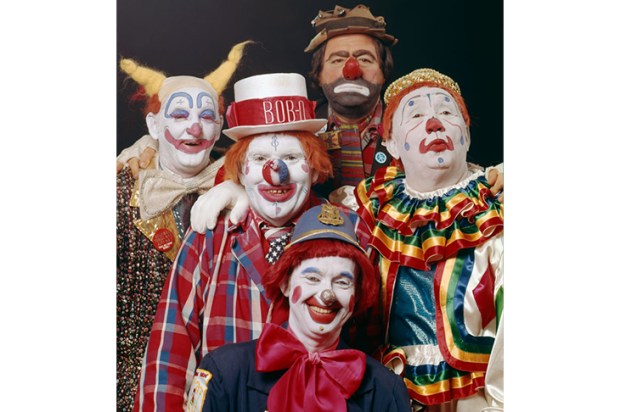
Send in the clowns
Nell Gifford joins a colourful troupe of acrobats, contortionists, lion-tamers, freaks and funambulists

Serving Mammon first
The Saudis, official custodians of Islam’s holiest place, have bulldozed its historical sites, perverted its religion and turned Mecca into one vast shopping mall, says Justin Marozzi
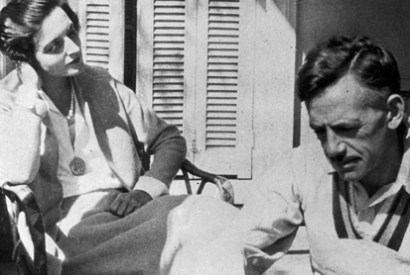
Bitter, dark and beautiful
Sarah Churchwell on how Eugene O’Neill virtually single-handedly revolutionised American theatre in the first half of the 20th century
Books of the Year
A further selection of the best and most overrated books of 2014, chosen by some of our regular reviewers
Books of the Year
Plus choices from Mark Amory, A.N. Wilson, Thomas W. Hodgkinson, Roger Lewis, Jonathan Mirsky, Jeremy Clarke, Stephen Walsh, Ferdinand Mount, Ysenda Maxtone Graham, Wynn Wheldon, Stephen Bayley, Jonathan Rugman, Alan Judd, Patrick Marnham, Richard Davenport-Hines, Michela Wrong, Byron Rogers, Sofka Zinovieff and Andrew Taylor