Lead book review
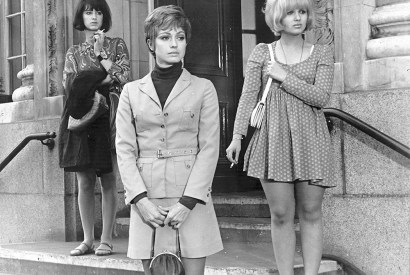
In with the new: Julie Christie, Mary Quant, Up the Junction – the decade that changed Britain
The 18 months covered in the latest volume of David Kynaston’s magnum opus contain some of the defining moments of the whole postwar period

She lived frantically ever after: the jaw-dropping life of Barbara Cartland
Most people’s lives contain vast swathes of boredom but not Cartland’s. Every page of this biography is a cliff-hanger: pistols are forever going off, legs are amputated, proposals are made at gunpoint and suicides are two a penny
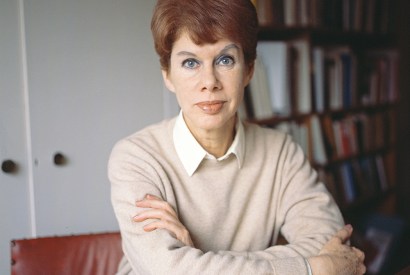
Few writers have covered their tracks as successfully as Anita Brookner
The distinguished art historian and novelist shredded as many private papers as she could, leaving her biographer the daunting task of piecing together clues from published material
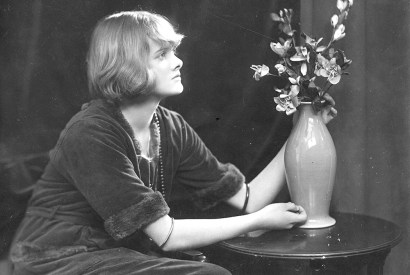
The spellbinding power of the du Maurier family
Daphne du Maurier’s grandson examines his forebears’ imaginative understanding of the collective unconscious and their uncanny feel for what the public wanted
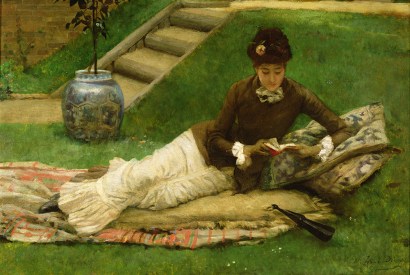
The mind-altering miracle of the novel in Britain, from A to Z
Philip Hensher reminds us of the transformative power of fiction over the centuries – from Ann Radcliffe’s Gothic experiments to Zadie Smith’s bone-deep knowledge of the form
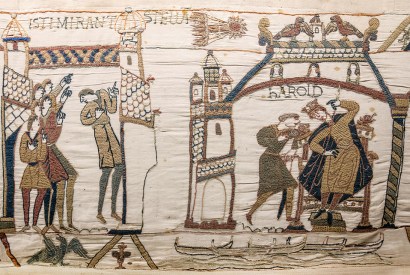
Shagger, chancer and oath-breaker – Harold Godwinson had a touch of the Viking about him
But for all his faults he emerges from Tom Licence’s biography, like the blazon on his banner at Hastings, ‘an armed warrior woven in pure gold’
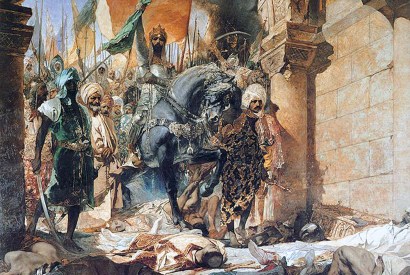
The Byzantine empire ends in an orgy of rape and slaughter
Massively outnumbered and abandoned by Christian Europe, Constantinople’s inhabitants finally succumbed to the Ottomans after a devastating 53-day siege
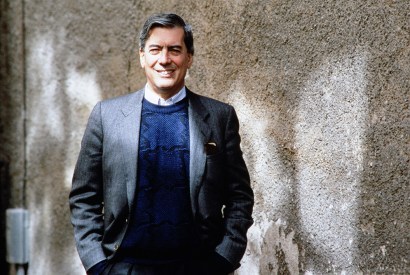
‘A selfish, ignoble person’ – the dark side of the Nobel prize-winner Mario Vargas Llosa
‘Why so many lies, so many deceptions, so much disloyalty?’ lamented his first wife, echoing the views of many others once close to the Peruvian novelist
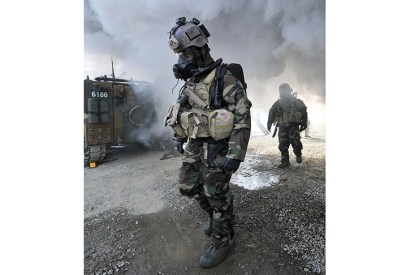
Will any lone fanatic soon be capable of bioterrorism?
Building such weapons still demands resources beyond an amateur, but the margin of safety is fast eroding, warns Annie Jacobsen
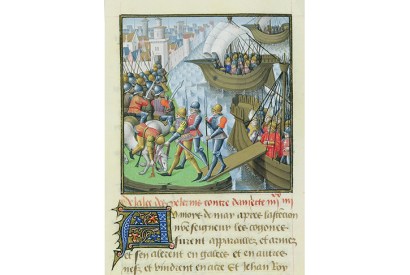
Christian soldiers in retreat – the disastrous Fifth Crusade
Instead of invading Palestine, the crusaders decided to attack Egypt instead, resulting in a long, costly siege followed by encirclement and a humiliating truce in 1221

Will Cuba be reborn as a Caribbean Las Vegas?
Six decades on from Castro’s revolution, all talk is now of the Yanqui dollar and how to acquire it
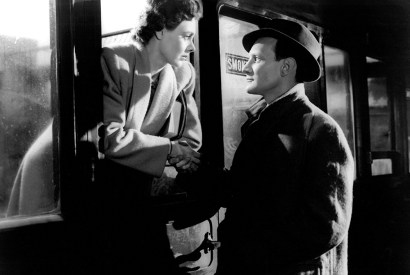
A century of movie magic: how cinema has changed the way we think
David Thomson examines the industry from many different viewpoints, highlighting the remarkable influence of films on our behaviour
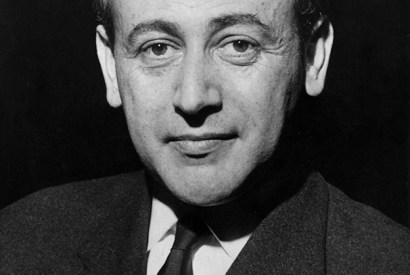
The tragedy of Paul Celan – trapped in his own allusive poems
By his late thirties, the great poet of the Holocaust had succumbed to clinical paranoia, in which every aspect of daily life was saturated with evil significance
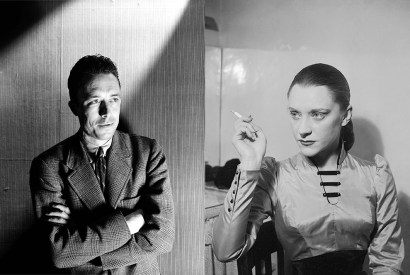
French letters – Albert Camus’s great epistolary love affair
To read the 15-year correspondence between Camus and the actress Maria Casarès is to experience a vertiginous roller-coaster between transcendent joy and abject suffering

The sham shaman: the fantastic lies of Carlos Castaneda
An entirely invented memoir, supposedly relaying the wisdom of a Mexican guru, was not only a cult bestseller but was endorsed by anthropologists and even UCLA
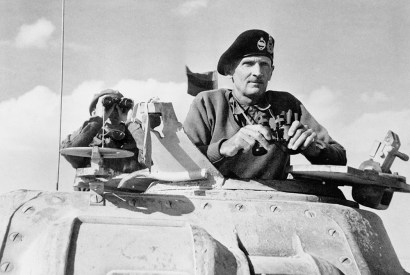
Insufferable martinet or inspirational hero? Field Marshal Montgomery was both
An abusive childhood may help explain the contradictory character of Britain’s great second world war commander, says Gary Mead
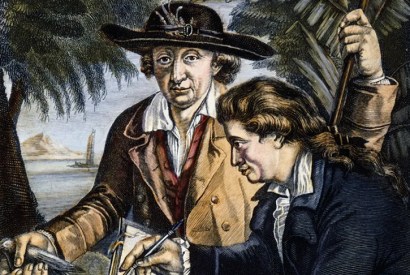
The short, eventful life of George Forster – explorer, naturalist and revolutionary
By the time he died, aged 39, the German-Polish polymath had travelled the world, mastered ten languages, witnessed the French Revolution and campaigned tirelessly for human rights
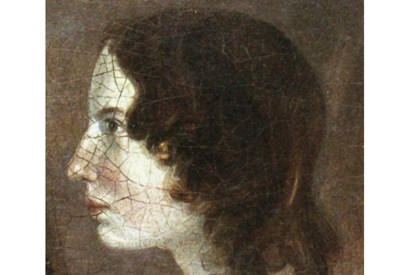
A glimpse of the extremes of Emily Brontë’s imagination
Confined spaces as well as open ones preoccupied Emily, with dungeons and graves filling her poetry as much as the unbounded landscape of the moors
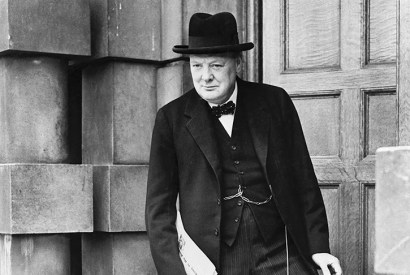
At the beginning of the second world war, Winston Churchill seemed a most unlikely hero
His early directives at the Admiralty and his handling of the Norway campaign exasperated his war cabinet colleagues and might even have ended his political career
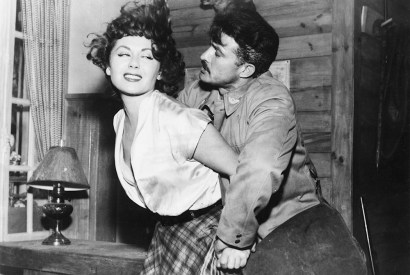
All the gossip about Lady Chatterley’s Lover
Trawling through decades of songs, newspapers, films and merchandise, Guy Cuthbertson catches a shoal of ephemera relating to Lawrence’s last novel
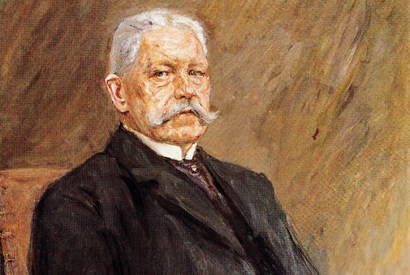
How interwar Germany became a breeding ground for evil
The permissiveness of the 1920s led to an autocratic backlash, with ‘the entire class representing intellectual Germany’ becoming ‘Nazi-infested’, according to the diplomat Harry Kessler
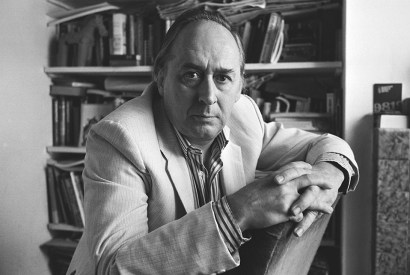
J.G. Ballard’s surreal fiction continues to resonate through the century
Christopher Priest’s sympathetic biography, completed by his wife after his premature death, will enlighten new readers and maintain Ballard’s reputation
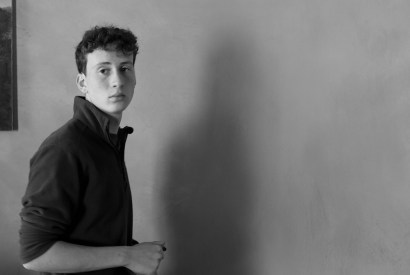
A deadly imitation game: the fate of the British teenager who posed as a Russian oligarch’s son
Patrick Radden Keefe investigates the mystery of Zac Brettler’s fall from the balcony of a luxury riverside apartment into the Thames one November night in 2019
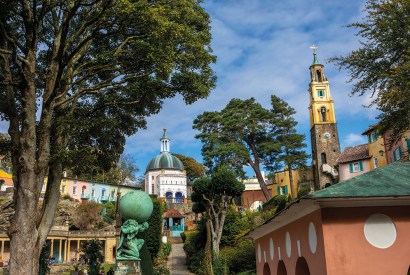
Only prigs and bores could object to the incongruity of Portmeirion
With its colonnade, campaniles and ice-cream colours, Clough Williams-Ellis’s fantasy brings a touch of the Italian Riviera to north Wales
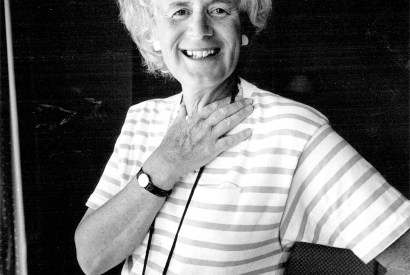
Riddled with contradictions: the enigma of Jan Morris
The self-made woman remained obstinately masculine; the admirer of imperialism was a passionate Welsh nationalist; and the travel writer could be both superficial and profound