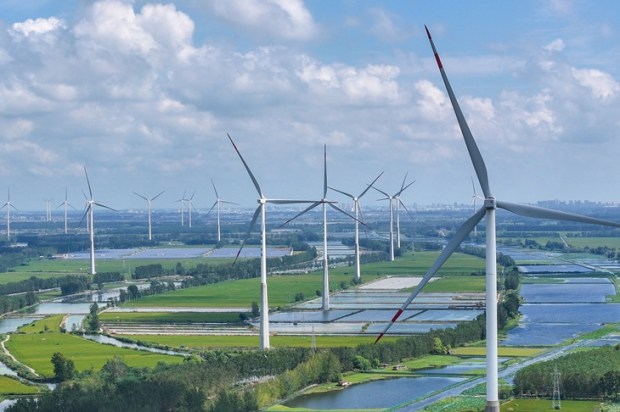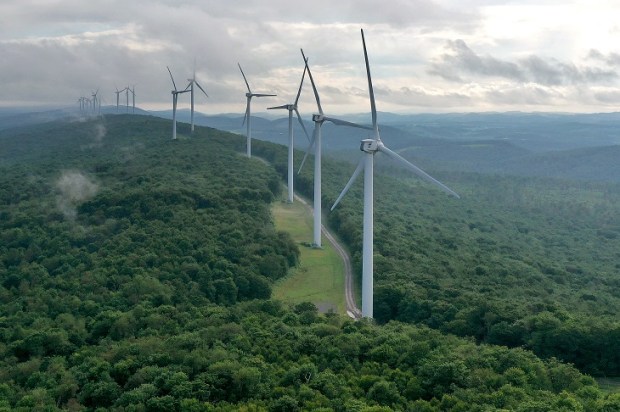
Many governments are suddenly realising that economies do not operate on sunbeams and zephyrs.
This is less so for the ossified EU bureaucracy, which is preparing a ‘catalogue’ of energy-saving and low-carbon investments (to replace oil/gas), including smart-grid upgrades incentivises for better renewable integration.
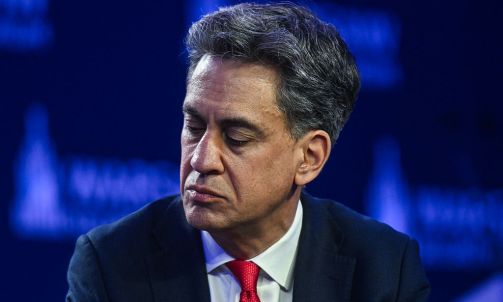
Germany, however, is going further. Their Energy Minister has prepared the ground for a policy about-face with an apostolic condemnation of wind and solar, stating, ‘an energy transition that ignores system costs will ruin the country’. In addition, Chancellor Merz has described the abandonment of nuclear power as a ‘grave strategic mistake’ and is delaying coal phase-outs. For its part, Italy has deferred the permanent closure of four coal plants from the end of 2025 to 2038.
Japan and Korea are delivering messages similar to those of EU bureaucrats, while also returning to nuclear power and reverting to coal (ostensibly temporarily).
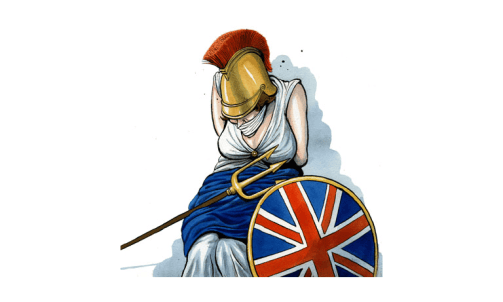
The UK Labour government has suspended its £18-per-tonne carbon tax on gas and (currently discontinued) coal generation, claiming it has served its purpose by killing off coal. The measure reduces gas and coal generation costs by 7 and 15 per cent, respectively. The Tories have finally realised that the UK’s industry is uncompetitive because the nation’s green energy regime (forged by the Uniparty of Labour and Conservative governments) has driven electricity prices to four times those of the US. Finally differentiating her party from Labour, Ms Badenoch says, ‘It is time to ditch our green levies.’ Badenoch has joined Reform’s Nigel Farage in promoting drill baby drill, a policy towards which even Labour is tiptoeing.
For Australia, green taxes and regulations have undermined the country’s cost advantage as the world’s cheapest, most reliable energy supplier, and have hollowed out industry competitiveness. At the same time, craven pandering to those with no understanding of wealth-creation processes has frozen oil and gas developments, and elsewhere in mining as well as in agriculture. Add to this profligate social spending and the picture emerges of a nation self-destroying both its income and sovereignty.
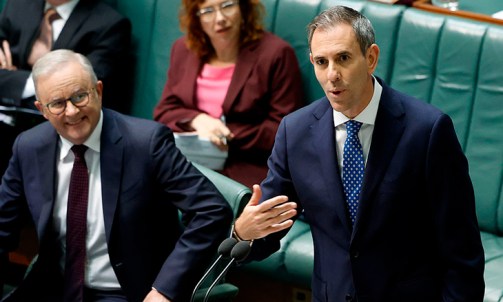
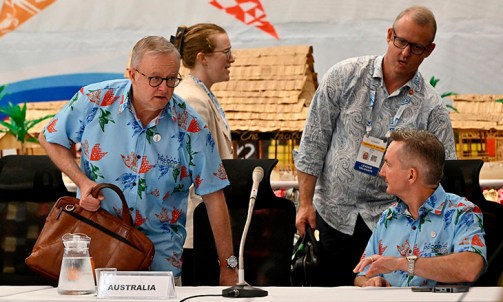
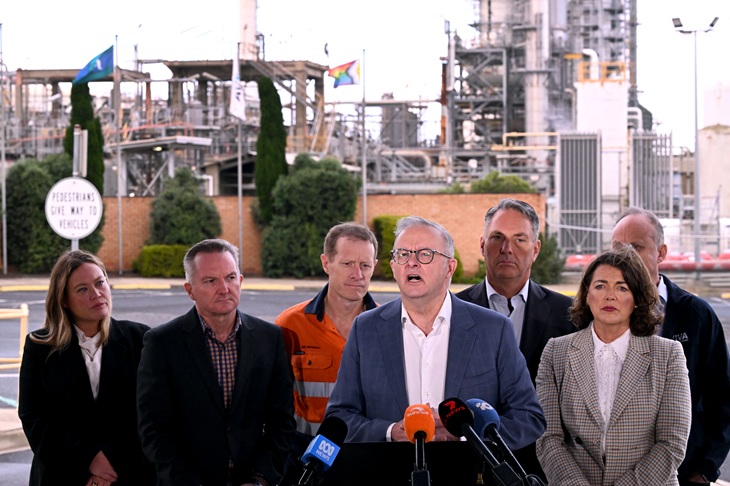
Prime Minister Albanese, like some overseas government leaders, has aggravated fuel scarcity by slashing petrol and diesel taxes. In addition, the Iran crisis has turned him into an oil purchasing agent. Albanese is traversing the region, extracting slivers of supply assurances from foreign politicians; unbeknownst to the Prime Minister, these entities might not have oil products to sell!
But here, as in the UK, the Uniparty nexus is breaking.
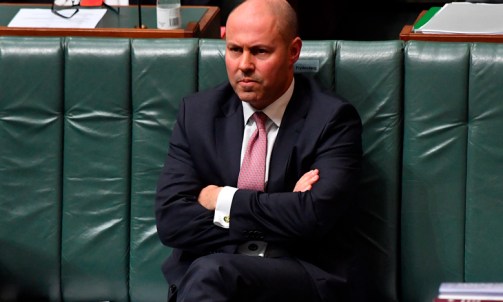
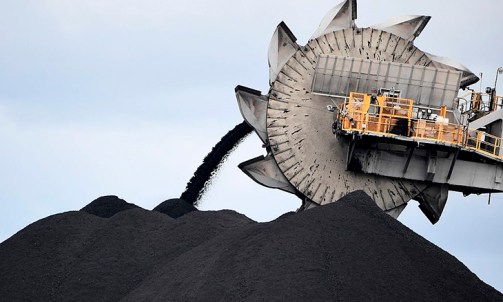
Matt Canavan’s Nationals have now joined One Nation in calling for an end to green regulations and levies that have done the nation such a disservice. Canavan is even advocating that the Capacity Investment Scheme be transposed from a renewable energy boondoggle to one that helps finance coal.
The Liberals are edging in the same direction, desperate to avoid what must surely be their destiny as an archaic shell of the former natural party of government. Labor is urgently searching for ways to negate the exclusion – introduced under pressure from the Greens – of coal and gas projects from the ‘streamlined assessment’ provisions of the Environment Protection Reform Act 2025; (some 36 fossil fuel developments have in fact been approved since 2022 using existing, non-expedited assessment pathways).
In addition, we can expect broader measures to support Middle Eastern oil exports. If controlled by a single party, the Straits of Hormuz has the characteristics of an ‘essential facility’. Political goals aside, its control can be used to extract super profits from users.
Passage through such seaways has always been successfully opposed even where the sea passage has a single nation on both sides, e.g. the Bosphorus (Turkey), Japan’s five major straits, and the Danish Straits. Sea passage is unrestricted by tradition and by international law (though the Danish Straits, like the Straits of Hormuz, have in the past been subject to tolls by their controlling power – in the case of the Straits of Hormuz that was Portugal).
But nobody in the Middle East would have confidence in Starmer-Macron assurances that Britain and France would keep the Straits open and, given its oil and gas self-sufficiency, future US governments may be less resolute. The oil and gas producers in the region have vast wealth but little income other than that from oil and gas. A pipeline from Abqaiq in Saudi Arabia to the Oman’s Muscat area (bypassing both the Red Sea and the Straits) would cost at least $10 billion, but this is dwarfed by the Arab states’ exports of over $600 billion a year, and we can expect several such gas and oil pipelines, including to the Mediterranean.
There are hopeful upshots from the Iran crisis. It has accelerated the collapse of the anti-coal and oil Environment Social and Governance (ESG) agenda globally (even the Woke Australian banks are now lending for coal developments). Multiple new pipelines, a resumption of fossil fuel (and nuclear) generated electricity, hold the promise of greater global prosperity – all the more so for Australia if the developments hasten the restoration of a goal of increasing living standards and using rather than sealing off the nation’s resources.