There have been mumblings about expanding the size of Canberra for a while.
In 2023, a parliamentary committee took a look at the 2022 federal election and suggested doubling senators for the territories from two to four. It went a little further, asking if the House of Representatives should grow due to a concern that Australia was being ‘under-represented’ when compared to similar democracies.
There is no real ‘right’ ratio for democratic representation, and as far as we can tell. As populations grow, either these ratios will change or Australia accepts a future with an ever-expanding Parliament.
If you are looking for political value, the conversation should shift to achieving better quality representation rather than a simple numbers game. After all, having twice as many morons represent you doesn’t make life any better.
‘It’s clear both [territories] are very different from what they were when the representation for the original states was put into our Constitution at Federation. They are still very different from when they were granted territory representation in 1973,’ said the parliamentary committee chair.
A good example of the argument in favour of expanding representation was the observation that the population of the Canberra Bubble, the ACT, is almost the same as Tasmania and yet Tasmania has six Senators and the ACT only has two.
That’s probably for the best…
There were lots of other recommendations made about the election in general, including ads, voting eligibility, donations, and the AEC.
Keep in mind, this discussion was taking place when the political machine wanted to talk about literally anything except the expanding post-Covid black hole under the Treasury.
To keep everything in proportion, something like 49 MPs would have to be added to the House of Representatives plus at least four Senators.
Regardless, we’re talking about a lot of expensive politicians to create more laws we don’t need.
Ask yourself, do you want Canberra having more power in Parliament?
I’m not sure expanding the reach of the bubble is something this country needs right now.
And if political representation is adjusted to remain proportional (by fiddling with state allocations), the change becomes superficial, expensive, and ultimately pointless to everyone except the ravenous machine of politics.
Besides, if anyone is under-represented, it’s not Canberra, it’s regional Australia. Their needs are being drowned out by the populous cities where inner-city inhabitants have no idea how much damage their green policy vibes are doing to food production. When they vote for renewable energy, the transmission lines don’t cut through their homes.
Brute-force democracy has never been an ideal system, and its problems become more dangerous when paired with a generation of flimsy politicians who pay more attention to CBD screeching than critical supply lines.
Remember, just stopping oil was the election-winning luxury belief of city voters who are freaking out because their lattes are expensive and they have to walk to work now that the oil has actually stopped. A regional voter could have told them that and a sensible politician would never have indulged the fantasy with a hashtag.
Nations are complex living organisms which require pushback against popular, but ultimately idiotic, views.
Former Nationals Leader David Littleproud was right when he said, ‘Adding Senators to the senate from territories will add no value to the representation of those territories … we need better politicians, not more politicians.’
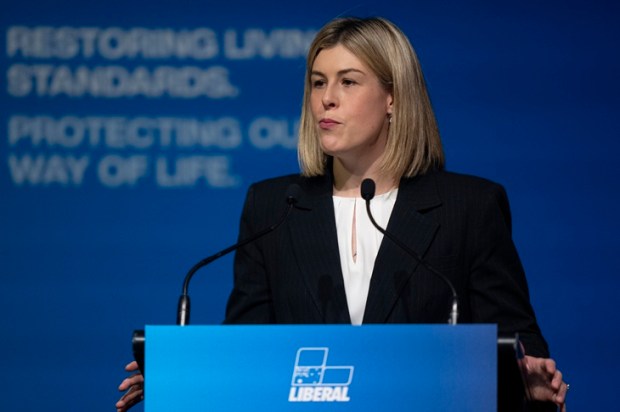
More recently, new Coalition leaders Angus Taylor and Matt Canavan called the estimated $600 million idea out for being a waste of taxpayer money.
‘This proposal, which would cost over $600 million for taxpayers, for hardworking Australians, is not what we need right now. Australians are in a cost-of-living crisis. They are in a fuel crisis. We have an economy that is not working for hardworking Australians, and the priority of this government appears to be increasing the size of Parliament. We don’t need more politicians. We need a government focused on the Australian people.’
The estimation of cost comes from costings done by the Parliamentary Budget Office on the Coalition’s request for an additional 24 Lower House reps and 14 new Senators.
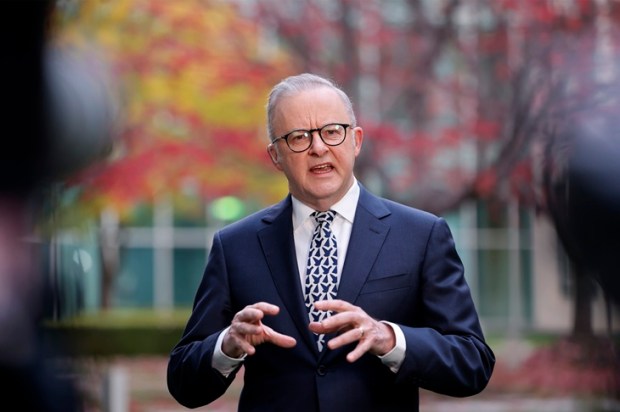
After the story was floated around for a while, which appears to be the modern version of a focus group, the Prime Minister has consulted his digital tea leaves and decided he’s satisfied with the size of Parliament.
What Albanese did not do was rule out a future policy.
As has been pointed out, Labor doesn’t need the Coalition’s permission to expand Parliament. It can do so right now if it wants. The only thing holding Labor back is public opinion, which is no doubt why the Opposition started screeching across the broadsheets.