From Kowloon: The final tally from the South Australian state election will take some time. That’s because something remarkable is unfolding … One Nation is no longer being counted as a mere preference flow to prop up the Liberals. Instead, as the counting is finalised, One Nation votes are being tallied directly against Labor. That single shift tells you everything you need to know about the strength of their showing. With about 22 per cent of the first-preference vote, One Nation has become a real political force.
Our preferential voting system has always rewarded the major parties. Preferences from minors have traditionally flowed back to Labor or the Coalition, keeping the two-party duopoly alive. This election is a whole new ball game. One Nation has polled so strongly on first preferences that it has leapfrogged the Liberals entirely.
The old ‘anyone but Labor’ reflex that once sustained the Coalition has fractured. Voters are no longer handing their preferences to a tired, directionless Liberal Party. They are directing them toward a party that actually speaks their language.
The numbers from the pre-election polling, now being borne out in the count, are eye-watering. One Nation is on track to receive a substantial taxpayer-funded election windfall under the Malinauskas government’s new public-funding regime.
The formula is straightforward. In One Nation’s case, $6 for every vote up to the first 10 per cent, then $5.50 thereafter, capped only by actual campaign spend. Assuming the turnout and vote share hold, millions in public money might be heading One Nation’s way, replacing the political donations the Malinauskas Labor government just banned.
But the windfall does not stop on election night. Depending on how many One Nation members are elected, the party is also in line for ongoing administrative funding to cover offices, staff, training, and operations. That funding, plus the potential for policy-development support and other streams, gives One Nation the resources to build serious, professional policy machinery.
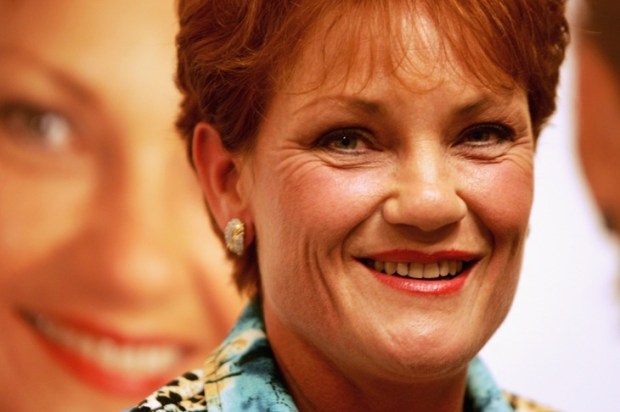
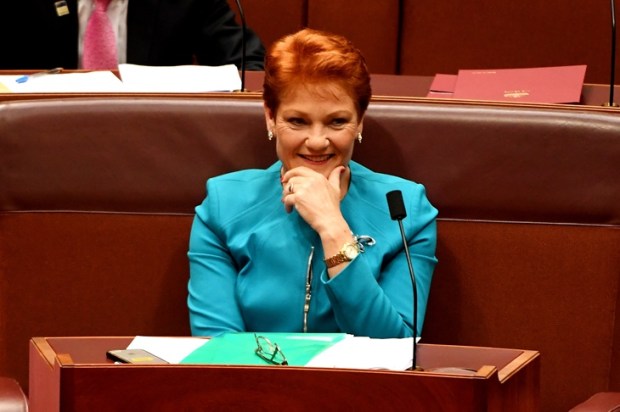
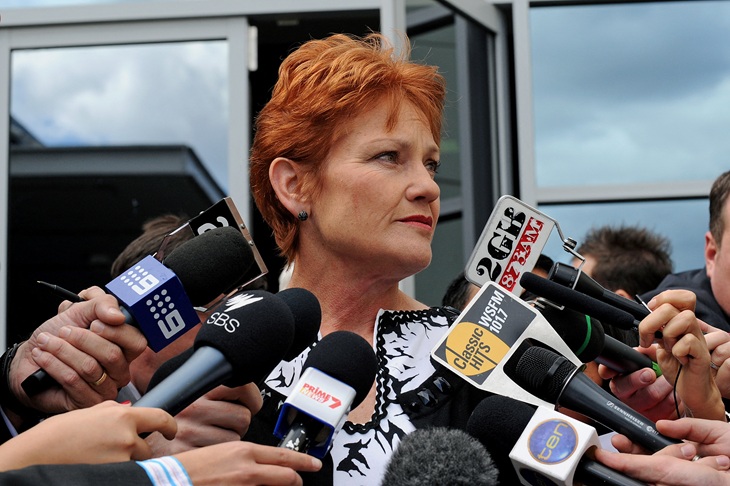
This is not the One Nation of the 1990s that Tony Abbott tried to bury. In the early 2000s, as a Howard government minister, Abbott helped orchestrate the campaign that saw Pauline Hanson convicted of electoral fraud and thrown into prison. The conviction was later overturned on appeal, but it was clear the political establishment would use every lever, including the courts, to crush a populist challenge.
Hanson survived and the establishment’s contempt for her voters only hardened.
After his win, re-elected SA Premier Peter Malinauskas said the quiet part out loud, reported as ‘winning voters back from One Nation is a two-party challenge’. He, too, doesn’t realise that the Uniparty is on the nose. It’s not just the Liberals.
Today, One Nation is no longer a protest vehicle. It has elected members in the federal Upper House and a former Deputy Prime Minister in the House of Reps by defection. Now, thanks to the result in South Australia, One Nation is on the cusp of increased representation in other state Parliaments.
With public funding secured, One Nation will have the institutional capacity to develop detailed, costed policies on immigration, cost-of-living relief, energy security, and regional development. The days of ‘just complain’ are over. They can now compete on substance.
The Liberal Party decline, by contrast, looks terminal. They had their chance, indeed, multiple chances, to articulate a coherent alternative to Labor’s big-spending, high-tax, green-obsessed agenda. They blew it.
Internal divisions, policy timidity, and a refusal to confront the cultural and economic realities ordinary Australians face have confirmed the Liberals are irrelevant. Do not expect a recovery. The Coalition brand is toxic in the suburbs and regions where One Nation is now dominant.
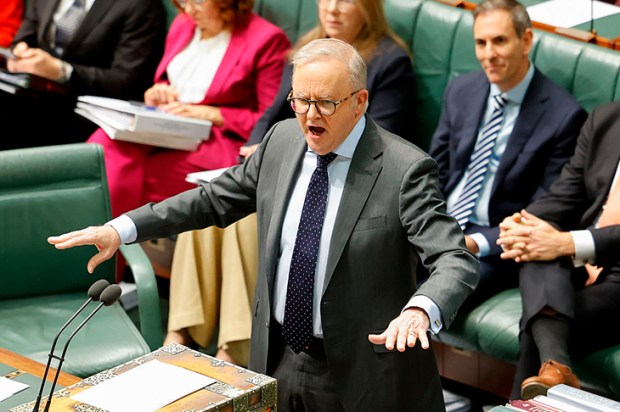
Labor will be quietly delighted by the Liberal wipeout. The demise of their traditional opponent hands them a clearer run. For now. But they should not pop the champagne just yet. Their wrecking-ball economy with its spiralling debt, energy chaos, housing unaffordability, and ideological overreach is already alienating the very generation that once trusted big-government solutions.
When young voters fill up their cars, go shopping, or eat out, they’re waking up to the fact that the government doesn’t have all the answers. It never has. The same electoral pain that punished the Liberals will eventually punish Labor, especially when the bills for their progressive fantasies come due. A mining or bracket-creep windfall won’t cure the current crisis.
Kowloon today is a metaphor for the Liberal Party. I have visited this place many times over the last 20 years. Its mad hustle and bustle is a far cry from polite and beautiful Korea. But Kowloon’s Nathan Road isn’t the same now the neon lights are gone. Its original, innovative, and creative culture is being consumed by the mainland’s staidness. Nathan Road will never get back its raw and grungy feel. It went out with the neon lights.
In the same way, the Liberal Party will never again be the party of individual freedom, free enterprise, and the family. When Tony Abbott turned out the lights, his successors kept the party in the dark.
In the meantime, South Australia and the nation face a rough ride.
But at least the duopoly has been cracked. One Nation’s breakthrough proves that voters are no longer content to choose between two versions of the same managerial class.
The old parties have had their turn. And they’ve failed.
Dr Michael de Percy @FlaneurPolitiq is the Spectator Australia’s Canberra Press Gallery Correspondent. If you would like to support his writing, or read more of Michael, please visit his website.