While we celebrate the heroism that saved many lives on board Flydubai flight 1073, we should take the opportunity to ponder the lessons the Israeli response holds for Australia.
At one level, the heroes of the flight had the technical resources, especially skills in close combat, that saved lives. At a deeper level, however, the flight and the souls on board were saved because of a culture from which Australians could learn a great deal. The most vital difference is that Israel trusts and empowers its citizens, whereas Australian governments and police forces treat theirs with paternalistic mistrust.
On numerous occasions, armed Israeli civilians and local defence volunteers have intervened in or stopped active terrorist attacks. In Israeli culture, individuals bear primary responsibility for their own security and the safety of those around them. While they know the IDF and police will respond to a threat, in the crucial first seconds of an attack, Israeli civilians act as first responders.
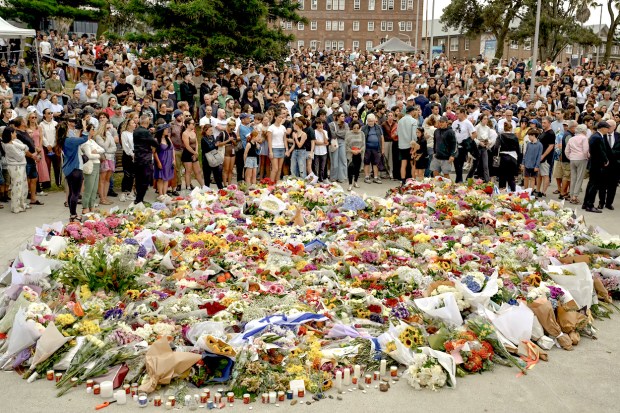
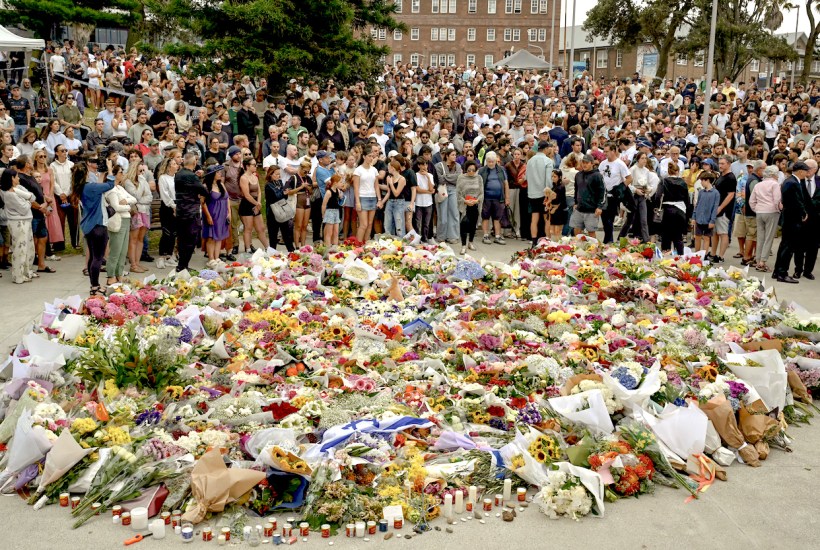
The contrast between the Israeli and Australian governments is laid bare by comparing their responses to October 7 and the Bondi massacre. Following October 7, the Israeli National Security Ministry fast-tracked and approved hundreds of thousands of new firearm licences for civilians. After the Bondi massacre, the people hit hardest by the government response were not the ideologues who fostered the terrorism, but law-abiding farmers, hunters, and recreational shooters. That is, the people targeted were the sorts of people who pose no threat of mass murder.
A non-terrorism case illustrates the absurdity prevalent in Australian culture. In June 2026, Keith Blessing and his wife were subjected to a violent knife attack in their home. After suffering severe abdominal and internal injuries, Blessing was able to retrieve his legally owned firearm, shoot the alleged attacker, and save both of their lives. Initially, NSW Premier Chris Minns and the police publicly praised Blessing as a hero. Yet, by September 2026, the NSW Registry had revoked his licence and seized his firearms, declaring him ‘unfit’.
The dichotomy is clear. In Israel, citizens are entrusted with responsibility for their own safety. The government and community acknowledge that the police and army cannot save everyone in an immediate emergency. As the adage goes, when seconds count, the police are minutes away. In Australia, self-defence laws appear to be vague and unclear. Citizens seem to be expected to endure violence and wait for help, with the best outcome often being an investigation and prosecution after the fact.
Another cultural divide is that Israelis do not surrender to political correctness when countering terrorism. In other countries, one can be left bewildered by the sight of American TSA agents subjecting a frail grandmother to an intrusive search, or Australian airport security targeting a Rabbi for humiliating treatment, all under the vague guise of weapon screening. The relative success of Israel versus other nations in preventing terrorist attacks is best explained by the saying, while the West looks for weapons, the Israelis look for terrorists.
In a previous piece, I referenced Israeli counter-terrorism specialist Lt. Col. (res.) Itay Gil, who last year predicted that Australia would suffer a terrorist attack. After his prophecy came true, I asked him what we must do to prevent another tragedy like Bondi. He explained that, given police response times, immediate on-the-ground security is essential. He proposed something akin to a civil guard to deter or swiftly respond to attacks. Indeed, proposals have been made to allow the Community Security Group to carry arms at community gatherings. But doing what is necessary to protect Jewish Australians, or to protect any other community group, requires more than legal reform. It requires a cultural shift in Australia away from passive reliance on police response, an approach proven impractical by Bondi.
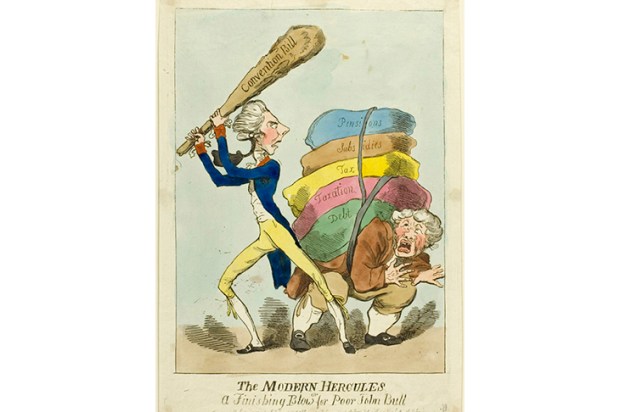
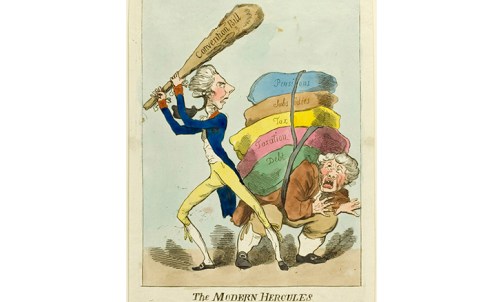
The essence of our cultural problem is captured well by the quote attributed to Clive James: ‘The problem with Australians is not that so many of them are descended from convicts, but that so many of them are descended from prison officers.’ Australia remains burdened by a culture of paternalism. Governments and police expect passive compliance. This mindset extends from law enforcement to AI surveillance in public places, vaccine mandates, and lockdowns.
We have much to learn from Israeli culture. True, their spirit of active citizenry manifests in the volatile politics of the Knesset. However, it is also a culture of modern-day Spartans that empowers civilians to take control in a crisis and save lives. They understand the harsh reality of waiting for help that often arrives too late. The best defence is an empowered, equipped, and trusted citizenry.
Another fundamental difference stems from history. The ‘Lucky Country’ was formed peacefully when six colonies federated via an act of the British Parliament. Israel, by contrast, emerged from the ashes of the Holocaust following centuries of brutal antisemitic persecution. The Israelis’ national consciousness is acutely shaped by their awareness of constant existential threats.
Australian culture often seems immune to this awareness. But malign forces do challenge our liberal democracy. Terrorists often threaten, ‘First the Saturday people, then the Sunday people.’ Extremists will not stop with the Jewish community. Before Australia is caught off-guard by its own existential crisis, we would be wise to learn what we can from Israel.
To be clear, I am not saying that we should arm hundreds of thousands of civilians. There are differences between the Australian and Israeli contexts. But what we can do, and indeed must do, is invert the current culture in which governments and police treat our people as passive, obedient, and reliant. We should consider the Israeli approach of affirming active and self-reliant citizenry.