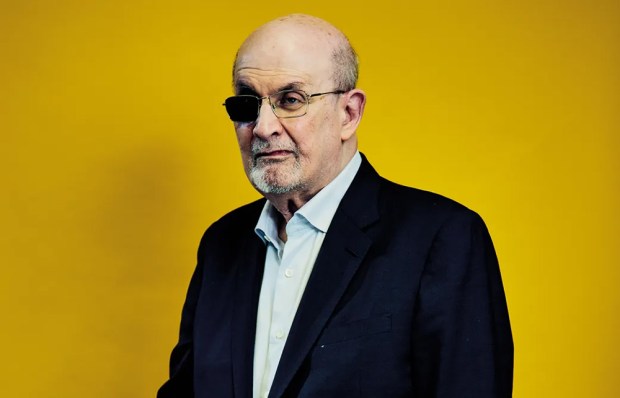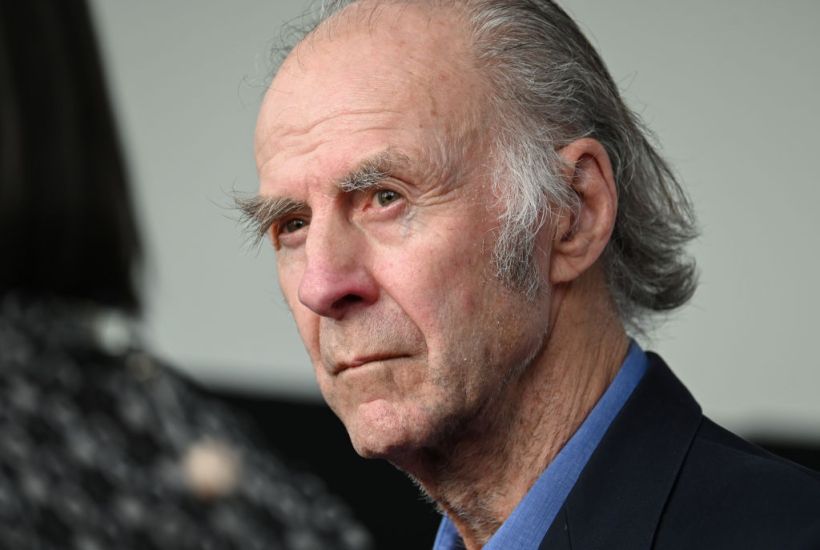
Sir Ranulph Fiennes reached the summit of Everest at the age of 65. After eight years in the military, including a period with the SAS (from which he was dismissed, having plotted to blow up a temporary dam built by 20th Century Fox for the 1967 film, Doctor Dolittle), he set out on a lifetime of adventures, any one of which would have been remarkable. With Charles Burton he was the first to reach both poles by surface travel, with Mike Stroud the first to cross Antarctica unsupported on foot. In 2000, impatient with a surgeon’s advice to allow his frostbitten fingertips time to demarcate, he cut the blackened ends off himself with a fret saw (the thumb took him two days). He kept the digits in a Kodak tin.
Few lives have demonstrated such a revealed preference for risk
Shortly after a heart attack and a coronary bypass graft, he ran seven marathons in seven days across seven continents, saying that in retrospect it was a bad decision. The allure is lost on me, but people find adventure in unlikely places. Two years before Everest, he climbed the North Face of the Eiger. Ranulph Fiennes, 3rd Baronet, has a fear of heights.
Two years ago, Fiennes vanished. Care Inspectorate Wales, in an email obtained by the Telegraph, said he’d been unlawfully deprived of his liberty. The paper said his wife had placed him in a series of care homes, and kept his friends, and the rest of his family, from knowing where he was. He was reportedly moved under a false name. At one home, people were apparently made to sign non-disclosure agreements before visiting him; at another, staff were allegedly told he was an ex-SAS man whose life was in danger from extremists (hence the need for such secrecy). He was taken outdoors in a hat, sunglasses, and gloves. The gloves would have been needed.
His Welsh care home raised concerns, and the inspectorate noted no authorisation under the deprivation of liberty safeguards had been obtained by his wife. Fiennes, it said, ‘is under continuous supervision and control, is not free to leave, and is not able to consent to care, treatment and accommodation.’ In 2014 the Supreme Court said, ‘a gilded cage is still a cage.’
In my working life, as a hospital physician, I have been responsible for depriving many thousands of people of liberty, possibly tens of thousands.
Wards mostly house the old and the frail, and at any one time more than half of my patients are ‘medically fit’, meaning they’re stuck – for weeks and often months – waiting to go somewhere else. The delay gets blamed on a lack of capacity; often the capacity that’s lacking is the patient’s own. Cognition goes as frailty sets in, and people can be desperate to return home even when living independently has already almost killed them – a trip in the kitchen, a night on the floor with a broken hip.
So we assess their capacity. The goal is not to test whether they’re making the right decision but whether they should be allowed to make a bad one. Can they understand and retain information, and weigh risks? Then they can do what they choose: we can try and persuade them, but it’s our job to support them even when we can see their choices are dangerous, foolhardy, and wrong. ‘A person is not to be treated as unable to make a decision merely because he makes an unwise decision,’ says the Mental Capacity Act. Fiennes’s unwise decisions have brought him a lifetime of applause, after all.
Fiennes’s wife holds lasting power of attorney over him; she is legally nominated to make decisions on his behalf now he appears to be unable to consent. That’s the extreme end of frailty, and it is right and proper that such mechanisms exist. But power of attorney may let her choose where he lives, not deprive him of his liberty. The care home has to apply for that, and independent assessments are needed. Any power sufficient to protect the vulnerable is sufficient to constrain them unjustly; that danger can be diminished by safeguards, but not abolished. In Fiennes’s case, at the time the inspectorate wrote, nobody had applied. Anyone deciding on his behalf, power of attorney or otherwise, must by law weigh his past wishes and feelings and character. Few lives have demonstrated such a revealed preference for risk.
Isaiah Berlin lived opposite my hospital and died, in old age, under the care of the doctor I share my office with. Berlin held there were no perfect solutions, only irreconcilable clashes: liberty can conflict with safety, autonomy with care. ‘We are doomed to choose,’ he wrote, ‘and every choice may entail an irreparable loss.’ Many of us will end with our capacity diminished, or supporting a parent or spouse who has reached that point. Fudges are what remain, and it can be comforting to remember they were all we ever had.
I have seen people look on the loss of their house with despair. And I have watched many flourish when it happens. Care homes can be miserable, but many are not. I have known people go from a precarious and lonely independence to discovering friends, and a reason to get dressed. Death closes all, but something ere the end may yet be found. Made weak by time and fate, we remain explorers, and old age our final expedition.