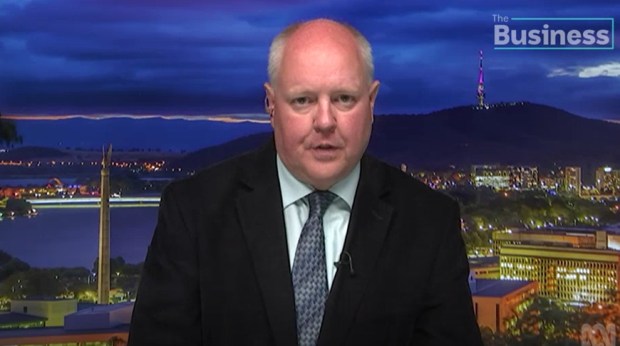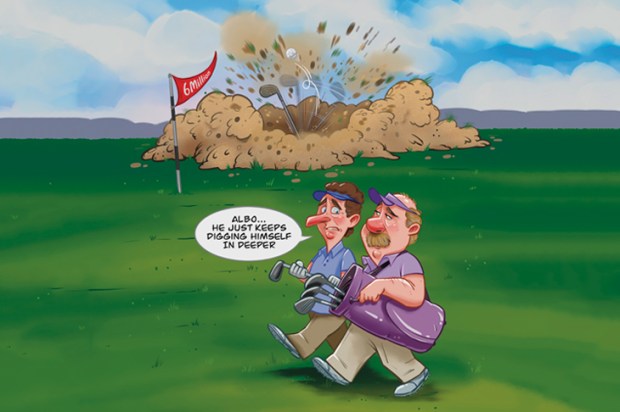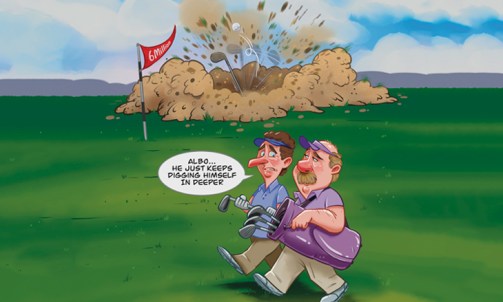
Watching Konrad Benjamin from Punter’s Politics and Sam Bamford from 2 Worlds Collide take pot shots at each other, I’m reminded of Statler and Waldorf, the two old blokes in the balcony on The Muppet Show. Give them microphones and an internet connection and apparently this is what happens.
To be honest, I follow both of them. They’re engaging and they make worthwhile contributions to our political conversation. I don’t agree with everything either says. That’s part of the point. If agreement were a condition of listening, most of us could replace our podcasts with a bathroom mirror.
In my opinion, their childish displays, however entertaining, have other online commentators reviving calls for an American-style Bill of Rights enshrining freedom of speech in our Constitution. I respect their passion and, in many cases, their courage, but neither is a substitute for understanding how politics actually works.
When it comes to the enthusiastic and rapidly expanding podcast scene, there are some who can’t tell the separation of powers from a powerboard, yet they’re apparently ready to rewire our system of government. The exposure draft of the Online Safety Amendment (Digital Duty of Care) Bill has, I believe, fuelled that fire.
Among other things, I have heard the argument made that a well-written constitutional guarantee could strengthen free speech and knock out bad restrictions. It might. But words don’t interpret themselves. We could vote for one thing at a referendum and discover years later that judges think we approved something quite different. People seem awfully keen to rebuild a system they don’t appear to understand.
Start with Australia as it is now. Up to now, our common law system has generally worked on a simple rule: anything that isn’t forbidden is permitted. You don’t need the government’s permission to speak. Canberra, naturally, has treated that as an invitation to add more and more things to the forbidden list.
We also have what lawyers call an implied freedom of political communication – a spectacularly long name for a fairly narrow protection. It stops governments going too far in restricting political debate, but it isn’t a general right to say whatever you like. Judges already decide where that line sits.
Putting an express right into the Constitution might move that line and give speech stronger protection. But it isn’t a magic bullet. Parliament would still pass speech laws and the courts would still decide whether they went too far. The rulebook would change; the referee would not.
The biggest change that most people miss is that more of the argument would move beyond the ordinary reach of voters. If Parliament passes a bad law now, we can pressure MPs to repeal it and throw the bastards out if they refuse.
Under this proposal, Australians would first vote at a referendum to put a right to free speech into the Constitution. However, we would be approving the words, not deciding exactly how they applied. If and when it was challenged, the High Court would decide what those words meant in practice – and therefore how much protection we actually had. Every other court would then have to follow that ruling. Parliament could still scrap a bad speech law, but it could not change the meaning the High Court had given our new right. That would take a later High Court decision or another referendum. In practice, a referendum only happens if the government wants one, and it costs hundreds of millions of dollars. Fat chance of that happening if the government wants more restrictions on speech like this current one does. We could climb out of the parliamentary frying pan and land in the judicial fire.
Naturally, the online peanut gallery’s answer is predictable: ‘But it works in America.’ Look at the First Amendment, they say. Americans can say almost anything, and the courts will protect their right to say it. Fair enough. America has one enormous advantage, though: a head start. Its First Amendment is only a sentence, but behind it sit more than two centuries of constitutional history and generations of judgments. An American judge doesn’t start with a blank page or simply decide what feels fair that morning. Higher courts bind lower courts, and earlier cases tell the next judge where the lines have been drawn. Some of America’s strongest speech protections actually came from liberal judges. That is the point: established law can be stronger than the politics of the person applying it.
Australian judges could look to those American cases, but they would not be bound by them. We would be starting our own binding line of cases now. Our first High Court decisions would do more than determine whether one law survived. They would set the rules used in the cases that followed. One judgment becomes the authority quoted in the next, and before long a line of cases becomes the law. If the first rulings read the right narrowly, the deck would be stacked against everyone who came afterwards. Those first cases wouldn’t simply apply the right. They would lay its foundations.
That is why the Australia of today matters. Had a right to free speech existed since 1901, we would now have more than a century of Australian cases behind us. Instead, we would be asking today’s courts, shaped by today’s culture, to start building that history now. Unfortunately, the Australia of 2026 has become far too comfortable treating an offensive opinion as a problem for the authorities to solve. The person demanding its removal claims the moral high ground; the person defending the right to say it is asked why they’re supporting hatred. You can now call for censorship and expect applause for your compassion.
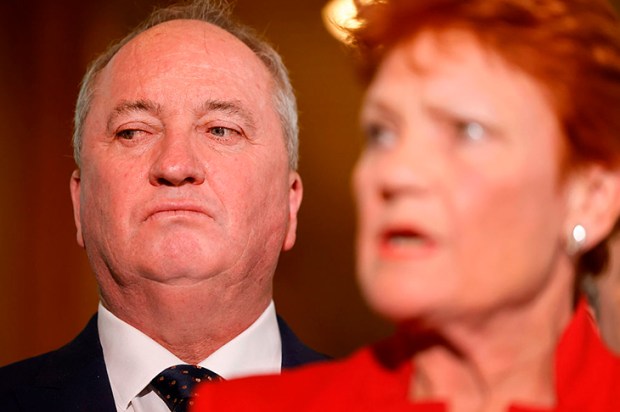
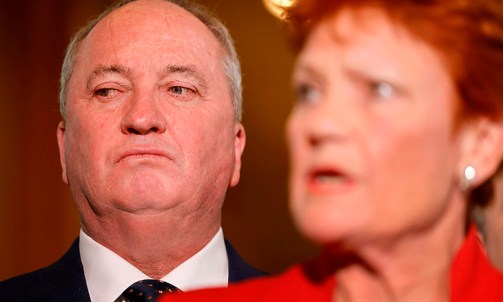
You can see that culture in Pauline Hanson’s failed appeal. The Full Federal Court accepted that the racial vilification law could require self-censorship, yet upheld it. You don’t have to approve of Hanson’s language to see the point. The court knew speech would be restricted and decided the restriction was worthwhile. A referendum would change the words, not the legal instinct that produced that judgment. The right would be new. The judges interpreting it, and the culture shaping their decisions, would not be.
And here is the part I find extraordinary. Many of the same online talking heads complaining that the bureaucracy is too powerful and ordinary Australians have too little control over their country want to hand the final meaning of our most important freedom to an unelected and increasingly Woke judiciary. That is quite a leap of faith from people who claim to have none left.
None of this makes constitutional protection worthless. It means it isn’t an easy cure. If Australian institutions have lost their respect for free speech, moving power from one institution to another won’t bring that respect back. Distrust of politicians is understandable. Blind faith in judges is hardly an improvement.
The fact is, our existing system is a bloody good one for one simple reason: bad laws can still be changed by people we elect. Judges may interpret them and bureaucrats may enforce them, but Parliament can rewrite them – and ‘we the people’ choose Parliament. If politicians restrict speech, we can pressure them, vote them out and elect people who will repeal the law. At this point, putting free speech in the Constitution may be too little, too late. We could end up replacing politicians we can sack with judges who get the last word and never have to face the voters. That isn’t freedom. It’s a black-robed ruling class.
Which brings me back to Konrad and Sam. I want them to keep arguing. I want their audiences to hear things that irritate them and answer back. Stronger legal protection may help preserve that freedom. But before we give Statler and Waldorf a constitutional balcony, we should check who gets to switch off the microphones.