‘Never ask a liar why they lied. To explain it, they would have to lie again.’
Online, the quote is attributed to Fyodor Dostoevsky, even though he does not appear to have said it. Regardless, it captures something important about modern politics.
The lie itself is rarely the problem. The problem is everything that comes afterwards. The explanation. The justification. The insistence that what voters were told before the election somehow means something entirely different after it.
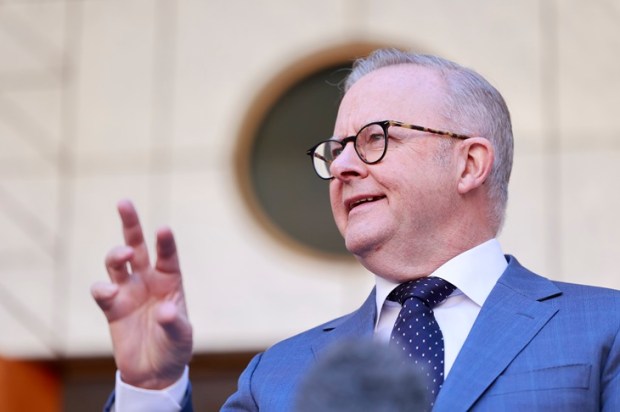
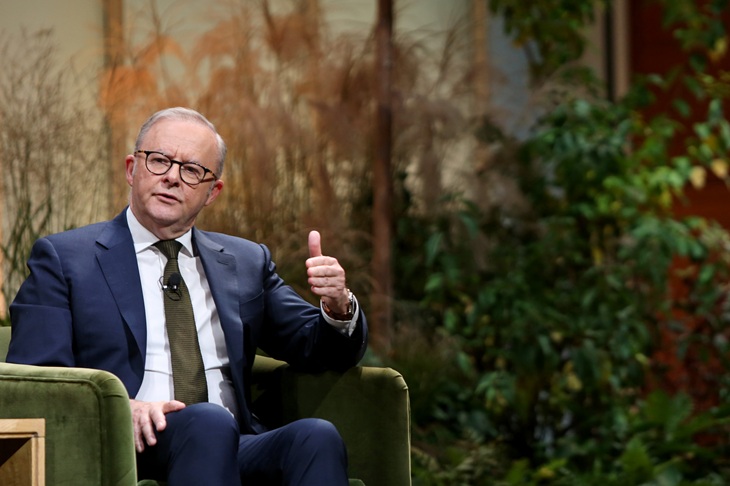
Anthony Albanese’s latest tax proposals are merely the latest example. Australians were assured there would be no changes to negative gearing. No surprises. No hidden agenda.
The election came and went. The conversation changed.
Now voters are being told circumstances have evolved, difficult decisions must be made, and previous commitments need to be reconsidered.
Perhaps they do. But that is not really the point.
The point is that Australians have seen this movie before. Many times.
Scott Morrison campaigned as a fiscal conservative while presiding over an explosion in government spending and debt. Malcolm Turnbull promised one thing and delivered another. Kevin Rudd abandoned key commitments. Julia Gillard famously discovered the political cost of breaking one.
The names change. The pattern remains. Win power first. Explain the contradiction later. Then explain why the explanation was necessary.
For decades, Australia’s political class has treated this as normal politics. The assumption has been that voters will eventually move on, forget the details, and return to the major parties at the next election.
Increasingly, they are not.
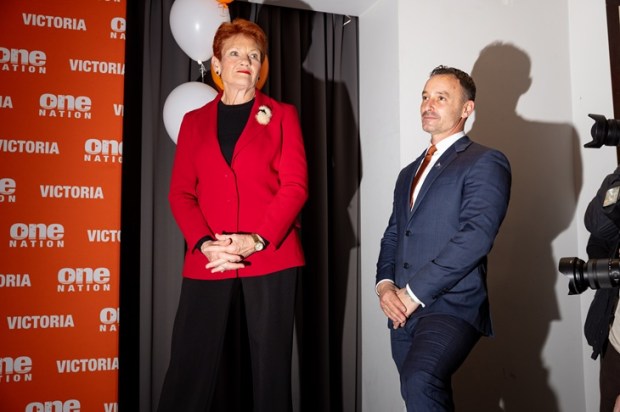
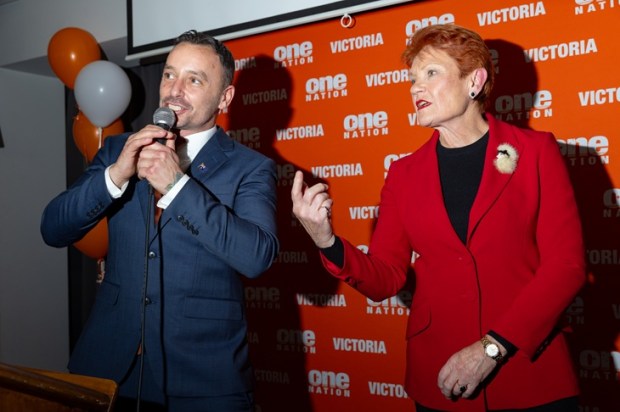
That is why so many commentators misunderstand the rise of Pauline Hanson and One Nation.
The conventional explanation focuses on migration, cost-of-living pressures, or cultural anxiety.
Those things matter. But they are not the whole story.
The deeper issue is trust. Or more accurately, the collapse of it.
For much of Australia’s modern history, voters disagreed about policy but broadly trusted the institutions and people making it. They might not have liked a Prime Minister, but they generally believed he stood for something.
Bob Hawke believed in reform. Paul Keating believed in productivity. John Howard believed in aspiration. Even Peter Costello believed that wealth creation was the foundation of prosperity.
You knew where they stood.
Today’s political landscape feels different.
The major parties increasingly appear less committed to a coherent philosophy than to the management of competing interest groups. Policies shift. Positions evolve. Principles bend. The objective often appears not to govern according to a vision but to survive the next news cycle.
Voters notice.
They may not follow every budget measure or every policy announcement, but they understand inconsistency when they see it. And they understand when they are being asked not to believe their own experience.
They are told the economy is strong. Yet housing is less affordable. They are told the fundamentals are sound. Yet groceries cost more, electricity costs more, and insurance costs more. They are told everything is working. Yet life feels harder.
Perhaps that is why Pauline Hanson continues to confound political commentators. Her appeal is not that Australians suddenly agree with everything she says. Many do not. Nor is it that she has been right about everything. No politician has.
Her appeal is that she has spent nearly thirty years saying largely the same things.
The country changed. The major parties changed. The media changed.
Yet Hanson remained remarkably consistent.
Voters may find that consistency admirable or infuriating. What matters is that they recognise it.
In an age where political positions are endlessly revised, consistency has become a scarce commodity. And scarce commodities tend to increase in value.
This should concern every politician in Canberra.
Because the rise of One Nation is not really a story about Pauline Hanson.
It is a story about what happens when credibility collapses.
For years, Australia’s political class has comforted itself with the belief that voters have nowhere else to go. That broken promises, policy reversals and convenient explanations are simply part of the game.
Perhaps they are.
But every broken promise carries a cost. Every contradiction erodes trust. Every explanation that sounds suspiciously like yesterday’s excuse chips away at credibility.
Eventually, people stop listening.
And when that happens, they start looking elsewhere.
The appeal of Pauline Hanson is not that Australians suddenly believe everything she says.
It’s that they increasingly doubt what everybody else says.