I was listening to a Sky News Australia interview following the shocking budget dropped by Jim Chalmers and his Labor friends.
One Labor-leaning commentator was doing their best to defend the indefensible – a budget that was so transparently going to do the opposite of what was claimed while taxing Australians through the nose.
In an attempt to give the government a pass on housing, the conversation moved to supply-side policies and how great the Labor government has been in this space. Hint, they haven’t. I believe it was said that ‘no one can build a house in six months’.
I work in the property sector. I see new homes being built in the span of five months on a regular basis. To say that it can’t be done in six shows a stunning lack of understanding of the industry.
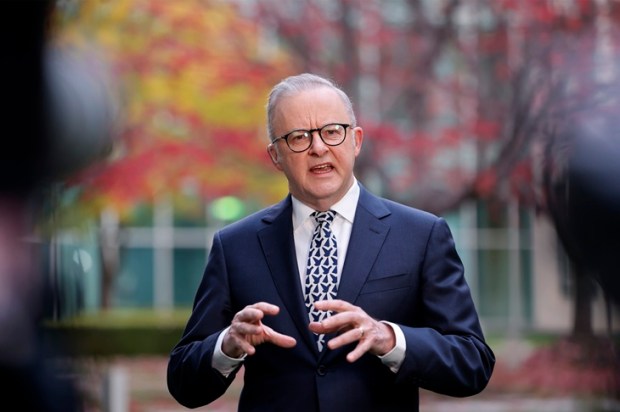
These are the people that have been, and continue to be, in charge of running the country.
Exchanges such as this display a lack of subject matter expertise coupled with blatantly incorrect statements expressed with conviction.
This is one example of many.
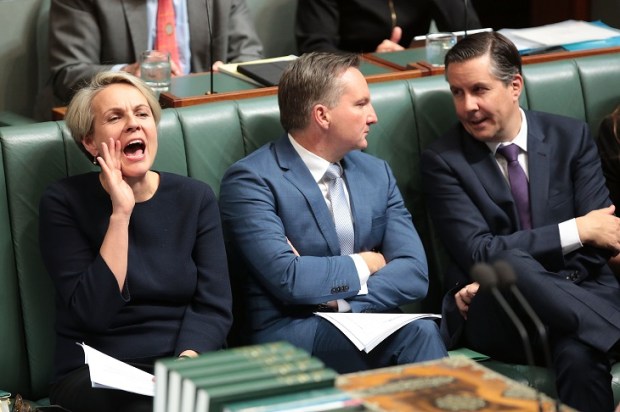
On a different note, our Finance Minister seems to struggle with basic financial concepts. Listening to them stumble through questions about gross and net savings during Senate Estimates makes one question how well the government understands the issues it is facing.
The Energy Minister also appears to have a tenuous understanding of the sector. I can’t count the number of times we were assured that energy prices for households would drop by $275 a year in the lead-up to an election to curry votes.
In reality, energy prices have skyrocketed. While overseas conflicts and global market pressures are often cited as contributing factors, many Australians question why a country with abundant local energy resources has struggled to keep prices under control. Unfortunately, energy policy has increasingly become a political issue, particularly around election time.
There is nothing new about incompetency and individuals with a lack of vision in positions of power. It stretches back thousands of years.
In The Republic, Plato uses the allegory of the ‘Ship of Fools’ to discuss the problems with democracy and incompetent leadership.
The ship has three main groups/characters. The ship owner, who represents the people who are a powerful group, but shortsighted. The crew, who represent politicians. They are self-interested and mutinous while completely ignorant about navigation they fight for control of the helm. And then there is the navigator, who represents the philosopher. This is the only person qualified to steer the ship but is dismissed because of his focus on steering the ship rather than competing for influence.
The point is that in a democracy the loudest and most manipulative are the ones who win, rather than those with the best knowledge and ability of how to manage public affairs.
It sometimes feels as though we are on a ship of fools drifting without direction. And our politicians get up proudly in front of the nation to make announcements and speeches about how good of a job they are doing despite the harshest circumstances. First, it was the war in Ukraine. Now it’s the war in Iran.
Meanwhile, our economy is in shambles. Per capita GDP has been declining for years, there’s a housing crisis like never before because we can’t admit the obvious about supply and demand, our standard of living continues to drop and our interest rates are going up while every other developed nation in the OECD seems to have figured out how to tame inflation.
This is why many people feel frustrated with political leadership at every level of government. Too much focus is put on maintaining political power rather than addressing the long-term national challenges in a meaningful manner.
Thomas Sowell got it right about politicians decades ago. He said, ‘No one will really understand politics until they understand that politicians are not trying to solve our problems. They are trying to solve their own problems – of which getting elected and re-elected are number one and number two. Whatever is number three is far behind.’
Election after election, seemingly the same group of people seek re-election with no vision for the country and no prospect of real leadership.
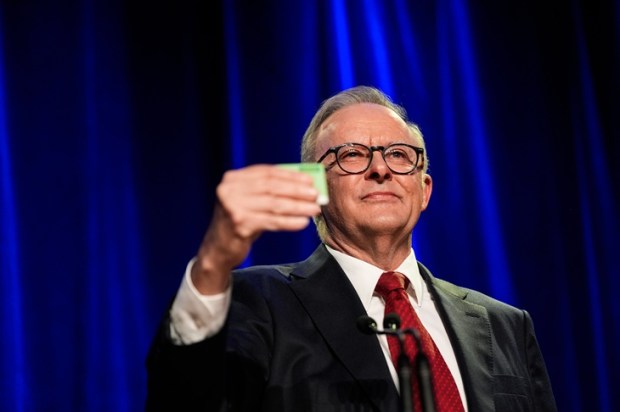
There is a palpable feeling among many Australians that every single politician over at least the last 20 years has contributed to the challenges we now face. Yet politicians continue to front the nation on television or radio and focus on non-existent achievements or progress instead of apologising for making the lucky country not as lucky as it used to be.
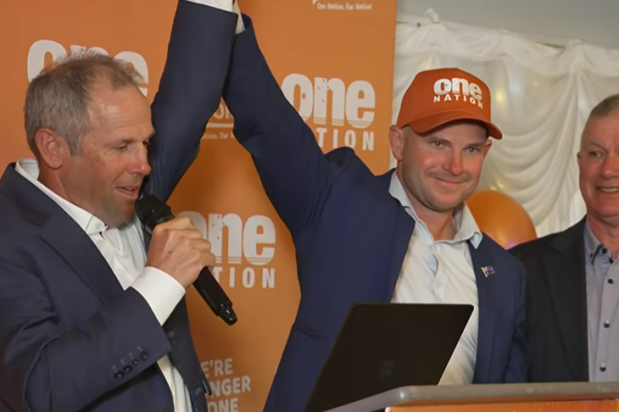
With national polling showing neither of the major parties above 30 per cent, Australians might finally be in for some change from the uniparty’s vice-like grip on power.
? NEW: Federal voting intention
? ONP: 32%
? ALP: 28.5%
? L/NP: 16.5%
? GRN: 11.5%
⬛️ OTH: 11.5%Two-party-preferred
? ALP: 55%
? L/NP: 45%ALP vs ONP
? ALP: 51%
? ONP: 49%L/NP vs ONP
? ONP: 51%
? L/NP: 49%Roy Morgan [SMS] | 13-14 May | n=2348
— AusPoll (@AusPoll6) May 14, 2026
There is currently a breath of fresh air in Parliament, with a whiff of change around the corner. Indeed, Angus Taylor’s budget reply speech was a step in the right direction on many fronts. We will only know whether it was sincere in time. After all, the coalition did have nearly a decade to enact those changes already.
With Pauline Hanson giving her own budget reply speech, there now appear to be leaders in our political system who are willing to discuss the uncomfortable issues and bring the absurdity to the forefront. We have the work ethic, resources and can-do attitude in Australia for a bright future. To use Plato’s allegory, I am optimistic that it is not too late to turn this ship around.