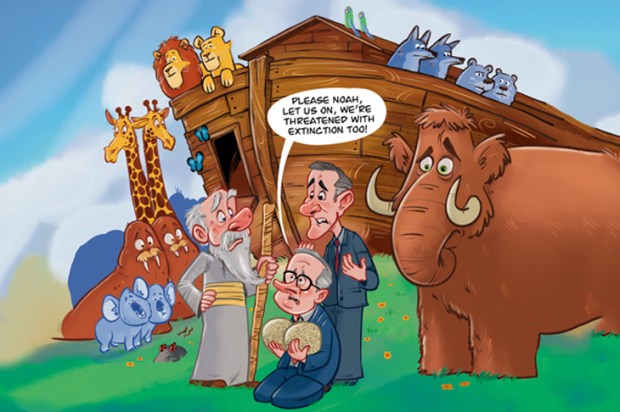
Hold on a moment… Conservatives are given plenty of stick for not being able to define what they stand for, but can we take a moment to roll our collective eyes at the Teals?
Sorry. Not the ‘Teals’. The Community Strong Australia Party.
Which might be the dullest drivel to seep out of the dank innards of the Canberra swamp.
We can almost call it now. This is the end of the Teals.
Every good retailer knows that marketing is everything, and the Teals had a brand. Not a good one. But it was a recognisable identity. One you sort of … stepped away from, careful not to break eye contact, whenever it popped up near a voting booth.
As far as we can glean from recent reports, the general vibe going forward is to operate as a party rather than a matching shirt coincidence with colour-coordinated websites and a small pool of sugar daddies.
What does Community Strong mean?
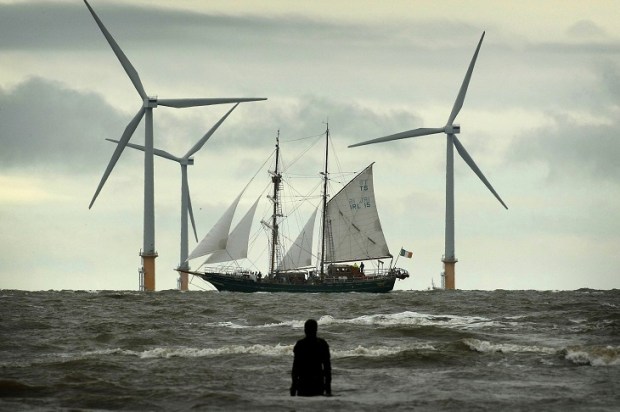
It’s invoking Kumbaya in Prada, adorned with the feathers of whatever local wildlife got clipped by the nearest wind turbine.
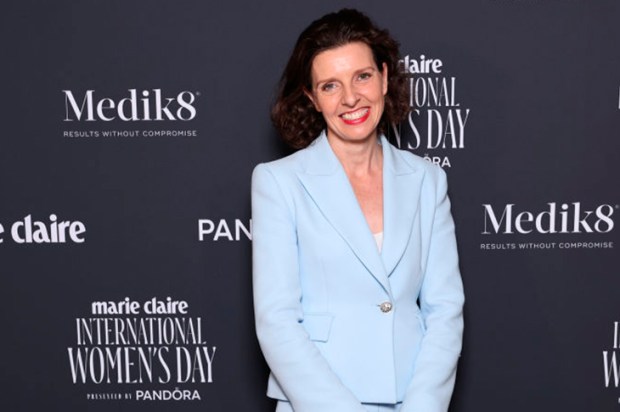
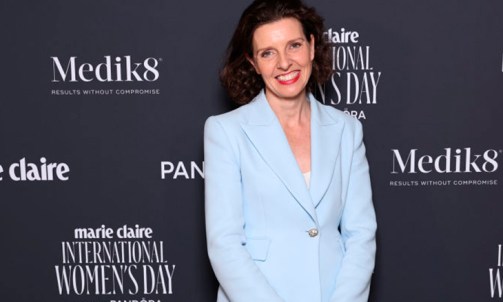
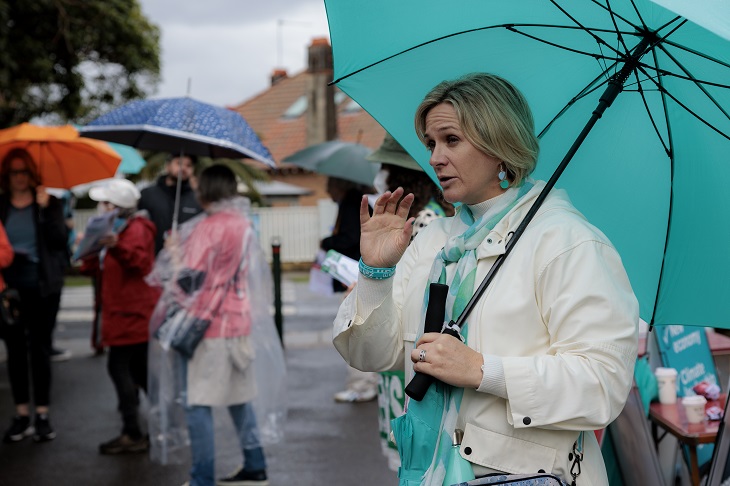
The masterminds behind the project are Teal independents Allegra Spender and Zali Steggall. Although not officially a party yet, they spent last week giving us little hints about what it might look like.
Structurally, there would be no leader. It would be a collective of equal individuals who would ‘collaborate’ on policies where it would not be ‘about choosing between independents and parties, but combining the strength of both’.
They admit the party would probably need a spokesperson of some kind.
No doubt, they will have to appoint a leader eventually. Whether they like it or not. Even history’s top-tier collectivists, the communists, had structures of leadership. We could explore how the party intends to resolve policy disagreements, but it is infinitely more fun to wait and see.
When asked who this party is for, Steggall replied that it was ‘for individuals who care about our politics, who will have the capacity to contribute, whether that be big or small, to enable a new choice at the table of our politics’.
Which is a flat definition of political engagement that managed to reveal nothing.
Pressing for a stronger definition of the party values, Spender reiterated that they were ‘really connected to the community’, that they are ‘centrist’ (although no definition of centrist was offered), and that they want a focus on ‘sensible economic management, climate action, integrity, equality’.
At this point, most observers are assuming they’ll be ‘Teals’ with a more favourable electoral funding arrangement after Labor and the Coalition ganged up to tilt the legislation away from independents. Mostly to vex the Teals. The Teals deny this had anything to do with the party.
‘If you’re … really driving innovation, but you also support climate change, where do you go? You have no home,’ added Spender.
Their target monoculture sort of sounds like the retirement-age businesspeople in Teal communities who drive their EV on a Sunday while the BMW is on loan to the kids, all of whom have significant investments in the renewable energy industry and work in some form of taxpayer-subsidised bureaucracy or private company receiving generous R&D grants. They’ve got solar panels on their roof, a heated pool, and a sturdy gate. They take two international holidays every year and fly business class around the country for work. The last time they caught public transport or walked was in the late 80s when environmentalism meant the Clean Up Australia movement and being a vegetarian was considered an extreme form of virtue eating.
Easily the most hilarious part of this story is that most of the Teals have no plans to join. Some even seem a bit hostile to formalising their independence into a leaderless collective.
Kate Chaney and Monique Ryan are two names that told the media they’re not particularly interested. Meanwhile other non-Teal independents were approached, including David Pocock, who said: ‘The feedback has been mixed on whether independents should actually look at forming some sort of party of alliance.’
It’s probably mixed because it becomes very difficult to support your elected area if you are subservient to the will of the collective rather than your own judgment. At least in a political party, this arrangement is known up front and taken to the people as a package deal. Independents would have to explain why they made the switch and how they can represent the demands of their area which might be at odds without members.
There was a clarification in their constitution (which you can read here) that members would be allowed to vote freely and would not be bound by a party-room position. Which makes them a very odd party indeed. Essentially, they have made the super majority the leader.
Actually, Steggall was asked about the difficulty of having a leaderless party, to which she said that this view was ‘a media construct of always thinking about leadership and power’.
It’s really a human construct linked directly to how our species organises social groups. Everything from families, friends, businesses, to governments require structure. Like biological sex, it is an immutable quality. But we’re not here to help the Teals. Sorry. Community Strong.
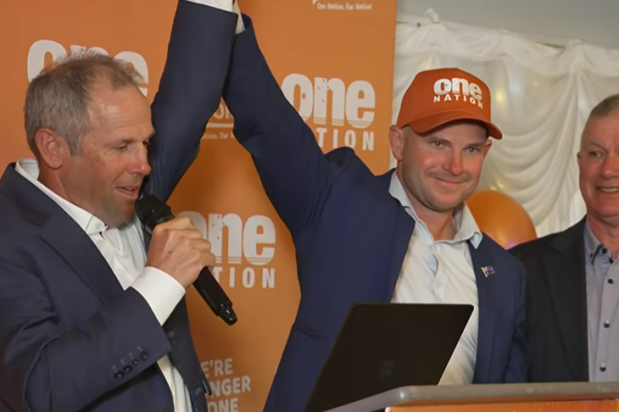
Part of the stated intent of the party is to combat the rise of One Nation with a credible centrist alternative.
I’ll leave it to you to work out if you’ve ever met a One Nation voter who considered voting Teal. They might attract a few of the wettest demoralised Liberals, but it is hard to see how any defecting MPs would make the transition from an ancient party machine to a commune.
As for pitting themselves as a serious threat to Pauline’s polls, they’ve got about as much chance as Andrew Hastie announcing a duel at dawn only for Hanson to watch him over the top of her coffee from the safety of a nearby cafe while he fumbles around, shooting himself in the foot.
The closest the Teals get to ‘likeable’ is when they tie those tiny scarves around their dogs on election day. The dogs are doing the heavy lifting. I followed one right up to a HTV card once. Close call.
‘The community independent movement has shown what’s possible when people unite around shared values and practical solutions. Community Strong Australia is about extending that opportunity to more Australians,’ said Steggall.
‘Australia is at a turning point, and people are worried about what the future holds. Community Strong Australia offers unity over division and reason over rage. At a time when others are promoting conflict and hate, I feel a strong sense of responsibility to provide a real political alternative and promote a positive narrative about what Australia is and what we can achieve together.’
Spender also added her thoughts to the current political atmosphere. ‘People have been approaching me since the election … saying “we need something different here, we are concerned about the extremists in our country, and we want to make a difference in this country, but we need you guys to come together”.’
Something tells me they were not referencing Islamic terrorist extremists in this context.
‘I was overwhelmed by people from around the country saying “please do this because we need an alternative political force. I don’t feel represented. I don’t know where to go”.’
The problem for the Teals – urgh! – Community Whatsit is that their main rival is not One Nation. It’s not the Coalition. It’s not Labor or their Bunnings paint square-adjacent friends in the Greens.
It is the rapid death of Net Zero and renewable energy across the world.
The core of their movement is falling out of fashion.
Climate catastrophism is unravelling.
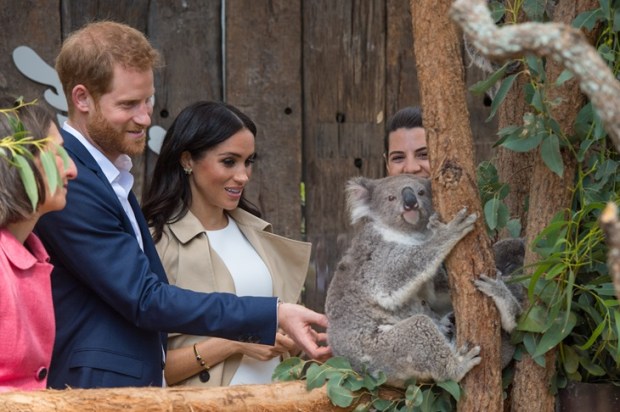
People are sick of spending money on technology that, largely, does not work as advertised and ends up in a landfill. Perhaps this is why the Teals are performing a very careful pivot into a diversified set of policy agendas, framing it as way to combat the scary orange voters… It is not as if they could admit to the collapse of their primary ideology. The Greens did something very similar by switching from environmentalism to pro-Palestine communism blurred with a bit of ‘whatever the radical current thing is’ activism. It’s a moving target. One that is moving away from the trees and koalas.
The climate dinner party is over.
Everyone is starting to leave the table.
And if the Teals aren’t careful, they will be left holding the collective bill at the next election.
Flat White is written by Alexandra Marshall. If you would like to support her work, shout her a coffee over at donor-box.