Georgian dining, if you were wealthy, was an incredible experience. Everything, from the location to the furniture, was carefully planned and meticulously executed to really hammer home the taste, status and impeccable education of the host. This was of course regardless of the actual likings, wealth and intellectual leanings of the party-giver. One of the delights of Amy Boyington’s book is the descriptions of the many, frequently ghastly, aristocrats whose country pads feature. There are murderers, adulterers, gluttons and spendthrifts. They did eat well, though.
The Country House Dining Room is a Yale publication and, as such, can be expected to err toward the academic and the artistic. That it does, concentrating on architectural planning and design along with the decor of 18th-century dining rooms. It is underlain by quality primary research and a deep dive into key examples, including Holkham Hall, Houghton and Goodwood House.
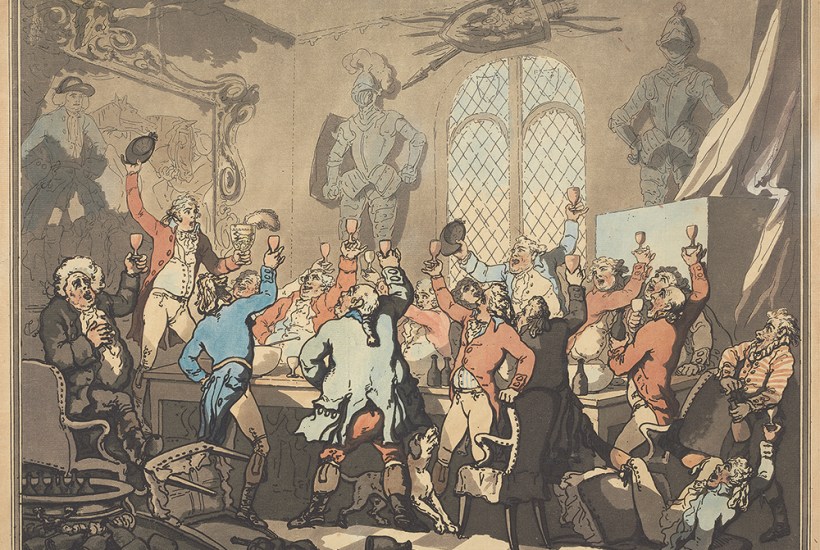
Boyington’s credentials are impeccable. She’s an architectural historian and expert on female patronage in the 18th century. It is refreshing to read a book which properly highlights the role women played in managing estate finances, as well as in designing their houses. We hear from patrons, architects and onlookers in their own words, whether it’s the Duchess of Marlborough pointedly rejecting a south-facing dining room or La Rochefoucauld being awed by how much the English drank. The book is beautifully illustrated in colour, with a range of contemporary sources, from architectural plans, to portraiture, satire and photographs of the rooms now. There are, however, a few too many portraits of people and not enough of feasts.
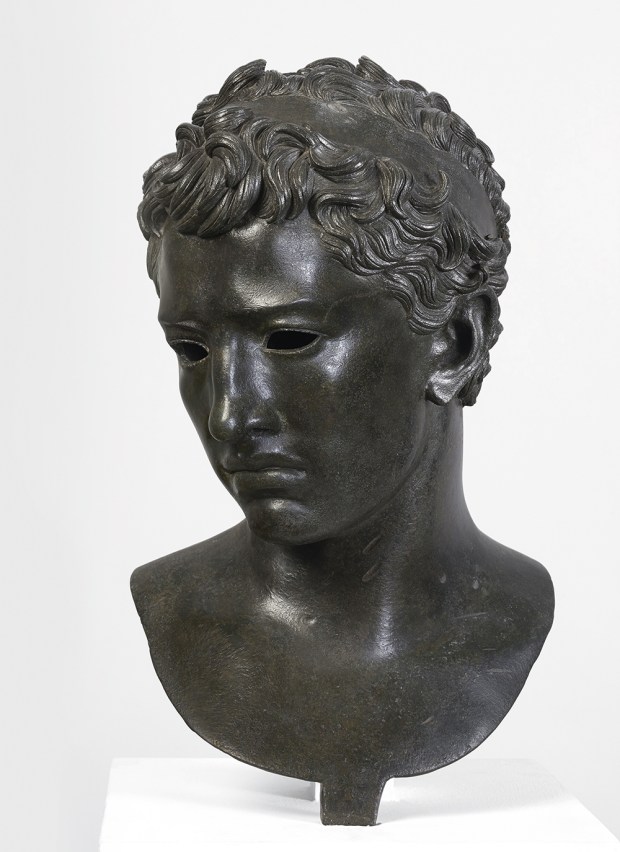
The level of thought which went into dining room decor was remarkable. We’re probably all familiar with National Trust houses, and realise, subconsciously at least, that dining rooms are often marked by vine swags around the fireplaces or busts of classical gourmands. Boyington systematically charts the changing fashions of the time, with examples of where we can see them. Over the course of the century, design schemes moved from baroque splendour through to neo-classicism, into the drama of the neo-gothic and thence to Egyptian Revival. Paintings, meanwhile, were carefully chosen to echo food themes – hunting, pastoral landscapes and still lifes – as well as communicate a family’s lineage and connections. This explains the invariable inclusion of a couple of dead monarchs in most country house dining rooms, as well as conversation pieces showing the host, his wife and their children (including those who died in infancy, present as winged cherubs).
Practicalities were paramount, with chairs covered in wipe-clean leather and silk wall hangings banished in favour of paint which wouldn’t retain bad smells. Boyington is good on the ways in which the nitty gritty of serving dinner was incorporated into grandiose decorative schemes, from concealed doors to service corridors, to water piped into serving buffets to enable the rinsing of dishes. She has a short but informative section on chamber pots (what else do you think the curved cupboards of the sideboards were designed to hold?).
But – and this is a big but – the book has a subtitle, ‘A History of Georgian Feasting’. To be a history of feasting, it would need to include the food, and the food is almost entirely lacking. If dinner was a performance, we need to see it performed. Set, props and cast are covered. Even the script is touched upon, through advice books showing the formalised way in which guests came together, were seated, and then separated after the meal. It is, however, impossible to really understand how people, be it diners or their servants, would have experienced a Georgian dinner without explaining the way in which it was plated, presented and planned. Service à la Française (even the phrase does not appear in the book) was a mind-bogglingly complicated way of serving, with multiple dishes simultaneously presented in two courses, plus dessert. The way they were placed on the table could be used to indicate status and gender, and, with no written menus or instructions, the whole thing was a demonstration of exclusivity and a test for anyone not born to the bon ton. Repeatedly we hear about multiple courses, and we even have lists of dishes – but even when the vague explanation comes, right at the end of the book, it is too little too late.
There’s no real reason for Boyington to cover, in detail, the food of the period: this is an architectural study. But I can’t help feeling that digressions into attitudes toward dieting or slightly contradictory discussions of procurement could have been trimmed to allow for just a bit more explanation of what the dining room was really for. Even a few paragraphs in the opening chapter would have done it. Without the subtitle, it would have been a reasonable meal. As it is, it left me feeling undernourished.
Got something to add? Join the discussion and comment below.
You might disagree with half of it, but you’ll enjoy reading all of it. Try your first month for free, then just $2 a week for the remainder of your first year.