The England Cricket Board is appointing a new national selector: the window for applications closes today. If they get a good man in position quickly, it’ll make all the difference: a team’s performance is determined, obviously, by the 11 players on the field so it’s essential to get the right ones out there.
Crass errors in selection led to an embarrassingly poor England side being comprehensively outplayed, yet again, in last winter’s Ashes series. Against an Australian side lacking several of its best players, we were 3-0 down – the five-match series already a dead rubber – after barely 11 days of cricket.
As a new cycle of international cricket begins, the new selector should make immediate, wholesale changes
Of the 15 players who took the field for England at various points during that five-match series, the two – Jacob Bethell and Josh Tongue – who emerged with their reputations enhanced were only selected when it was already too late. Most of our bowlers were either injured, inaccurate or ineffective. Our batsmen were even worse, signalling their surrender in the very first Test. In a trademark display of immature, gung-ho, big-ego shot selection, Ollie Pope, Joe Root and Harry Brook all flashed outside off stump so that at a critically important point we lost three key wickets for no runs. It’s true that Root later scored two centuries – his first Test centuries in Australia coming in his fourth tour ‘down under’ – but more significantly he failed in seven of his ten innings.
As a new cycle of international cricket begins, the new selector should make immediate, wholesale changes. All the players found wanting in Australia should be replaced and new players given a chance to show what they can do. This summer’s two relatively low-key home series – first we play New Zealand, then Pakistan – provide an excellent opportunity to blood some youngsters in preparation for bigger challenges against India and Australia.
The sweeping changes in personnel that are needed have been put off for far too long. Zak Crawley has now played 64 Tests and averages 31.18; apparently the lowest average for any Test opener with such extensive experience. His partner at the top of the order, Ben Duckett, averaged only 20.20 in his ten innings against the Australians with a top score of just 42. Players knowing that they were unlikely to be dropped, however poorly they performed on the field (or conducted themselves off it), bred the complacency that led to the team’s debacle in Australia.
The demoralised players who failed in the winter shouldn’t be cast into the outer darkness never to play for England again but they will benefit from time out of the limelight to reflect on what went wrong in Australia and address the technical shortcomings that the Aussies exposed. Above all, they need to see that their poor performances have consequences. If they’re made of the right stuff, they will come back stronger.
Meanwhile the newcomers to the team shouldn’t be indulged in the way their predecessors were. Instead, each youngster should be told that he has just two games in which to suggest that he’s worth a longer run in the team. That sounds drastic but after years during which the England team has been a ‘closed shop’ – hard to get in or out of – there is a backlog of promising players all of whom need to be stress-tested. Over the summer’s six Test matches some much-needed new talent is sure to emerge; the healthy competition for places will give English cricket a shot in the arm.
If there are half a dozen new faces in the team for the first Test starting on 4 June, we’ll know that we finally have a selector with intellectual autonomy striving to give the coach and captain the players the team needs, rather than just the ones they like.
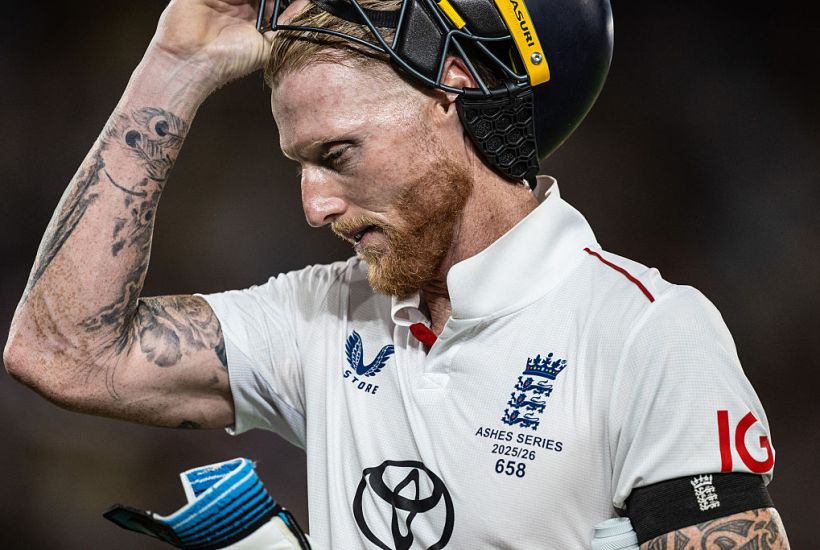
The danger is that the appointment is delayed so that selection for the first Test match on 4 June falls to managing director Rob Key, coach Brendon McCullum and captain Ben Stokes – the trio who oversaw last winter’s humiliating Ashes debacle. If that happens, expect a litany of well-rehearsed excuses to justify there being only a couple of cosmetic changes from the team that lost the last match in Australia. The worst thing that can happen is that in home conditions a largely unchanged team wins against New Zealand and Pakistan and last winter’s debacle is then dismissed as just a blip. If so, the next time we visit Australia we’ll be comprehensively outplayed. Again.