Lead book review
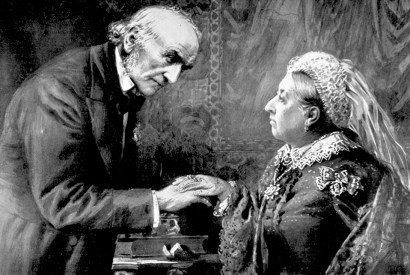
‘Enough to kill any man’: the trials of serving Queen Victoria
Of all the Queen’s prime ministers, Gladstone suffered the most from her wilfulness, but while he opposed her policies he did much to popularise her monarchy
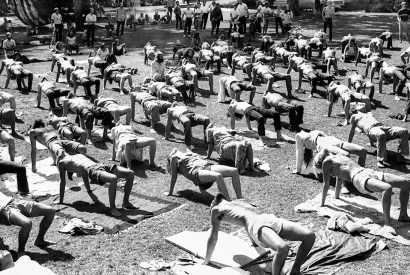
The tyranny of 1970s self-help gurus
Clients pursuing ’true self’ were expected to wear identical clothes, shave their heads, self-flagellate and be ‘given hell’, while paying through the nose for it
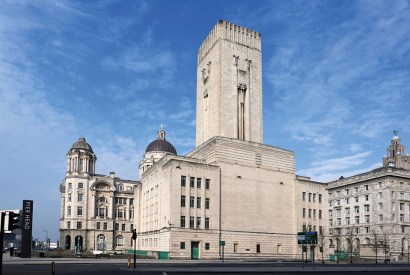
Before the Blitz: the dynamism of British architecture
Many competing styles flourished in the interwar years, including functionalism, art deco, neoclassicism, seaside moderne, mock-Mayan and Egyptian revivalism
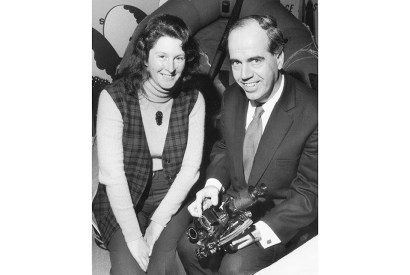
Four months adrift in the Pacific: a couple’s extraordinary feat of endurance
When a freak occurrence wrecked the Baileys’ sloop 300 miles from the Galapagos, their chances of rescue were minimal – and one of them couldn’t even swim
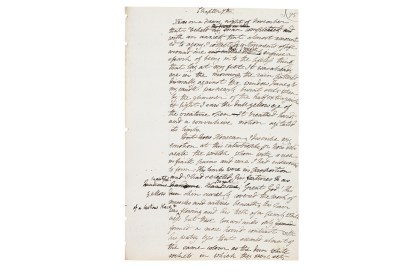
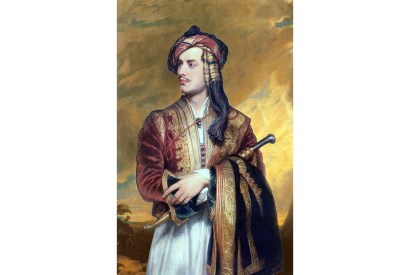
Lord Byron had many faults, but writing dull letters wasn’t one of them
Andrew Stauffer traces the poet’s tumultuous life through some of the most remarkable missives in the English language
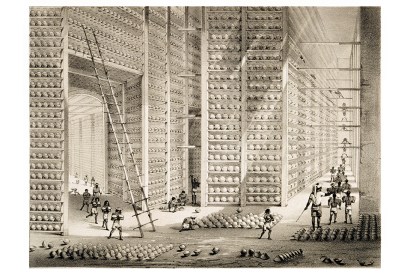
The greed and hypocrisy of the opium trade continue to shock
Amitav Ghosh admits he found writing his history difficult because of the obscene profiteering and suffering he had to cover
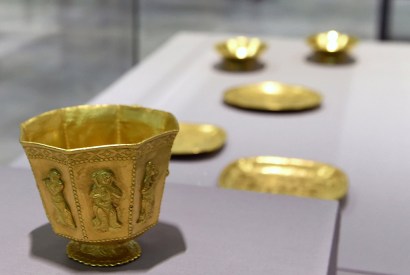
A wealth of knowledge salvaged from shipwrecks
Goods found on board can illuminate trade routes and global connections, often going back thousands of years, in ways no other archaeological sites can
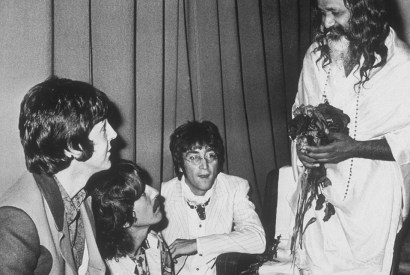
The problem with westerners seeking oriental enlightenment
Those chasing after blissful satori never seem interested in the people who actually live in Asia. They want to float in higher spheres

Have we all become more paranoid since the pandemic?
Covid-19 proved devastating to our self-confidence and faith in others, says Daniel Freeman, who describes the ‘corrosive’ effects of mistrust on individuals and society
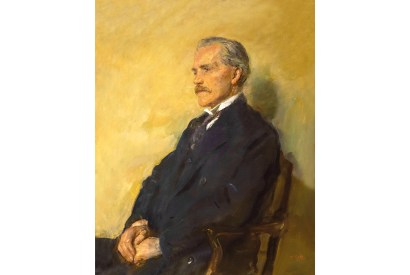
The travails of Britain’s first Labour government
Attacked in the press, by the right and even by its own supporters, Ramsay MacDonald’s short-lived government still managed to achieve a surprising amount
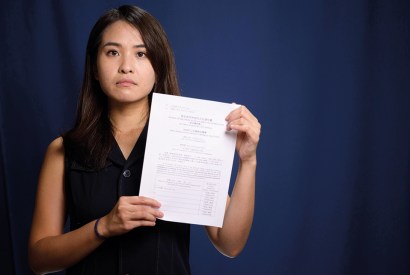
The freedom fighters who dared to take on a communist superpower
Shibani Mahtani and Timothy McLaughlin describe the courage of the youthful protest leaders in Hong Kong who sacrificed so much for the cause of democracy
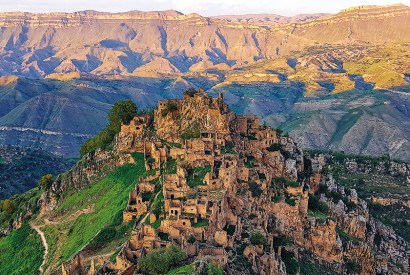
Will the Caucasus ever be tamed?
Its ruined fortresses, broken monasteries and deserted villages attest to centuries of conflict, and any idea of a united Caucasus remains a dream, says Christoph Baumer
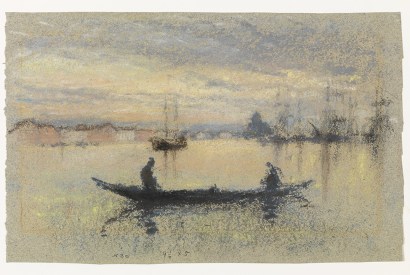
The splendour and squalor of Venice
In his celebration of Venetian art, Martin Gayford is keenly alert to the city’s spectacular contradictions
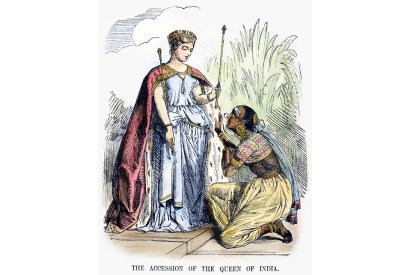
The British Empire’s latest crime – to have ended the Enlightenment
Richard Whatmore sees trade and colonisation in the 19th century as the great threat to Enlightenment ideals, and British imperialism as an unremitting force of darkness
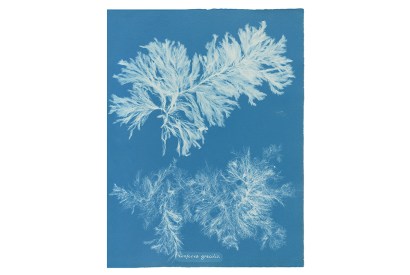
Surreal visions: the best of this year’s art books reviewed
Subjects include Anna Atkins’s cyanotypes, Leonora Carrington’s paintings, Albrecht Dürer’s dreams and the photographs of Lee Miller
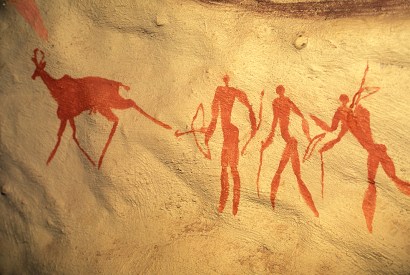
Was there ever a time of equality in human society?
Living in open savannahs, men and women had no choice but to cooperate. But evolution caused men to fight and dominate, resulting in sexism and social hierarchy
Books of the year II: more choices of reading in 2023
Recommendations from Mary Beard, Richard Ingrams, Sam Leith, Francis Wheen, Michela Wrong, William Dalrymple and many more
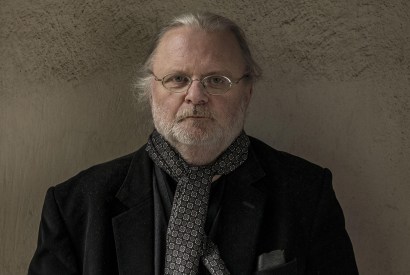
Why did Jon Fosse win the Nobel Prize for literature? It’s baffling.
If Jon Fosse’s novels are experimental, they are experiments in exhausting banality, says Philip Hensher
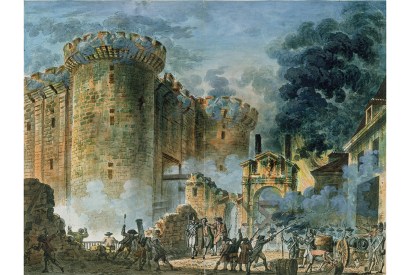
Was the French Revolution inevitable?
It was clear for decades in France that unrest was steadily building before public anger finally exploded in the spring of 1789, says Ruth Scurr
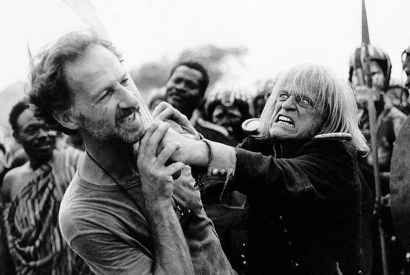
The mystery of Werner Herzog
The film director treats us to a dervish dance of anecdotes but still keeps his real life secret, says Peter Bradshaw
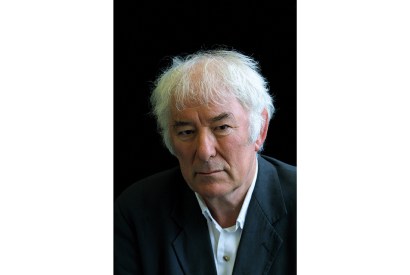
Pretending to be himself
Seamus Heaney’s letters are full of energy and joie de vivre, but a darker note persists as the pressure of celebrity grows, says Roy Foster
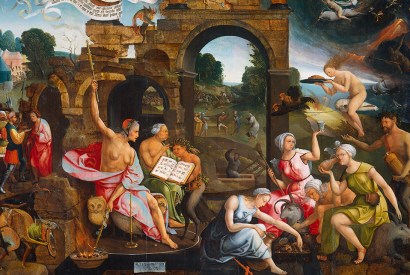
Abiding charms
We seem just as captivated by magic today as our Sumerian ancestors ever were, says Suzi Feay
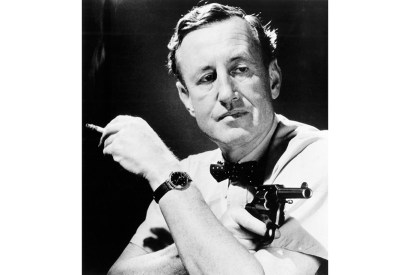
Scent and smoke and sweat
The world would never be quite the same again after we first glimpsed the casino of Royale-les-Eaux at three in the morning, says Philip Hensher
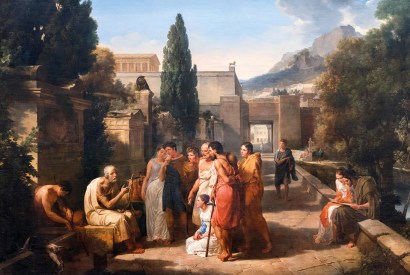
The bloody prequel
Following her translation of the Odyssey, Emily Wilson has turned her hand to the Iliad – and it is a triumph, writes A.E. Stallings