Lead book review
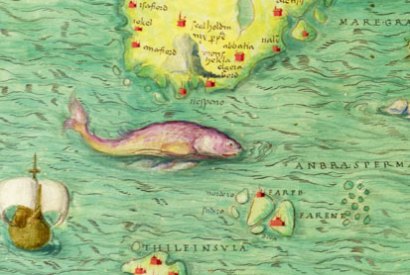
The rough end of Europe
Michael Pye appears out of his depth in a cold, grey sea in the mists of time, says Adam Nicolson
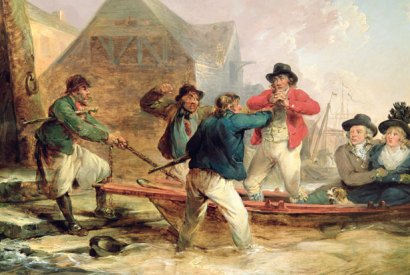
Apocalypse postponed
At the end of the 18th century, Britain shuddered in Boney’s shadow, living in constant expectation of invasion and occupation, says Nigel Jones
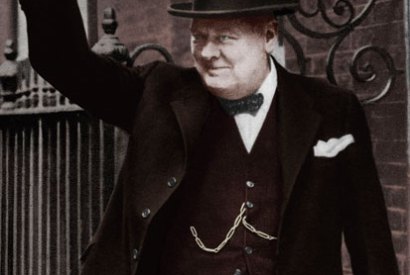
Cometh the hour, cometh the man
An eccentric, thoroughgoing genius, surfing every wave with a death-defying self-belief — Philip Hensher wonders who Boris Johnson can be thinking of
Three was a crowd
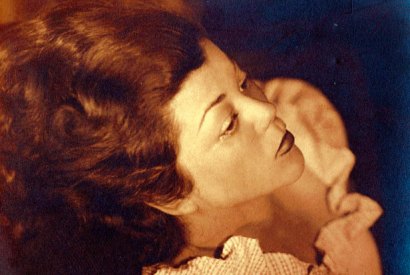
Mirabel Cecil on Lord Berners’s volatile ménage — as surprising and colourful as his famous dyed doves

When Hitler’s dream came true
In 1946, in the aftermath of a devastating war, the world seemed a very dark place indeed, says Sam Leith
The Grand Disturber
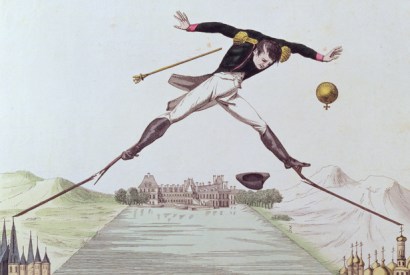
Napoleon’s exploits may have captured the world’s imagination, but the great European drama, played out over 20 years, was ultimately tawdry and pointless, says David Crane
Love letters for the world
Vladimir Nabokov was happily married for over 50 years and rarely apart from his wife. More’s the pity, discovers Philip Hensher
A Blanche Dubois of a book
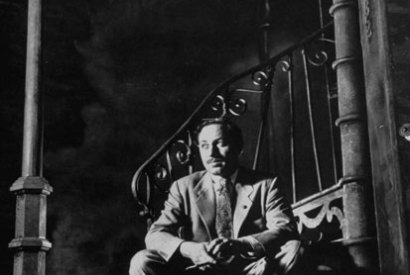
Thomas W. Hodgkinson finds John Lahr’s ‘stand-alone’ biography of Tennessee Williams as confused and unbalanced as Streetcar’s heroine
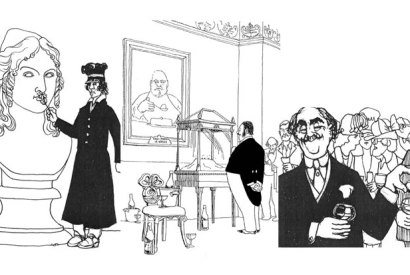
Poems from Going for a Song
An Anthology of Poems about Antiques, compiled and introduced by Bevis Hillier
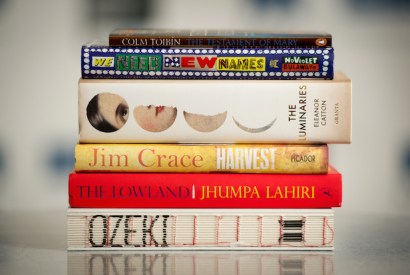
Keep the Booker British
Americans don’t need the cachet of our most prestigious literary prize – but we do, says Matthew Walther
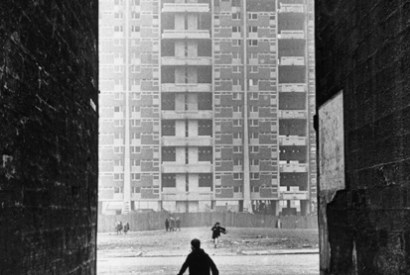
High rises and dashed hopes
The only thing really swinging in early Sixties Britain, says Sam Leith, was the wrecking-ball
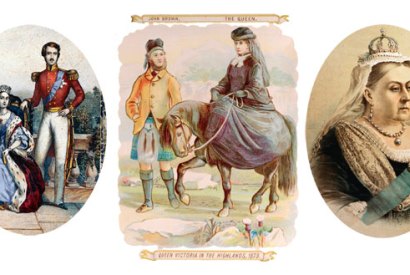
After Albert
A new, revisionist biography argues that it was only after her husband’s death that Queen Victoria found her true self. Jane Ridley is impressed
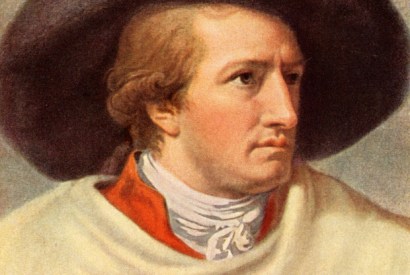
Beautiful and damned
For centuries hailed as the home of poetry, music and liberalism, Weimar was ruthlessly exploited by the Nazis and later served as a showcase for communism, says Philip Hensher
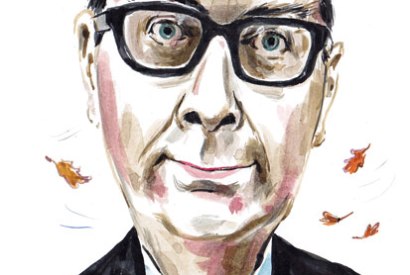
The paradigm of a poet
We needn’t apologise for Philip Larkin any longer, says Peter J. Conradi. His place is unmistakeably among the greats
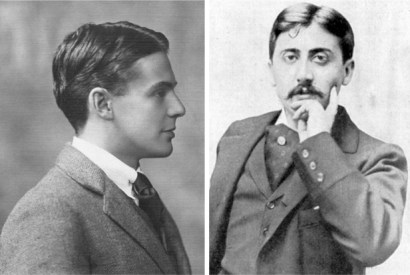
Translating Proust wasn’t all
Sam Leith is astonished by how much the multi-talented Charles Scott Moncrieff achieved in his short lifetime
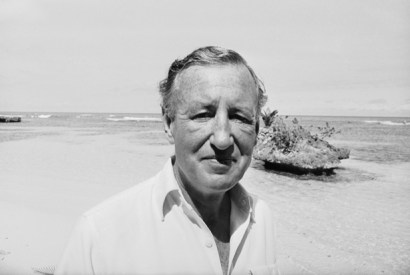
Disciplined exoticism
Lewis Jones on Ian Fleming’s Jamaican retreat and the inspiration it provided for the Bond novels
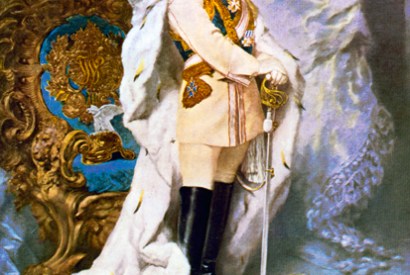
Taking no prisoners
The life of Kaiser Wilhelm II is also a guide to how to ruin a country, says Philip Mansel
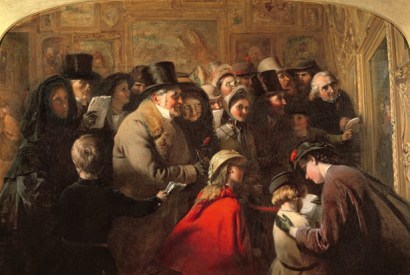
Brushes with fame
Philip Hensher on the precarious fortunes of even the most gifted 19th-century artists

The rhythm of life
Sam Leith finds much to like in a companion to musical films, and concludes that they matter very much – to the author anyway
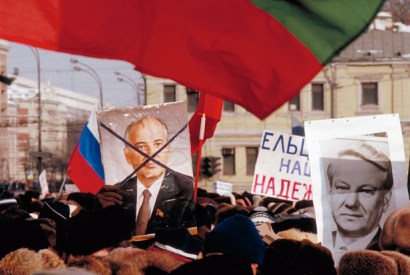
Goodbye to all that
In the latest – and best – of the books on the end of the USSR, Victor Sebestyen finds that the only good thing about the Soviet empire was the manner of its passing
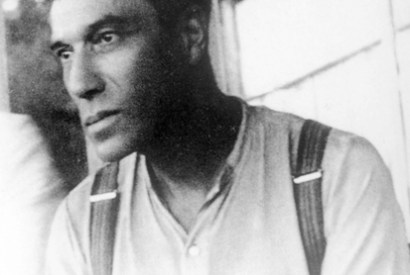
The tyrant and the cloud-dweller
The banning of Dr Zhivago in the Soviet Union had unfortunate consequences for other fine 20th-century Russian novels, says Robert Chandler
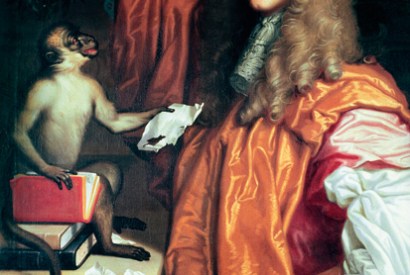
A rake’s progress
Philip Hensher on the scandalous 17th-century courtier whose hellfire reputation has overshadowed his fine satirical poetry
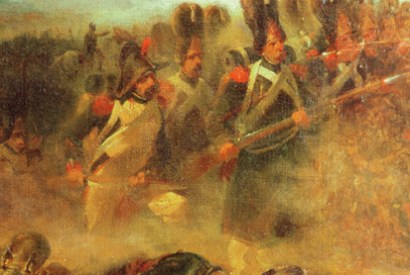
Cannon and ball
David Crane on an old soldier’s account of a 200-year-old battle that will never fade away
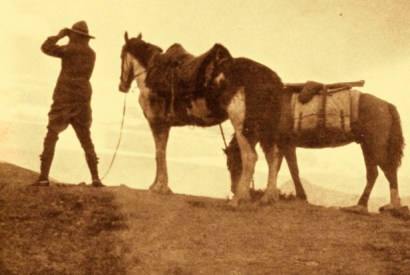
The incredible journey
Sam Leith marvels at a lone horseman’s 10,000-mile ride, braving bandits, quicksands, vampire bats and revolution in search of ‘variety’
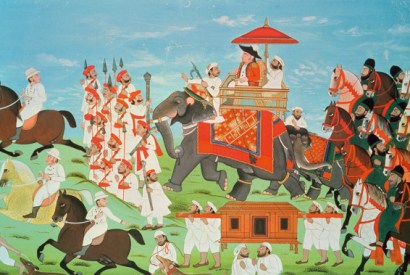
Fabled splendours
Peter Parker on the age-old allure of the Indian subcontinent