Lead book review
Celebrity lives
I learned from this little lot that if one has read The Diary of a Nobody, then one can derive…
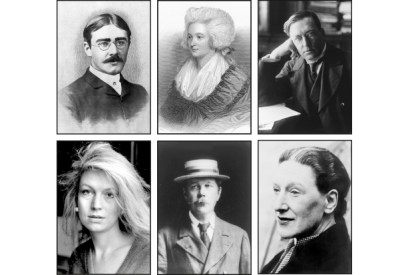
The best British short stories — from Daniel Defoe to Zadie Smith
In this handsome two-volume anthology, Philip Hensher convincingly establishes himself as a world authority on the short story, says Ian Sansom
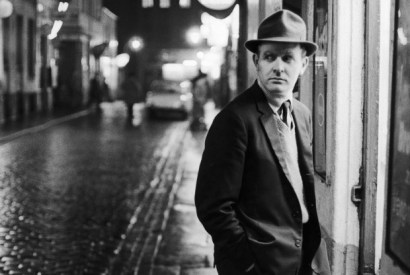
Through the Looking Glass
John le Carré has been writing about a mirror world for over 50 years — and he’ll continue to do so for as long as his father haunts him, says Andrew Lycett
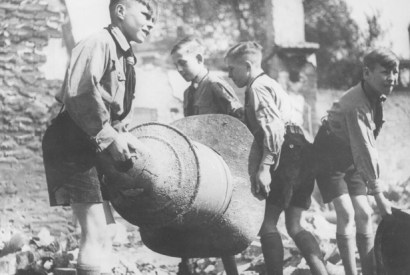
The swastika was always in plain sight
Ordinary Germans under the Third Reich did have wills of their own, argues Dominic Green. Most actively embraced Nazi ideology, and were aware of the extermination of the Jews. As the war worsened for them, what did they think they were fighting for?
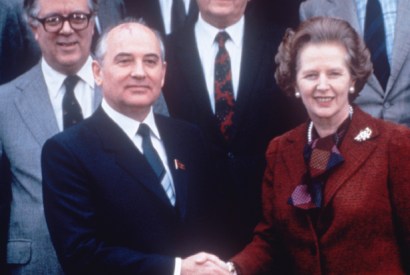
Margaret Thatcher’s most surprising virtue: imagination
Margaret Thatcher’s second administration saw bitter divisions at home, but abroad the breakthrough in Anglo-Soviet relations really did change history, says Philip Hensher
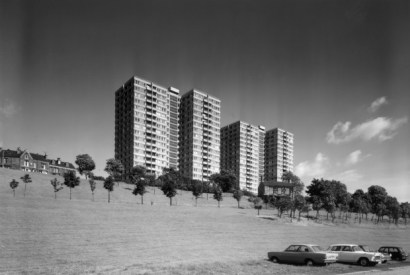
Big is beautiful: A crushing case for brutalism — with the people left out
Elain Harwood’s flawed but impressive study of modernist architecture manages perfectly to reflect its subject, says David Kynaston
Retracing The Thirty-Nine Steps in Buchan’s beloved Borders
To celebrate the centenary of the publication of The Thirty-Nine Steps William Cook travelled to Tweeddale, where John Buchan spent his youthful summers
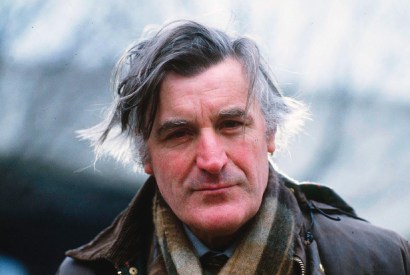
Poet as predator
Craig Raine says that Jonathan Bate’s unauthorised biography of Ted Hughes gets it wrong on every level
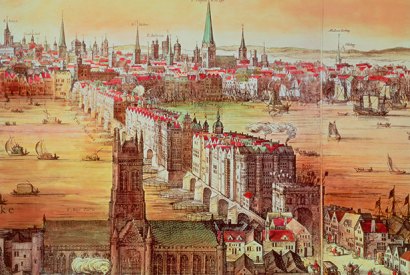
Theatre of politics
Sam Leith on the year 1606, when plague and panic were rife — and all the world really was a stage
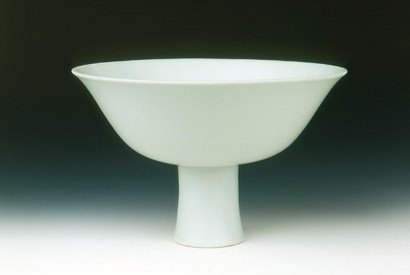
A terrible beauty
A.S. Byatt on the dark, deadly secrets lurking beneath a calm, white surface
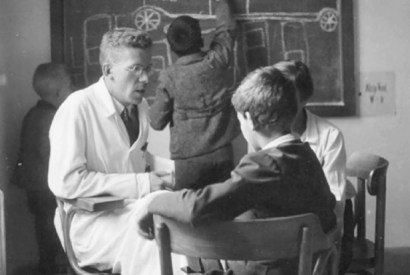
Hero or collaborator?
Simon Baron-Cohen wonders whether the humane Hans Asperger may finally have betrayed the vulnerable children in his care in Nazi-occupied Vienna
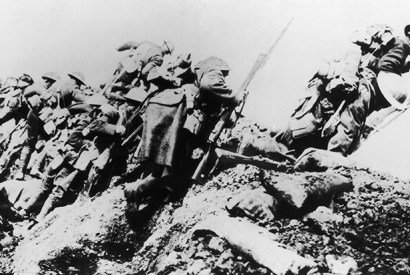
Action this day
Peter Parker spends 24 hours on the bloodsoaked battlefield of the Somme, scene of the British army’s greatest catastrophe
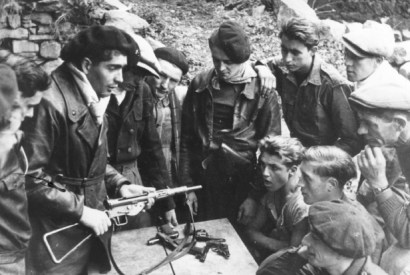
Liberating Marianne
Patrick Marnham unravels some of the powerful, often conflicting myths surrounding the French Resistance
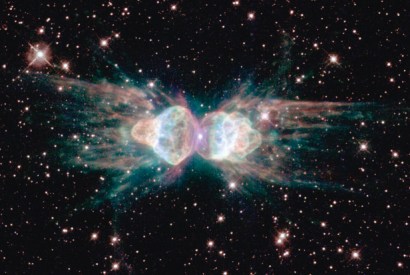
In the sky with diamonds
The beliefs of physicists are infinitely kookier than anything in the Bible, says Alexander Masters
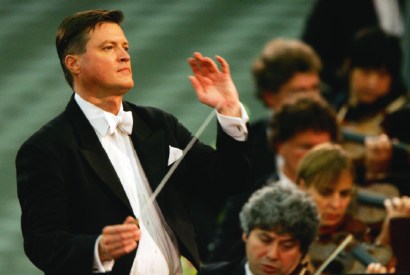
Wholly German art
Philip Hensher admires an old-fashioned conductor who unashamedly favours the great German composers — and Wagner in particular
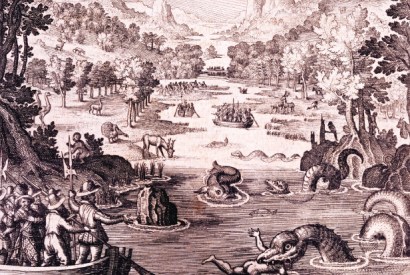
Sugar and spies
John Gimlette on the strange and superbly told story of Willoughbyland, England’s ‘lost’ colony
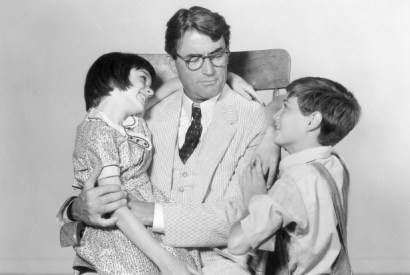
A bad novel on the way to a good one
Philip Hensher on the tangled history of To Kill a Mockingbird’s much-anticipated ‘sequel’
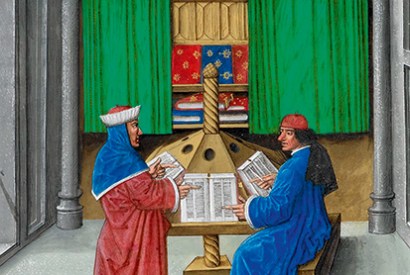
Double thinking, double lives
Jan Morris on the inconsistency and paradox that has characterised Italian thought over the centuries — and the desperate search for certainty
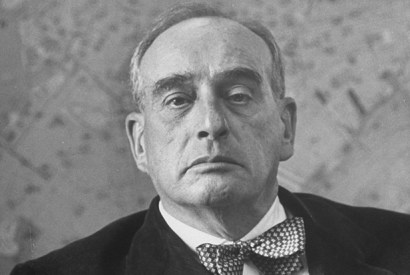
The man who wrecked New York
John R. MacArthur on the bureaucratic titan who gratuitously bulldozed a great city and displaced and demoralised half a million of its inhabitants
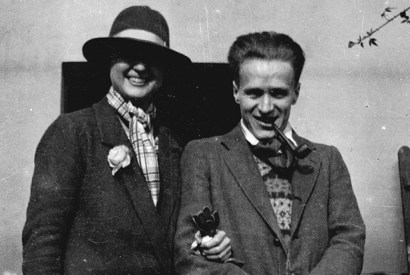
Filling in the Bloomsbury puzzle
Even the Group considered Bunny Garnett and Henrietta Bingham quite ‘wayward’. Their powerful charms appealed to both sexes, says Anne Chisholm — and they even managed a fling together
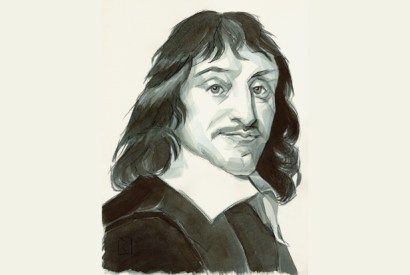
Guardians of an ideal
The French have always favoured grand, elegant abstractions about the human condition, says Ruth Scurr. It’s part of their national identity
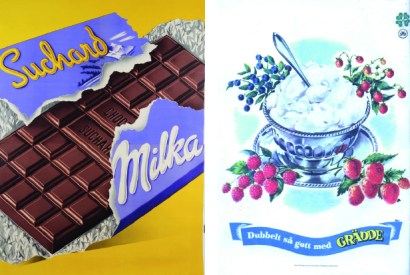
From ambrosia to zabaglione
This Oxford Companion ranges from the sweet to the decidedly salty, while being the most politically correct reference book you will ever consult, says Paul Levy
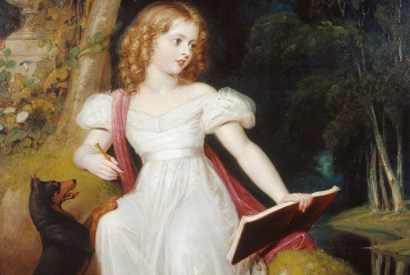
When we were very young
A wonderfully vivid school story has surfaced written by Queen Victoria as a child. The monarch was clearly a sensational novelist manqué, says Philip Hensher
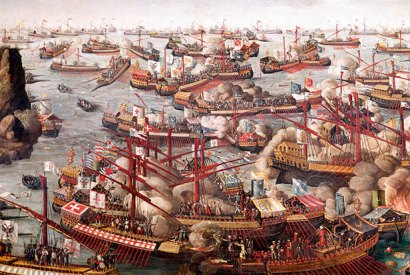
Striking Middle Sea
The Mediterranean has always been central to European civilisation — and a source of drama and conflict, says Anthony Sattin
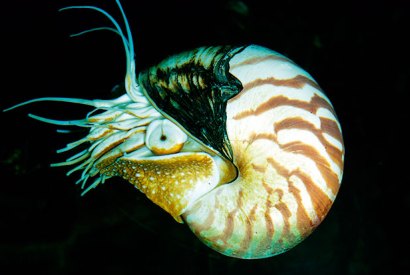
Suffering a sea change
The rich, strange, finely balanced ecosystems of the oceans — on which our lives depend — are profoundly threatened, says Rose George