Lead book review
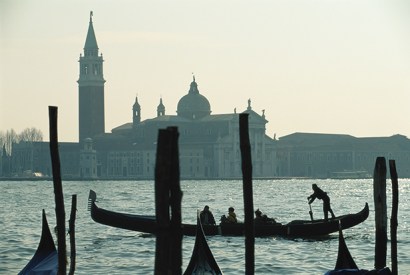
Throned on her hundred isles
It took the madness of genius to build such a wonderful impossibility. Patrick Marnham reviews a delightful new literary guide to Venice
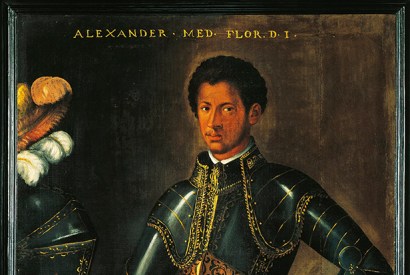
Black mischief among the Medicis
The life – and violent death – of a very unusual Renaissance prince has Alex von Tunzelmann enthralled
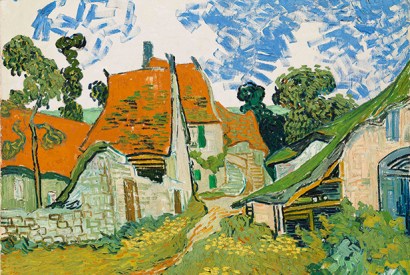
The spaces in between
An unfinished painting can provide a startling glimpse of the artist at work. But the common tendency to prefer it to a finished work is being taken to extremes, says Philip Hensher
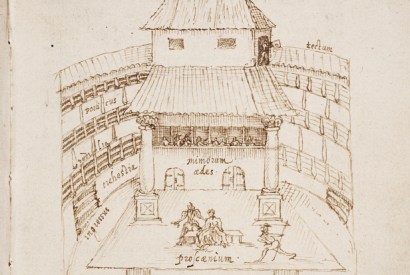
A mirror to the world
The best new books celebrating Shakespeare’s centenary are full of enthusiasm and insight — but none plucks out the heart of his mystery, says Daniel Swift
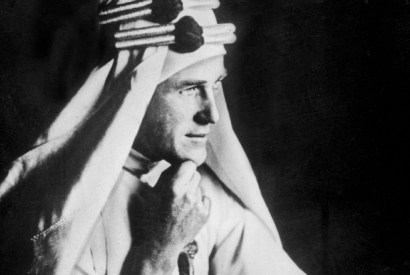
The tragedy of Arabia
T.E. Lawrence is seen as a ‘metaphor for imperialism, violence and betrayal’ in the Middle East. But woeful Arab leadership has also been to blame for the region’s problems, says Justin Marozzi
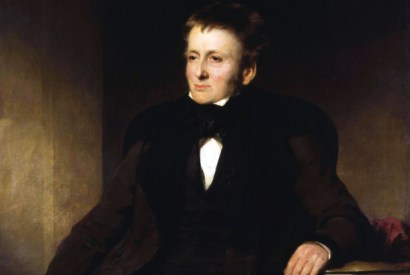
An incurable Romantic
Frances Wilson’s biography of Thomas De Quincey, the mischievous, elusive ‘Pope of Opium’, makes for addictive reading, says Hermione Eyre
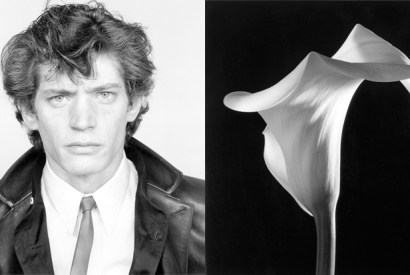
‘A good boy trying to be bad’
Robert Mapplethorpe made his reputation as a photographer in the period between the 1969 gay-bashing raid at the Stonewall Inn…
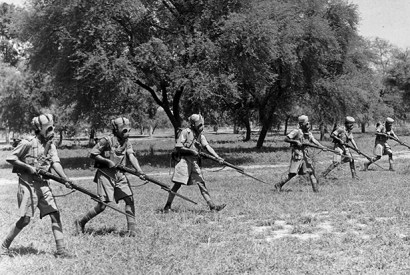
‘Help the British anyhow’
The sacrifices made by India on the Allies’ behalf in the second world war would profoundly affect the country’s future for better or worse, says Philip Hensher
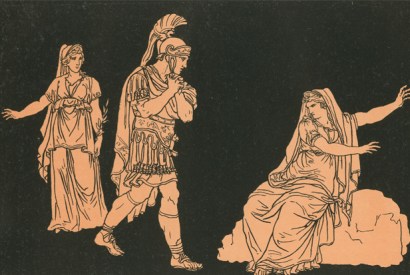
A gift from beyond the grave
Andrew Motion finds a touching parallel between Virgil’s unfinished Aeneid and Seamus Heaney’s barely finished translation of Book VI
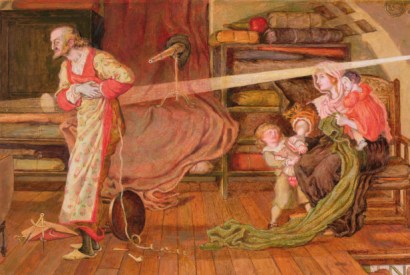
Fighting for progress
The 17th century scores highly — especially England’s part in it — in A.C. Grayling’s ‘points system’ of history. If only the study of the past were that simple, says Ruth Scurr
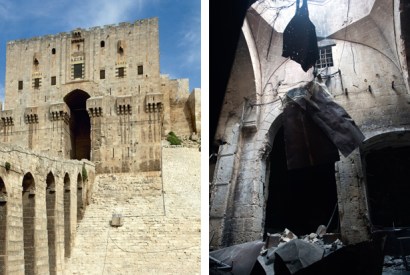
‘Excess is obnoxious’
Justin Marozzi on the bitter irony of Aleppo’s ancient motto
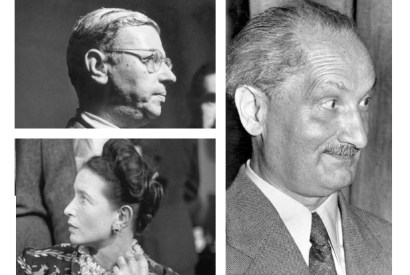
‘Existentialism? I don’t know what it is’
We all carried their philosophy around in our youth, says Philip Hensher. But did anyone — including the existentialists themselves — really understand it?
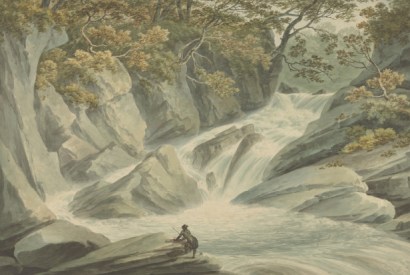
Viewing the view
It’s not all picnics and cowslips. You need sense as well as sensibility to appreciate a landscape, says Mary Keen
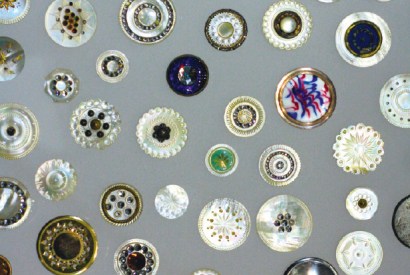
A box of delights
Juliet Nicolson examines women’s lives and changing fashions through a rich hoard of buttons for all occasions
Tawdry tales of Tinseltown
This collection of Hollywood tittle-tattle is moderately interesting, unpleasantly salacious and largely unsourced, says Philip Hensher
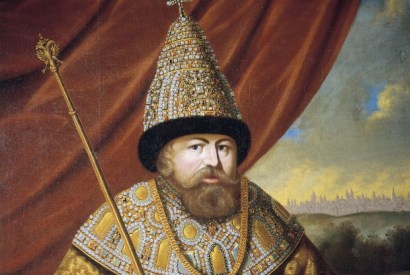
Autocracy tempered by strangulation
It’s hard to tell at times who came off worst in Romanov Russia — the tsar or his subjects, says Adam Zamoyski
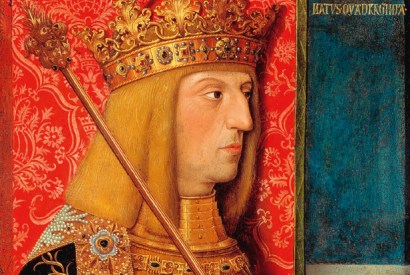
Charlemagne’s legacy
The Holy Roman Empire has been much maligned over the centuries. In fact it worked remarkably well, says Jonathan Steinberg

One for all
China’s brutal one-child policy was not only inhuman; it will profoundly damage the rest of the world, says Hilary Spurling
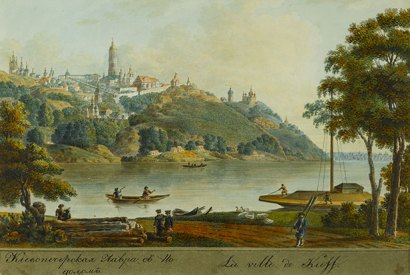
Between the woods and the water
Timothy Snyder traces Ukraine’s complex history from its classical heritage to the present day
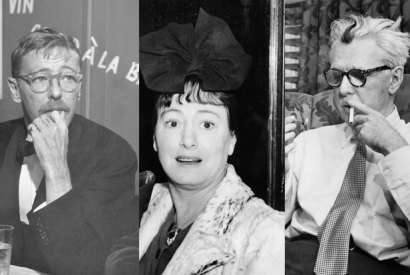
A touch of class
The New Yorker has always been revered for the supreme quality of its writing, says Philip Hensher
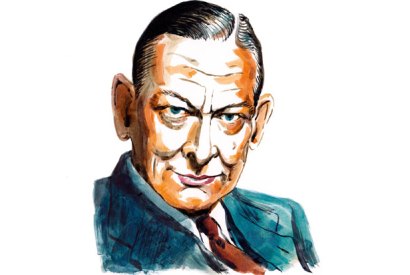
Casual, funny, flirtatious, severe
Not only is this the definitive edition of T.S. Eliot’s poems, it is also the best biography of the poet we have, says Daniel Swift
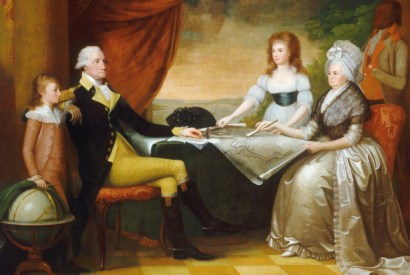
George and Martha Washington were an odd first First Couple
Frances Wilson on America’s likeable, if unlikely, first First Couple
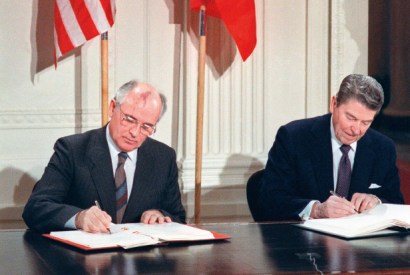
The four men who averted the Apocalypse
Robert Service’s account of the greatest turning point in modern history is unlikely to be bettered, says Sherard Cowper-Coles
A further selection of books of the year — the best and most overrated of 2015
A further selection of the best and most overrated books of 2015, chosen by our regular reviewers
Books of the Year: the best and most overrated of 2015
Our regular reviewers choose the best and most overrated books of 2015