Lead book review

Comment on From cosy to crazy by ardenjm
Toby, you’ve made it. You know how you kept on losing friends and alienating people? Well, sleep in peace at…
Comment on Brexit means sovereignty by Graham
I think bad losers, wherever they are, in the UK, EU, or Worldwide, should put the interests of the UK…
Comment on From cosy to crazy by whistler80
I would love to hear from anyone in the film / entertainment industry to be brave enough to say they…
Comment on Diary by davidshort10
Cor, this diary from a nobody is so boring I couldn’t get through the second paragraph. Who choose this person?…
Comment on We are not a hateful nation by Paul Carolan
Its starting to look similar with rape where some recent acquitals at trial show all that is required to ensure…
Comment on Zero tolerance, zero sanity by Dan
Happily your “guess” and your “judgement” are both immaterial as the case was heard in a court of law where…
Comment on Brexit means sovereignty by Graham
I think we all agree a deal needs to be done asap away from article 50, before article 50 is…
Comment on Brexit means sovereignty by Rob2000
…and here come the well thought out and reasoned counter arguments. Well done. Have a gold star. Got something to…
Comment on Brexit means sovereignty by Rob2000
Except of course this discussion is about sticking to the rules on leaving the club, whilst still in the club…
Comment on Zero tolerance, zero sanity by MikeF
In other words the CPS and BTP were not acting on the basis of a misdirected but well-intentioned zeal but…
Comment on Brexit means sovereignty by Rob2000
The UK Parliament is both the House of Commons and the House of Lords and of course, the Sovereign. The…
Comment on Brexit means sovereignty by Graham
I didn’t say anything we like. I mean I do not see how the EU can force us to stick…
Comment on Brexit means sovereignty by Rob2000
Maybe the difference is that crops and livestock don’t tend to be migratory. Just a thought. Got something to add?…
A gentleman among players
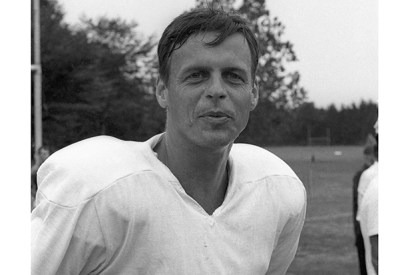
I once played in something called the Writers’ World Cup. A lot of people in publishing (novelists, journalists, editors, agents)…
A five-ring fiasco
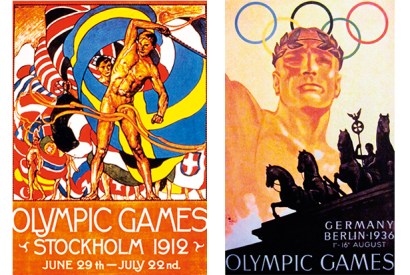
The ambitions of the founding father of the modern Olympic Games, the Frenchman Baron Pierre de Coubertin — that they…
In the steppes of the Golden Horde
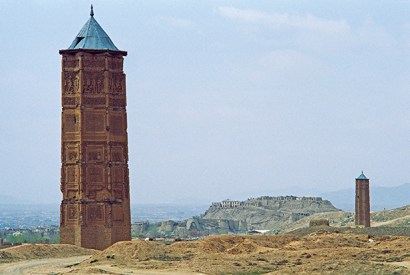
When I first visited the complex of Buddhist cave grottoes, dating from the fifth to the 14th century, at Bezekilk…
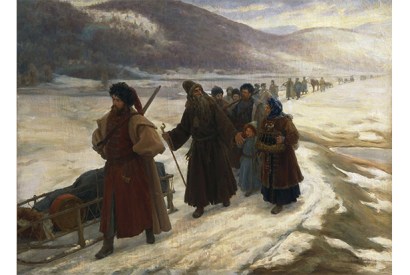
Russia’s dumping ground
Almost as soon as Siberia was first colonised by Cossack conquistadors in the 17th century, it became a place of…
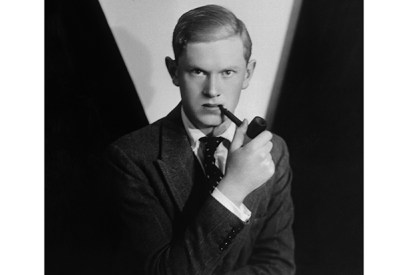
A familiar life (revisited)
A Life Revisited, as the modest, almost nervous, title suggests, mainly concerns Evelyn Waugh’s life with comments on but no…
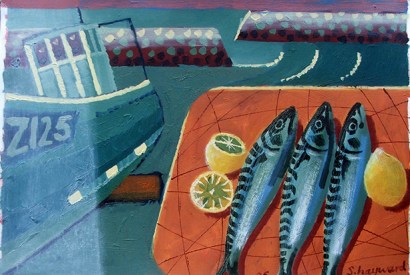
Food for thought
Elisabeth Luard has a fascinating and rich subject in the relationship between food and place. Humans eat differently according to…
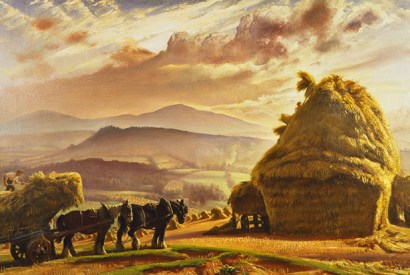
The laureate of repression
In 1927, while delivering the lectures that would later be published as Aspects of the Novel, E.M. Forster made a…
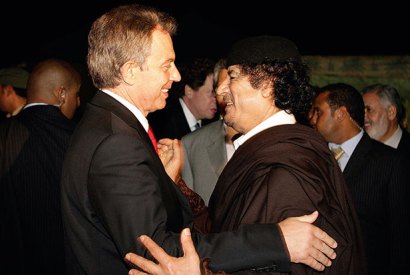
Misadventures in Libya
If photographs of ‘the deal in the desert’ made you queasy — you remember, Tony Blair and Muammar Gaddafi shaking…
Cervantes the seer
William Egginton opens his book with a novelistic reimagining: here’s Miguel de Cervantes, a toothless old geezer of nearly 60,…
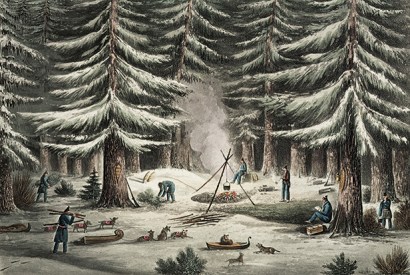
Wise women in wikuoms
You can’t see the wood for the trees in Annie Proulx’s epic novel of logging and deforestation in North America, says Philip Hensher

Principles of heredity
A clear, accurate, up-to-date pop science book on genetics would have been most welcome, says Stuart Ritchie. Sadly, this isn’t it
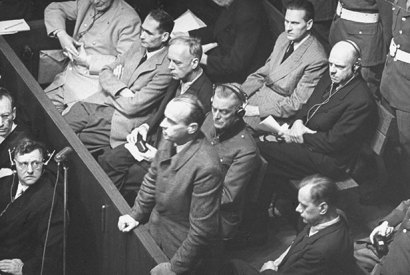
Laws that changed the world
Prosecution for genocide or crimes against humanity is now a given in international law. But before the Nuremberg Trials, these two groundbreaking notions didn’t exist. Daniel Hahn describes their origins and inspiration