
Lead book review
What has the reparations movement ever done for victims of modern slavery?
Until now it has focused on extracting trillions from European governments in compensation for historic crimes while ignoring horrors still being perpetrated today

Exploring the enchanted gardens of literature
Sandra Lawrence transports us to the gnarled yews of Tom’s Midnight Garden, the scent of azaleas at Manderley and the Pillow Book’s chrysanthemums glistening with dew

There’s something about Marianne – but can French identity be defined?
The Parisian public belongs to ‘all classes and creeds’, yet the sounds, smells and street furniture remain unmistakably French, says Andrew Hussey

Christopher Marlowe, the spy who changed literature for ever
The 16th-century playwright led a violent, tempestuous and clandestine short life but alone among his contemporaries he speaks to us in a familiar way
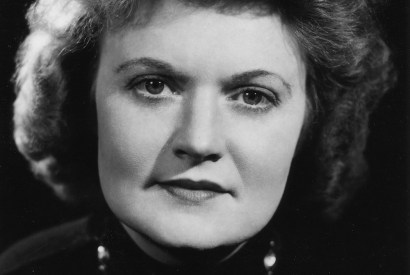
‘I’m tired of your ridiculous lies’ – the wrath of Muriel Spark
The novelist’s main targets were her hapless editors at Macmillan and her former lover Derek Stanford – recipients of many vituperative early letters
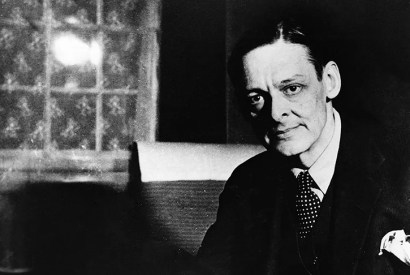
‘I’ve taken to sleeping in my teeth’ – the wartime admissions of T.S. Eliot
‘I’m getting to be a wambling old codger’…‘I haven’t got enough phlegm to undress’, writes the poet, exhausted by readings and broadcasts, in letters spanning 1942-44

A century of western meddling in Iran
British involvement with the Pahlavis from the 1920s and postwar US policy were contributory factors to the revolution and the worsening of relations since
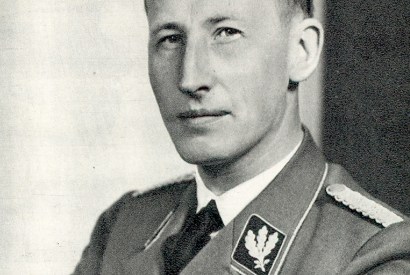
Assassinations have an awkward tendency to backfire
A prime example – the murder of the SS officer Reinhard Heydrich in 1942 – may have been a technical success for SOE, but brutal reprisals made it an operational disaster
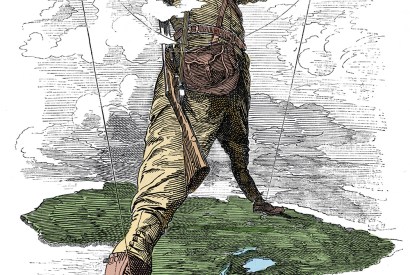
The crimes of Cecil Rhodes were every bit as sinister as those of the Nazis
Through bribery and ruthless exploitation, the unapologetic racist worked to unite Africa under British rule – with consequences that still haunt us today
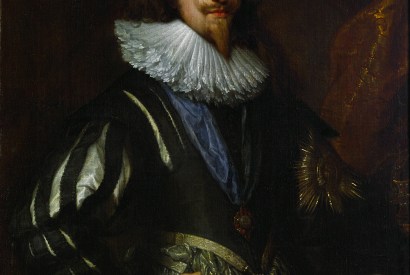
Charles I at his absolutist worst
The months preceding the outbreak of civil war saw distrust of the King become widespread and a ‘new temper’ take hold

The race against Hitler to build the first nuclear bomb
The bomb was necessary to the Allies, but still horrified those responsible for its development – many of them refugees from Nazism
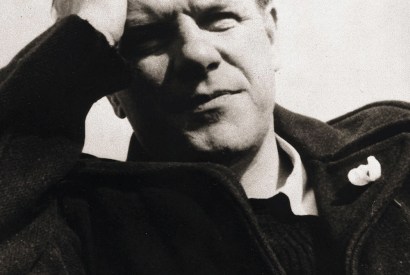
‘Too bohemian for Bournemouth’: the young Lawrence Durrell
Begged by his mother to go somewhere his behaviour wouldn’t ‘show so much’, the future novelist, aged 19, embarked on a lifetime of travel and rarely visited Britain again
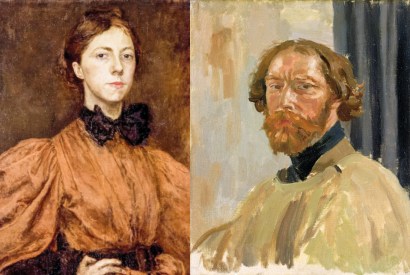
Admirable in their awfulness – the siblings Gus and Gwen John
The self-styled Gypsy King and his reclusive sister seemed polar opposites – but both painters were selfish, obsessive monsters, according to Judith Mackrell
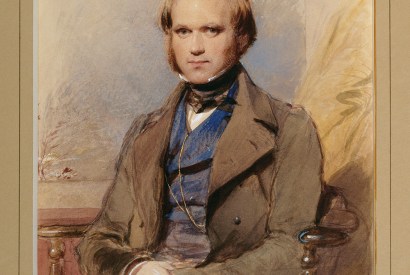
Charles Darwin’s contribution to Patagonia’s grim history
Characterising native tribes as ‘naked, painted, shivering, hideous savages’ proved no less calamitous for their survival as Argentina’s efforts to exterminate them, says Matthew Carr
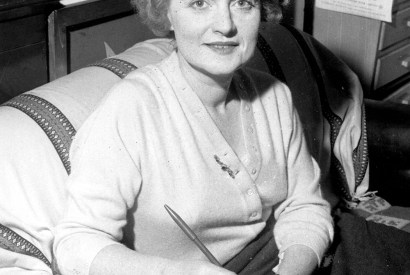
‘I secreted a venom which spurted out indiscriminately’ – Muriel Spark
Frances Wilson’s mesmerising biography of one of the past century’s most singular writers is especially enlightening on the ‘domestic savagery’ often required of a great artist
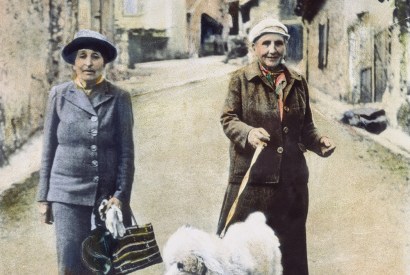
The mystifying cult status of Gertrude Stein
The American author (of mostly unreadable books) was revered in 1920s Paris and became an international celebrity – though no one was quite sure why
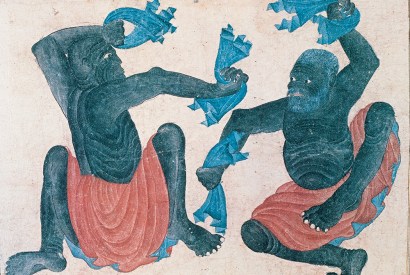
Why shamanism shouldn’t be dismissed as superstitious savagery
Our need for belief in the supernatural gave rise to a demand for ‘mystical intermediaries’, or shamans, forging man’s earliest religion from which all others developed, argues Manvir Singh
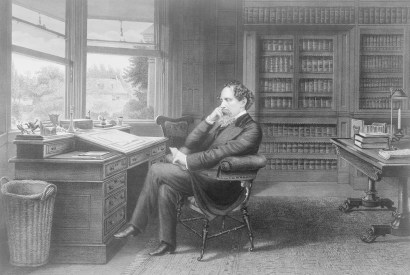
Studying Dickens at university was once considered demeaning. Now it’s too demanding
Accessible, ‘relevant’ short stories are increasingly replacing the classics, as the monuments of Victorian literature defeat today’s undergraduates
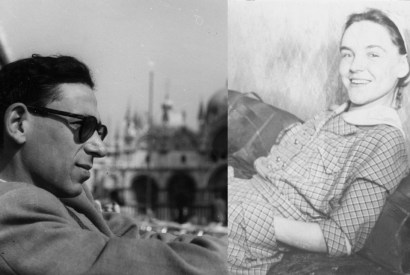
The love that conquered every barrier – including the Iron Curtain
Iain Pears tells the dramatic story of how two art historians – one English, one Russian – met by chance in Venice and found they couldn’t live without each other
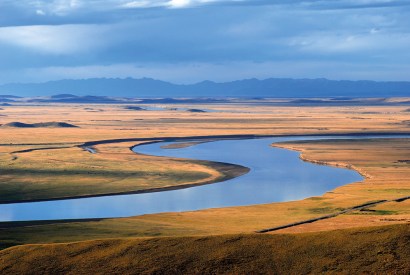
Time is running out for the world’s great rivers
Overfishing, industrial pollution and dams are squeezing life from once revered waterways that have sustained civilisations for centuries
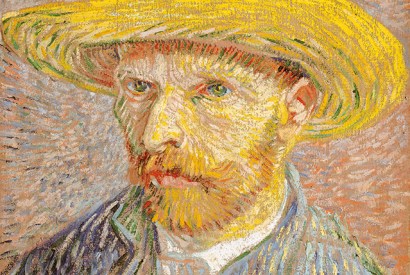
The making of Van Gogh as an artist came at a terrible cost
In the manic years 1886-88 when he lived with his brother in Paris, Vincent worked at fever-pitch, exhausting himself and Theo and driving them both towards insanity
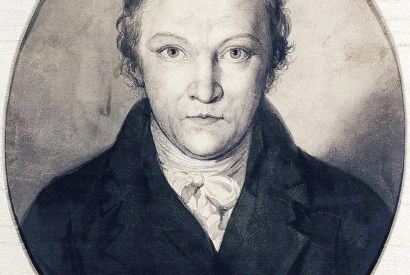
William Blake still weaves his mystic spell
Philip Hoare considers the ageless, hypnotic appeal of the painter, poet, visionary and ‘one-man utopia’
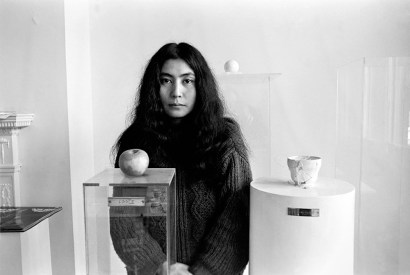
Poor little rich girl: the extraordinary life of Yoko Ono
Her background was one of privilege and she married one of the most famous men of our time but the Japanese artist suffered her fair share of grief and misfortune
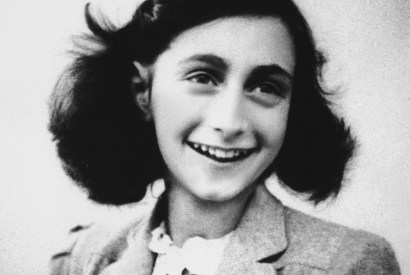
How Anne Frank’s photograph became as recognisable as the Mona Lisa
To date, the diary, pieced together from Anne’s notebooks, has sold more than 30 million copies worldwide, with her story further explored in plays, films and novels


The importance of feeling shame
Stuart Jeffries 21 June 2025 9:00 am
Shamelessness is now ubiquitous in our narcissistic society. But to the ancient Greeks shame was a spur to honourable deeds and synonymous with modesty and respect