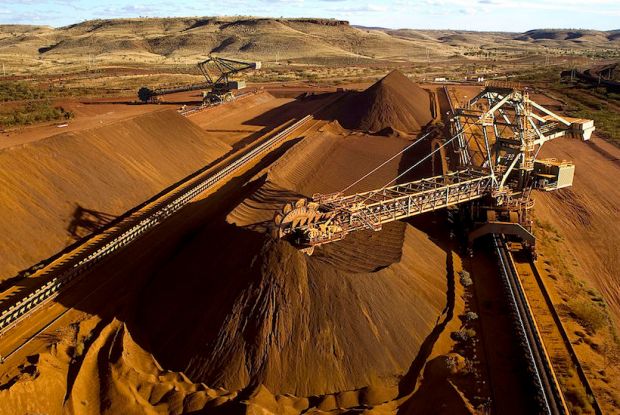
Aluminium’s nickname in the ‘trade’ is congealed electricity. This is in large part because its production (bauxite is refined into alumina; alumina is smelted into aluminium) is incredibly energy-intensive.
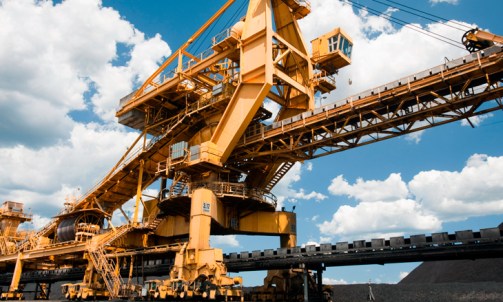
It takes about 15,000 kilowatt hours to make one tonne, which is why smelters get built next to Icelandic geothermal, Quebec hydro, or, once upon a time, and truly enormous piles of Hunter Valley coal.
Tomago is the single largest electricity user in New South Wales. Power is over 40 per cent of its costs.
So here is a question that should not require a taskforce:
If you spend a decade making Australian electricity dearer and flakier, what happens to the business that is essentially a machine for turning electrons into ingots?
Hmmm. Do you need to call a friend? Perhaps commission a KPMG study? Maybe even a Royal Commission?
Here is the simple answer. The business falls over. Or comes to the line of falling over.
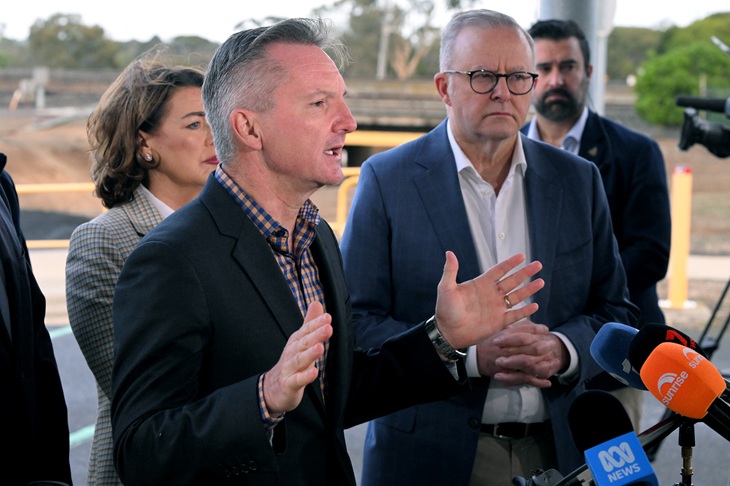
At which point, the Prime Minister and the Premier fly in to heroically catch it.
The arsonists have arrived with a hose and a media pack.
The pitch is jobs. About 1,000 staff and 200 contractors, and good luck to all of them.
But nobody seems to be asking the rude question: Were those jobs ever at risk before the policy to increase the cost and decrease the reliability of electricity showed up?
Tomago has run since 1983. It did not suddenly forget how to operate a pot line. The key input, electricity, suddenly got expensive and unpredictable. And this did not happen by weather.
Australians were told for years that emissions-heavy, power-guzzling industry would have to adapt or exit. Tomago is one of the most emissions-heavy, power-guzzling operations in the country, and is now being paid not to exit.
Hold both thoughts at once and you may qualify for an SES Band 2.
Because that is the actual growth industry. Government and bureaucracy.
Make power expensive, staff it. Rebate the households, staff it. Rescue the smelter, staff it. Review whether any of it worked, staff it.
The total number of Australian public servants went from 1.75 million at June 2008 to 2.60 million in June 2025. That is another Tasmania of public servants.
Governments love to identify problems because every problem generates its own program, every program generates its own reviewers. In consulting, it is land and expand. In government it is land, never leave, and devour.
Textbooks will be written about how Australia turned into Argentina. Chances are that the government will seek to have it banned and the eSafety Commissioner will block social media posts.
First published on Substack. Read the original here…