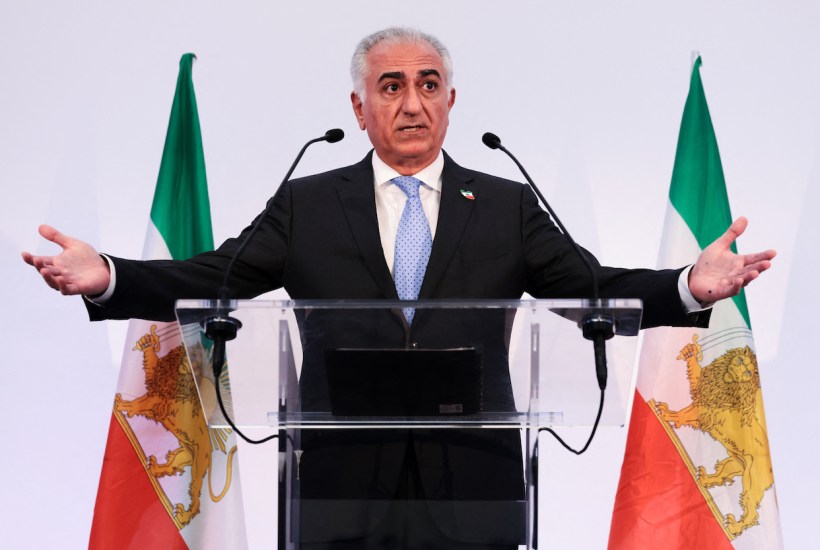
From the perspective of many Iranian nationalists, the main reason ideological groups oppose monarchy is not merely a political disagreement. Rather, it stems from the nature of the Iranian monarchy itself as a national institution that transcends political factions and ideological divisions.
The Iranian monarchy is rooted in historical identity, cultural continuity, national cohesion, and the unity of Iran. Within this framework, the monarch serves as a symbol of the nation and the people, rather than representing a specific party, religion, or ideology.
For this reason, movements that derive their legitimacy from political, religious, or revolutionary ideologies often view an institution that places national identity above ideological identity as a challenge to their influence and ambitions.
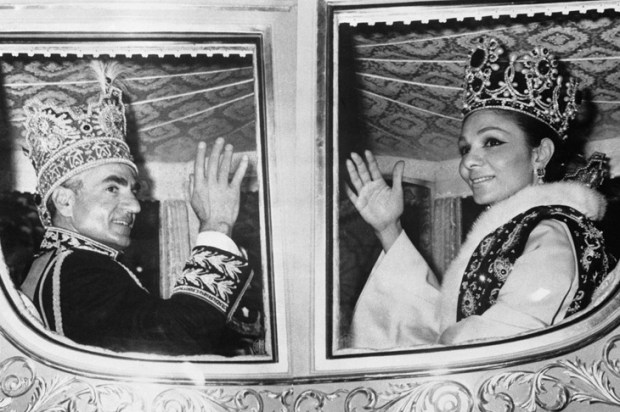
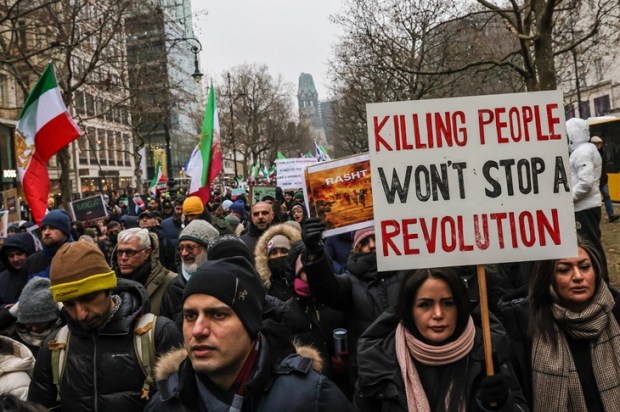
According to nationalist perspectives, Marxist movements in the past emphasised class struggle and, by exploiting the lack of awareness among poorer segments of society regarding their historical and cultural identity, portrayed national identity as a secondary and insignificant issue. Likewise, political Islamist movements derived the legitimacy of government not from the Iranian nation and its history, but from their particular interpretation of religion. As a result, despite their apparent differences, both movements converged in their opposition to the institution of monarchy. The events of the 1979 Islamic Riot in Iran are often cited as an example of this convergence. Many nationalists argue that, even after nearly five decades, these groups continue to oppose Iranian national identity and its traditional values.
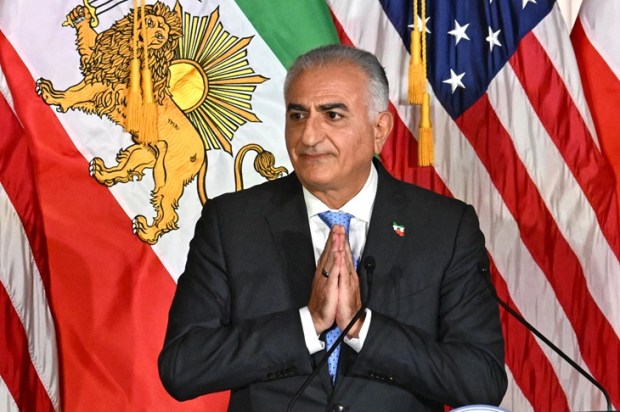
Nationalists also maintain that the restoration of a constitutional monarchy could help reduce many of the divisions within Iran’s political landscape because the monarch would belong to all citizens rather than to any particular political faction. They argue that some ideological groups fear that such a structure would diminish their political influence and ideological monopoly.
Many opponents of monarchy continue to promote particular interpretations of modern Iranian history through films, books, and articles. Nationalists contend that these efforts have sought to reshape historical memory and weaken public awareness of Iran’s national heritage. However, they argue that national identity has remained resilient and continues to play a significant role in public discourse.
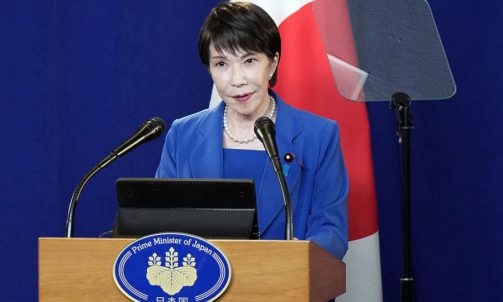
From the viewpoint of supporters of monarchy, the central issue is not simply the debate between ‘monarchy and republic’, but rather the distinction between national sovereignty and ideological rule. They believe that a monarchy can provide a stable national framework in which governments may change through democratic processes while the symbol of national unity remains constant. Supporters often point to constitutional monarchies such as those in United Kingdom, Japan, Sweden, Denmark, and Norway as examples.
For this reason, many nationalists believe that strong opposition to monarchy by certain ideological movements stems less from concerns about democracy and more from concerns about losing political influence and ideological dominance.
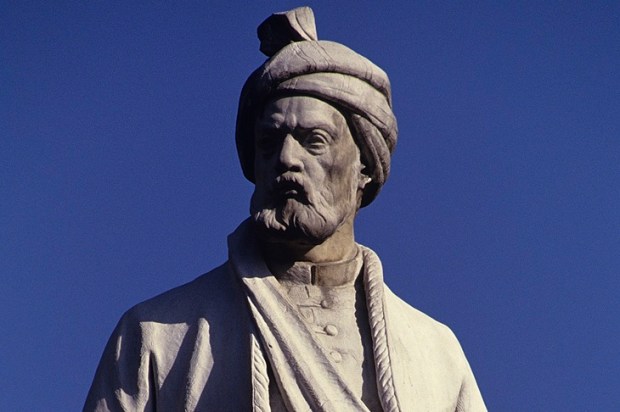
Many Iranians who support monarchy view it as part of a broader historical and cultural heritage stretching back centuries. They believe that the traditions of Iranian statehood and kingship remain an important component of Iran’s national identity and hope that these traditions may one day play a role in the country’s future.
By Leila Naseri: Author | Composer | Social Cultural Analyst