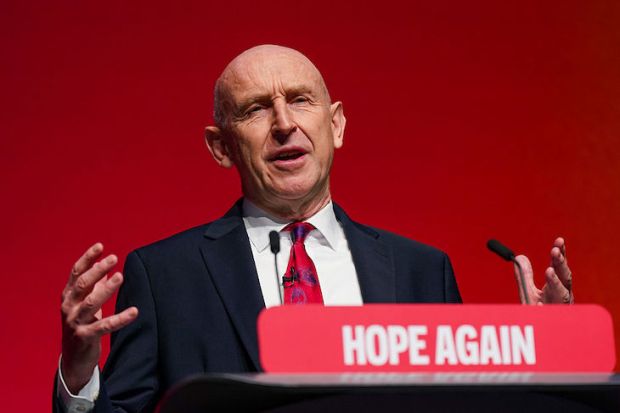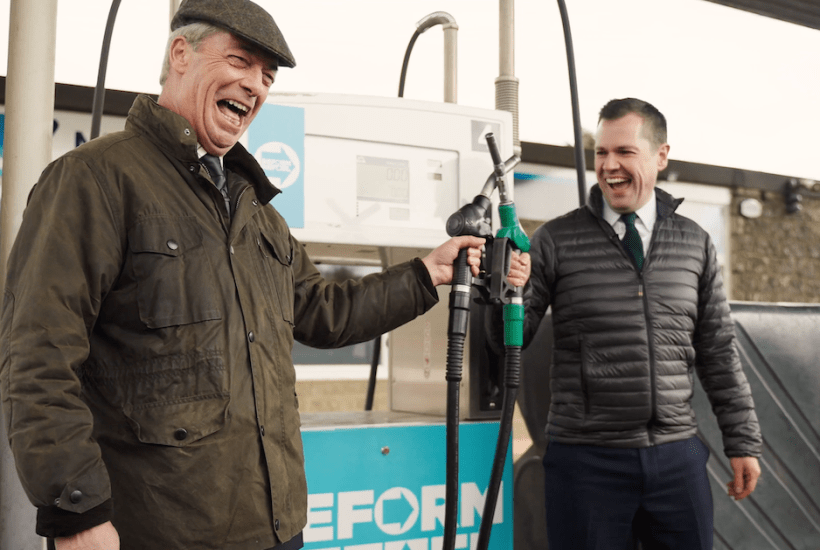
On Tuesday, Reform UK held a press conference in a petrol forecourt near the spa town of Buxton. The party paid for motorists to receive a 25p discount on their petrol, warning that the return of the final 5p fuel duty cut – scheduled by Rachel Reeves – amounts to a rise in ‘petrol prices at the worst possible moment’.
In 12 years, the price of petrol has barely changed at all
Undoubtedly people are struggling with the cost of living at the moment for a whole host of reasons. But in the grand scheme of things, the amount that we pay for petrol in fuel stations is, by historic standards, actually very reasonable.
In April 2012, the average weekly price of a litre of petrol was 142.17p. The average at the start of this month was 137.8p. In 12 years the price of petrol has barely changed at all. In real terms, once inflation is taken into account, the price has actually fallen substantially. If petrol had risen broadly in line with inflation since 2012, motorists would already be paying comfortably over £2 per litre.
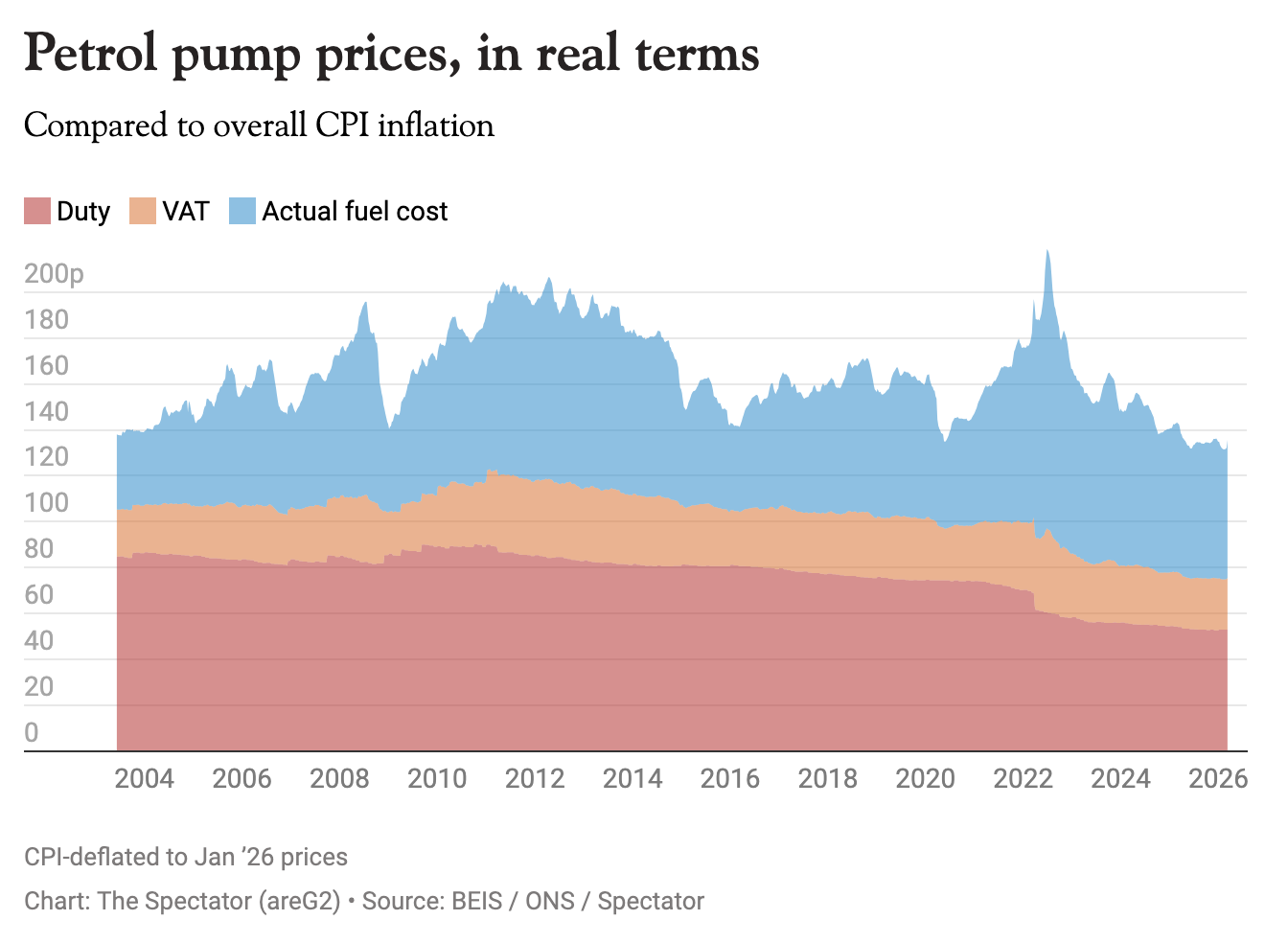
Seen from this perspective, the prospect of petrol prices briefly reaching £2 a litre because of disruption in the Strait of Hormuz – the source of many alarming headlines this week after the conflict with Iran escalated – looks rather less dramatic than the coverage suggests.
There are several reasons why petrol prices have remained relatively stable over the past decade. The most important structural change was the American shale revolution, which turned the United States from a large importer of oil into a major exporter. That surge in global supply helped trigger a dramatic oil price collapse in 2014-15, when crude prices briefly fell below $30 a barrel. The episode permanently weakened the ability of Opec to control the global oil market.
Technological improvements have also made oil extraction cheaper in many regions, while efficiency gains have reduced the rate at which advanced economies consume fuel. Even the pandemic played a role: the collapse in global travel in 2020 produced one of the sharpest temporary declines in oil demand in modern history, helping to anchor prices for several years afterwards.
Of course, this must all be qualified. Real incomes in Britain have also been unusually weak. Median real pay is still only modestly higher than it was before the financial crisis, meaning that many households feel poorer even if specific prices have not risen dramatically. Motorists have also been hit in other ways. Charges such as Ulez schemes, congestion zones and low-traffic neighbourhoods have imposed additional costs or restrictions on drivers in many cities. Nonetheless, motorists are probably still having a better time than people who travel by train. Rail fares have risen repeatedly over the past decade, with regulated fares increasing by 64 per cent since 2010.
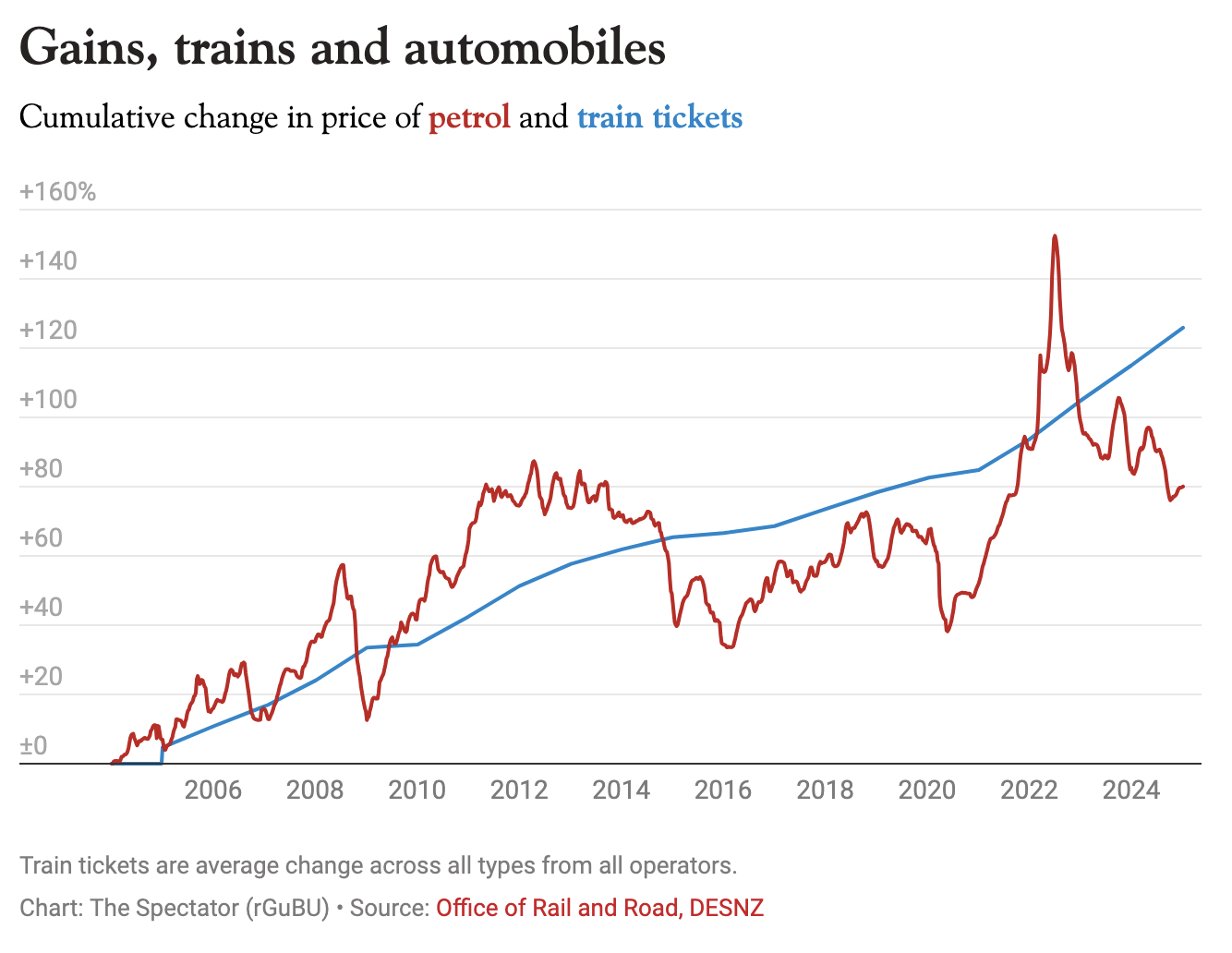
In other words, while motorists often feel like they are being hit hard, the numbers tell a slightly different story. In real terms, petrol in Britain today is actually a lot cheaper than it was a decade ago. For many commuters, the punishing price increases have been happening somewhere else entirely: on the railway.