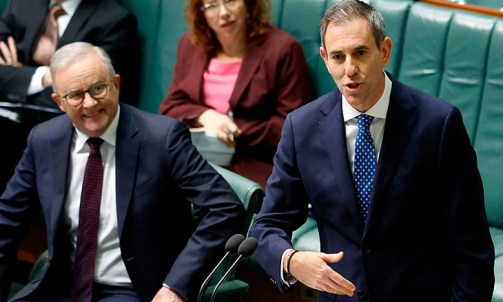
Last week, Australia took a historic step: the government officially closed the Embassy of the Islamic Republic in Canberra, citing its involvement in planning terrorist attacks in the country, and at the same time shut down its own embassy in Tehran.
For the first time since the second world war, Australia also designated the Islamic Revolutionary Guard Corps (IRGC) as a terrorist organisation.
This unprecedented decision is not just a national action but can also be understood within the framework of Australia’s intelligence and security cooperation with the Five Eyes alliance (United States, United Kingdom, Canada, Australia, and New Zealand). This alliance plays a key role in sharing intelligence and countering global threats. Australia’s move shows that coordinated pressure from these countries against the Islamic Republic and its military arm, the IRGC, has entered a new stage.
Looking at Australia’s next steps, the country may, in line with Canada and the United States, impose new economic and human rights sanctions against individuals and entities linked to the Islamic Republic. As a result, domestic security measures are likely to become stricter, cooperation with the Five Eyes alliance will deepen, and pressure on the Islamic Republic’s agents in Australia will increase.
At the centre of this terrorist network is none other than the ruler of the Islamic Republic, Ali Khamenei, often referred to in the media as the ‘head of the snake’. Through repression, terror, corruption, and destabilisation, he has thrown not only Iran but the whole region into turmoil. Yet the Iranian people have stood firm, resisting him and his oppressive regime with courage. Still, for final victory, this nation needs the backing of foreign policies and international support.
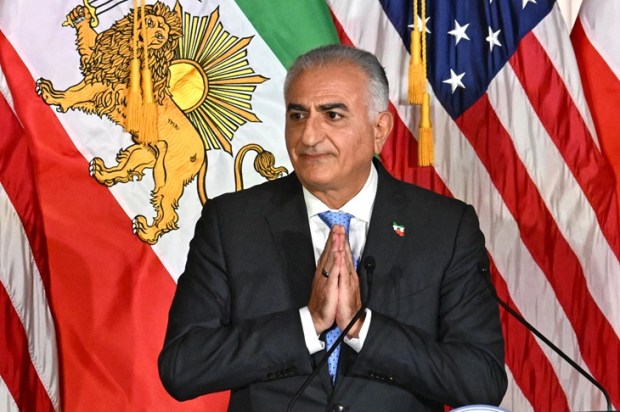
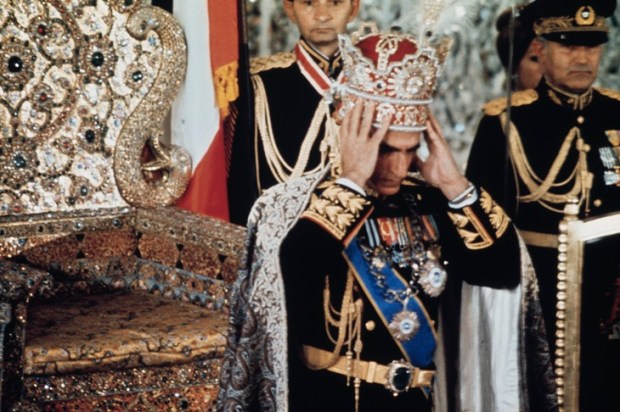
If the free world, especially democratic allies such as the Five Eyes countries, chooses to stand behind Crown Prince Reza Pahlavi as the national leader of Iranians, they can play a historic role in helping the Iranian people reclaim their freedom and sovereignty.
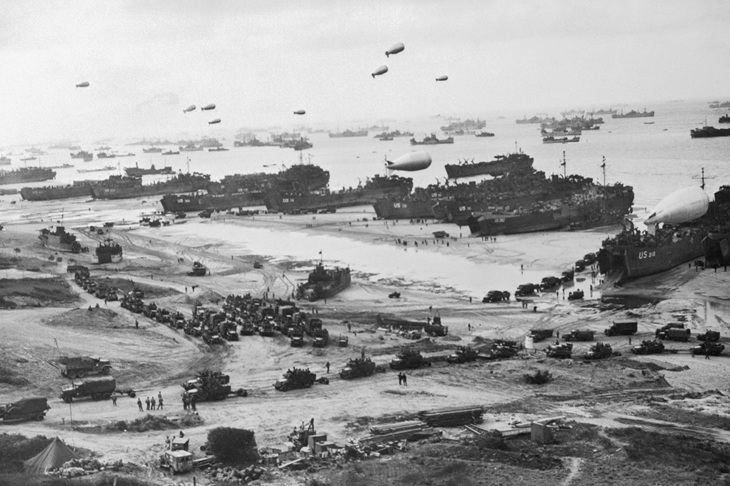
This situation is not unlike the story of Normandy in the second world war. At that time, Europe was crushed under Nazi occupation. Many nations resisted Hitler from within, but they could not defeat his war machine alone. Finally, on D-Day, June 6, 1944, Allied forces led by the United States, the United Kingdom, and Canada launched a massive operation on the beaches of Normandy, France. It became the largest amphibious assault in history and marked the beginning of the Nazi downfall. The people of France and other occupied nations, who had resisted for years, regained hope and strength once they saw outside support, and eventually reclaimed their freedom.
Today, the Iranian people are in a similar position: they have resisted for years, sacrificed their lives, and struggled for freedom, but defeating the oppressive system of the Islamic Republic without practical foreign support remains extremely difficult. Just as in Normandy, when liberating forces came to the aid of Europe, now too the free world must stand with the Iranian people. With serious support for Crown Prince Reza Pahlavi as their national leader, the people of Iran can finally reclaim their homeland from the grip of tyranny.
By Leila Naseri: Author | Composer | Social Monarchy Activist