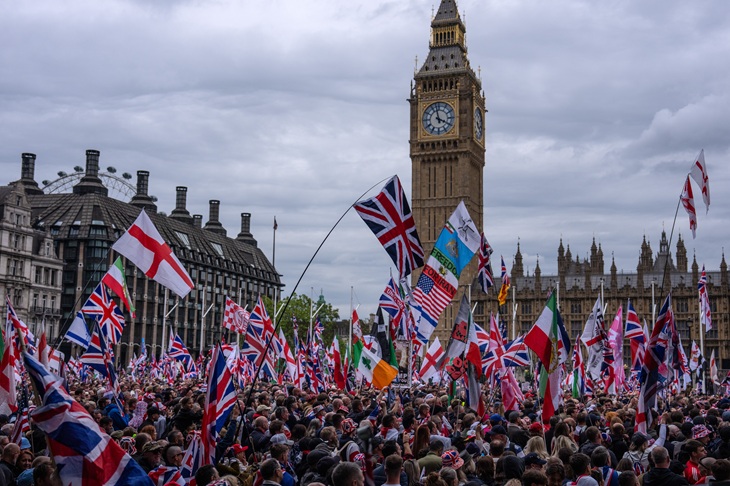
Last weekend, while Australians were still coming to terms with a federal budget containing policies voters were repeatedly assured would never see the light of day, more than 100,000 people marched through London under the banner ‘Unite the Kingdom’.
The rally, led by Tommy Robinson, was immediately condemned in predictable terms by large sections of Britain’s political and media class. Yet despite warnings of extremism and impending disorder, only 11 people were arrested.
That detail matters.
Because the important thing was not who led the march, it was that tens of thousands of people no longer believe politics is capable of hearing them.
That feeling fuelled Brexit. It carried Donald Trump into the White House. It now drives the rise of Nigel Farage and Reform UK in Britain, and sits beneath the continued rise of One Nation here in Australia.
Most commentators still describe these movements as populist revolts against the establishment. But something much deeper is happening across the West. People are no longer simply losing faith in governments. Many are losing faith in politics itself.
And that raises a deeply uncomfortable question: What happens when democratic systems stop functioning as effective pressure valves for public anger?
Historically, revolutions had visible enemies. Kings. Monarchies. Aristocracies. Palaces. People knew where power lived. They knew who ruled them. They knew where to direct their anger.
Modern power is different.
Today power is diffuse, managerial, and institutional. It sits inside bureaucracies, regulatory agencies, courts, universities, central banks, multinational systems, and permanent administrative structures that survive elections regardless of who wins them. Modern voters often feel ruled but cannot clearly identify who is ruling them.
You cannot lay siege to a compliance department. You cannot drag a bureaucracy into the town square. There will be no storming of the Bastille in the 21st Century because modern power has no palace gates.
And ordinary people can feel it.
For decades, Western political parties argued over management while broadly sharing the same assumptions about globalisation, migration and technocratic governance. Then living standards stalled. Housing became unattainable for millions of young people. Entire suburbs began feeling economically and culturally unrecognisable to the people who grew up in them. Young Australians who did everything they were told increasingly found themselves locked out of the lives they were promised.
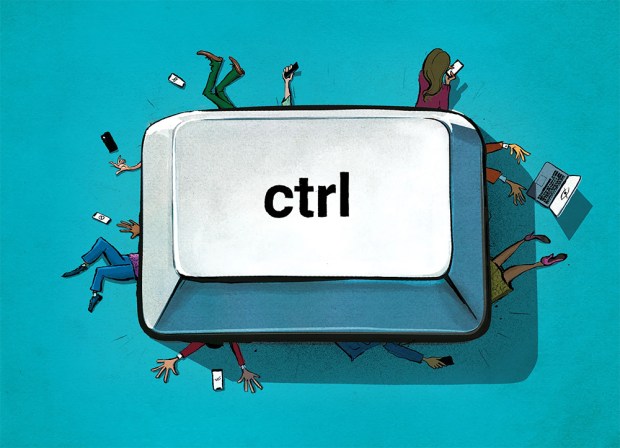
At the same time, the laptop class replaced the aspirational class. Where the West once celebrated the builder, the business owner and the risk-taker, now it rewards the manager, the consultant and the compliance officer. In Australia, nearly one in five workers is employed directly by government, surrounded by a sprawling ecosystem of regulators, consultants and institutional bureaucracies insulated from many of the pressures reshaping ordinary life – pressures their very policies are creating.
That is when trust begins collapsing.
Historically, democratic systems survived because people believed they could peacefully alter the direction of their society. Democracy’s greatest strength was never voting itself. It was legitimacy.
That legitimacy is now weakening.
The rise of populist movements was the first phase of that collapse. Brexit, MAGA, Reform UK and One Nation emerged because millions concluded the political establishment no longer represented them. But now a second fracture is emerging – and it may prove even more dangerous than the first.
Voters are beginning to distrust the anti-establishment movements themselves.
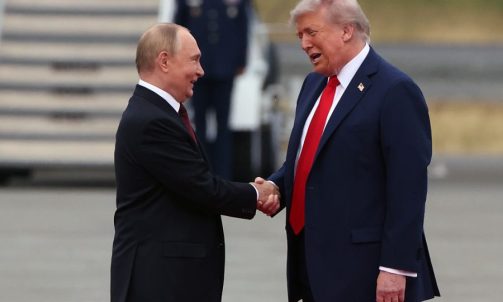
Trump was supposed to be the wrecking ball that shattered the American political machine. Instead, many of the voters who carried him to power now feel the machine absorbed him. The bureaucracy survived. The institutional order endured. The wars continued. The revolution many expected became management once again.
That matters because it reveals something profoundly destabilising: the modern revolt no longer ends when anti-establishment figures take power. It intensifies when voters conclude that even they cannot truly alter the trajectory of the system itself. Elections change governments, but many people now suspect they no longer meaningfully change the direction of the machine.
And once large numbers of people arrive at that conclusion, democratic politics becomes extraordinarily fragile.
At the same time, many Western societies are narrowing the boundaries of acceptable dissent. Historically, systems under legitimacy pressure have always attempted to regulate criticism. Modern democracies now do softer versions of the same instinct through deplatforming, professional punishment, reputational destruction and expanding cultural taboos around certain political questions. Many people now experience the system as permitting participation only within approved limits.
That accelerates the pressure further.
Australia may prove even more vulnerable to this dynamic than America. Americans still possess a deeply ideological national mythology built around revolution and founding principles. Australians do not. We have historically distrusted politicians almost instinctively. We vote because we must, not because we romanticise politics itself. And in a country like that, no political party, politician or institution should assume it is permanently safe from public anger.
Today, the pressure is still releasing peacefully – through rallies, populist movements and electoral revolts. But democratic systems survive only while people believe peaceful participation can still meaningfully alter the direction of their society. Once that belief disappears, something far less predictable follows.
Damien Costas is the author of “What Happened to the Lucky Country?”