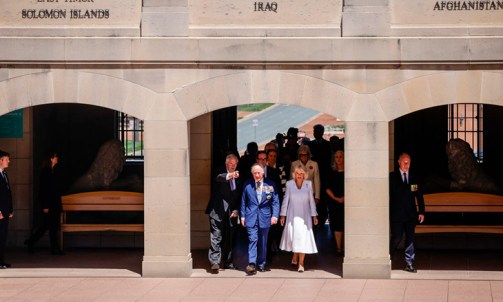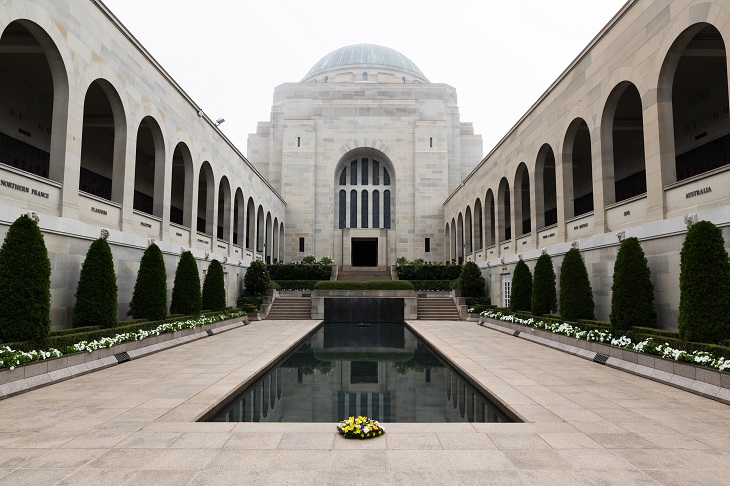
Anzac Day is observed every year on April 25 in Australia, a day that begins in silence and respect. It commemorates the soldiers who lost their lives in wars, especially in the Gallipoli Campaign.
Before sunrise, people gather for the Dawn Service, candles are lit, and names are read softly. Throughout the day, marches take place, and veterans walk slowly through the crowds while people stand in respectful silence. In the end, with flowers laid and a quiet pause, each person remembers in their own way those who never returned home.
People my age in Australia may never understand what it means to wait for a loved one to come back, how every phone call can change everything, or how sometimes no call ever comes again.
In the past four months, people in my country, Iran, have stood empty-handed, trying to reclaim their homeland, and they have paid with their lives.
Real pain is not just in numbers, more than 40,000 people who were killed by the Islamic regime, it is in the silence that follows, in homes that go dark, in names that are no longer spoken, and in a world that sees suffering yet remains silent while speaking of human rights.
Sometimes it feels like the world only wakes up when its own interests are at risk, otherwise even the smell of blood disappears beneath politics.
When I look at Anzac Day posters and red poppies, I cannot help but think of Private Ryan and the Lost Peace book by Douglas Newton, the story of a soldier who believed he had gone to war for peace, but slowly realised the truth was very different. The book tells the real story of an Australian soldier, Ted Ryan, who comes to understand that the war he was told was for freedom and justice was deeply tied to imperial interests, hidden agreements, and resources like oil.
Douglas Newton shows that Australia, during the first world war, did not act independently and placed its forces under British command. Behind the noble slogans of war, Britain and its allies were also pursuing power, territory, and influence. Agreements concerning regions like the Ottoman lands and Iran reflected these interests. When Ryan saw this contradiction, he spoke out against the war and called for a negotiated peace. For this, he was court-martialed multiple times and even faced a death sentence. His story reveals that many soldiers believed they were fighting for peace, while in reality they became victims of larger political interests and hidden agendas.
In the end, the difference between Anzac Day and what is happening today in Iran is not just time or place, but what is seen and what is ignored. On one side, remembrance is honoured with dignity, and on the other, suffering continues but is often overlooked. This raises a simple question: Does the value of human life depend on time and place, or should it remain constant?
The real story told in this book is not only about the past, it is a warning. It shows how truth can be hidden behind official narratives and how ordinary people pay the price for decisions they never made.
Perhaps remembering is not only about honouring the past, but about accepting responsibility in the present. If we truly remember those who died, it should lead us to not ignore the suffering we see today.
At last, this is not only about politics, it is about people. People whose lives and futures are shaped by decisions beyond their control. If history teaches anything, it is that indifference has a cost, and it is often paid by others. Maybe it is time to move beyond repeating stories and ask ourselves a simple question: What is our role as human beings when we witness suffering?
By Leila Naseri: Author | Composer | Social Cultural Activist