Biography
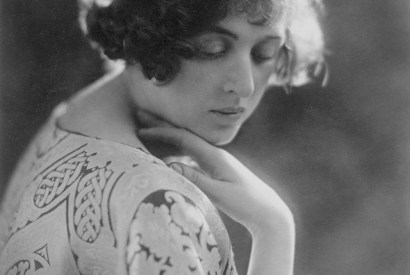
A life lived to the hilt: Clare Consuelo Sheridan
The daughter of an American heiress and first cousin to Winston Churchill suffered penury and widowhood but went on to lead an extraordinary life as a sculptor, author, journalist and Soviet sympathiser who had affairs with H.G. Wells, Trotsky, Charlie Chaplin, Ataturk and Mussolini among many others
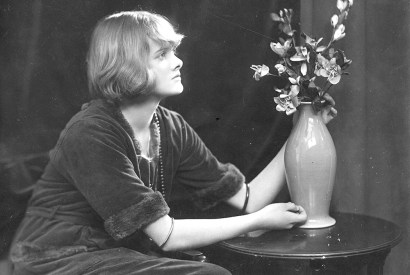
The spellbinding power of the du Maurier family
Daphne du Maurier’s grandson examines his forebears’ imaginative understanding of the collective unconscious and their uncanny feel for what the public wanted
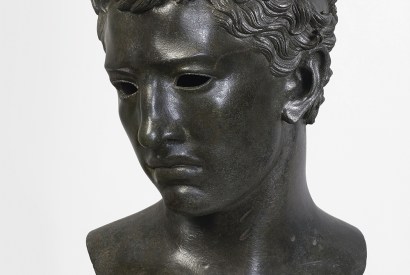
The enigma of Juba II, ‘the most fortunate captive ever taken’
The Numidian prince, raised in Julius Caesar’s household, remains a shadowy figure, but we get some good stories about his contemporaries, including Pliny the Elder and the Emperor Caligula
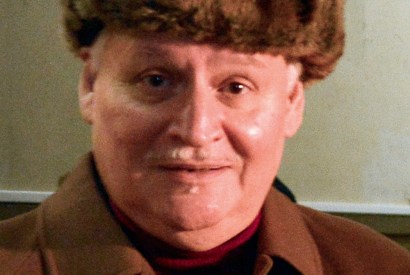
‘I always had a good life’: the boast of the 1970s’ most notorious terrorist
Carlos the Jackal, responsible for shooting mainly unarmed people point-blank, will live comfortably in a French prison for the rest of his days – a celebrity to inmates and visitors
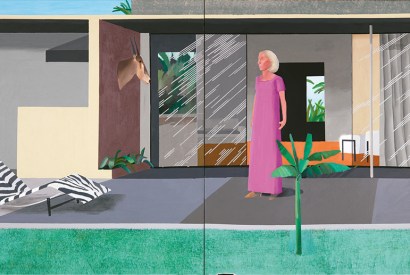
‘A wonderful, wacky woman’: a tribute to Betty Freedman
The gifted pianist, photographer and art collector had an extraordinary love of the contemporary, and this account of her friendship with David Hockney is deeply moving
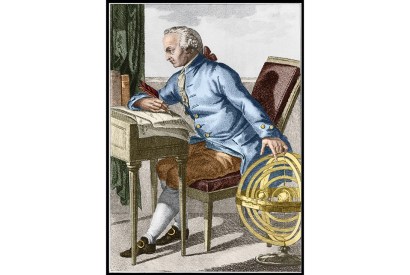
Why we must forgive Immanuel Kant his misogyny and racism
All humans are worthy of respect, he taught – except if they are black, Jewish or female. But his views were grounded in what he regarded as ‘facts’, argues Robert Wicks
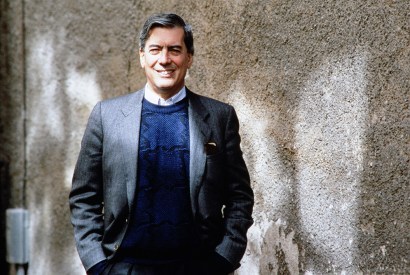
‘A selfish, ignoble person’ – the dark side of the Nobel prize-winner Mario Vargas Llosa
‘Why so many lies, so many deceptions, so much disloyalty?’ lamented his first wife, echoing the views of many others once close to the Peruvian novelist
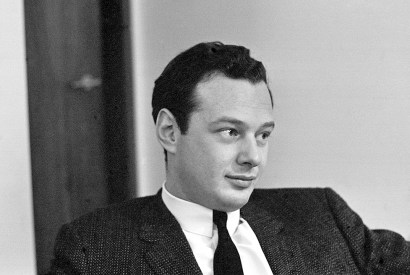
Persistent gossip about Brian Epstein’s death risks defining his life
Must the Beatles’ manager’s extraordinary vision be forever overshadowed by unfounded rumours of a contract killing?
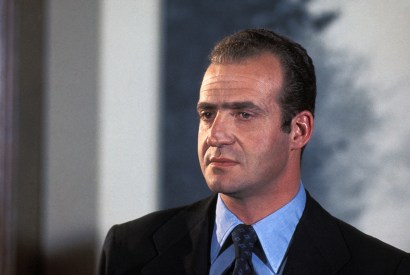
The disgrace of Juan Carlos of Spain, a modern-day Don Juan
The once popular king was forced into exile in 2014 when rumours of profligacy, illegitimate children and ‘an unbridled sexual appetite’ finally caught up with him
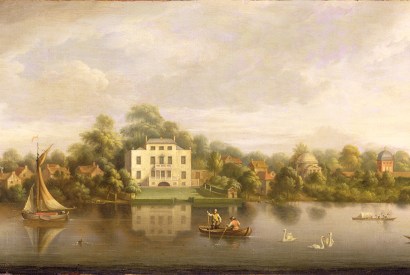
In the dazzling company of Alexander Pope and friends
For three months in Twickenham in 1726, Pope and his guests John Gay and Jonathan Swift worked on their satirical masterpieces while entertaining each other with their repartee

The sham shaman: the fantastic lies of Carlos Castaneda
An entirely invented memoir, supposedly relaying the wisdom of a Mexican guru, was not only a cult bestseller but was endorsed by anthropologists and even UCLA
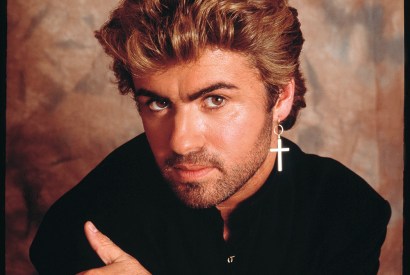
Wham! How George Michael shot to stardom straight from school
The singer himself described his career as ‘unreal’, and admitted that one reason for cruising was the rare chance it gave him to meet ‘ordinary people’
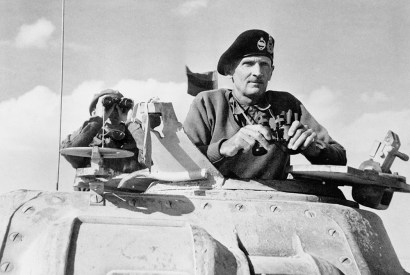
Insufferable martinet or inspirational hero? Field Marshal Montgomery was both
An abusive childhood may help explain the contradictory character of Britain’s great second world war commander, says Gary Mead
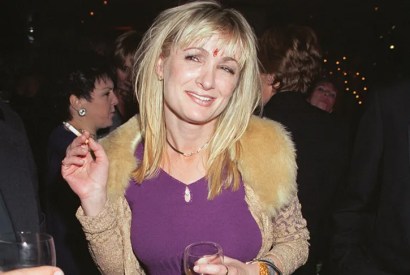
Caroline Aherne’s comedic genius is much missed
No one today can unmask pomposity and self-obsession as devastatingly as Aherne did in the guise of the faux-naive Mrs Merton
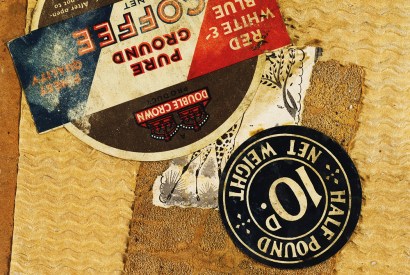
Witty, lyrical and abstract: the art of Kurt Schwitters
The German Dadaist developed his own brand of anti-rational art, transforming the junk of everyday life into vivid collages
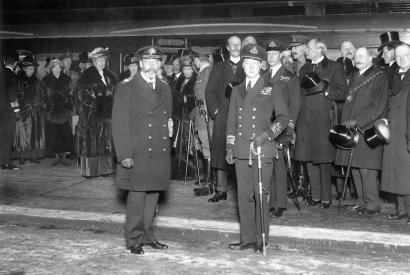
The vexed relationship of Winston Churchill and George V
The King found his minister ‘very socialistic’, and was especially outraged when Churchill, on moving to the Admiralty in 1911, suggested calling a ship HMS Oliver Cromwell
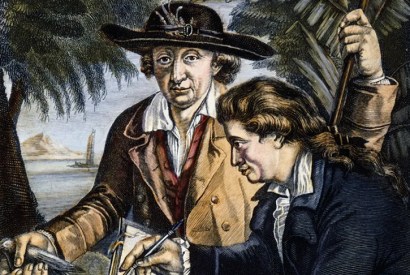
The short, eventful life of George Forster – explorer, naturalist and revolutionary
By the time he died, aged 39, the German-Polish polymath had travelled the world, mastered ten languages, witnessed the French Revolution and campaigned tirelessly for human rights
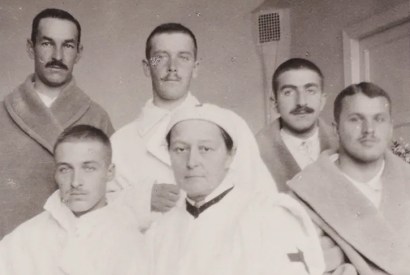
Another heroic freethinker is wiped from Russian history
Vera Gedroits, the world’s first woman professor of surgery, inevitably fell foul of Stalin, despite supporting workers’ rights and saving hundreds of lives in the Russo-Japanese war
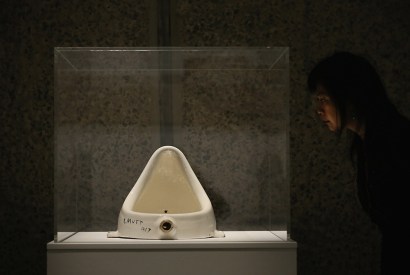
Was Marcel Duchamp’s notorious ‘Fountain’ even his own work?
The ‘readymade’ sculpture, signed R. Mutt, may have been the brainchild of Elsa von Freytag-Loringhoven, and only claimed by Duchamp after her death
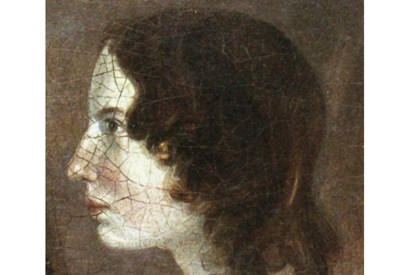
A glimpse of the extremes of Emily Brontë’s imagination
Confined spaces as well as open ones preoccupied Emily, with dungeons and graves filling her poetry as much as the unbounded landscape of the moors
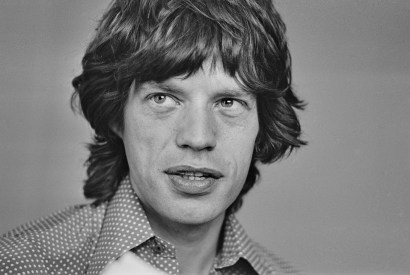
Lean and mean: Mick Jagger was always a tightwad
His parsimony included replacing chocolate biscuits with plain ones at recording sessions and paying a derisory £50 for what became known as ‘the most famous logo in the history of pop music’
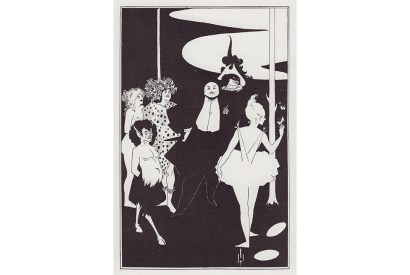
A portrait of the fin de siècle in all its morbid decadence
Matthew Sturgis leads us into a sultry, incense-laden world where Death itself nurses a sinister preference for the young
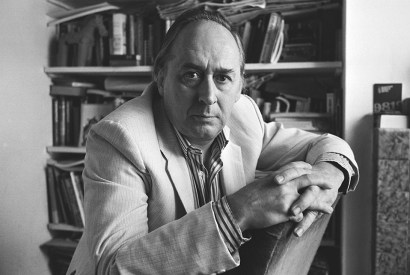
J.G. Ballard’s surreal fiction continues to resonate through the century
Christopher Priest’s sympathetic biography, completed by his wife after his premature death, will enlighten new readers and maintain Ballard’s reputation
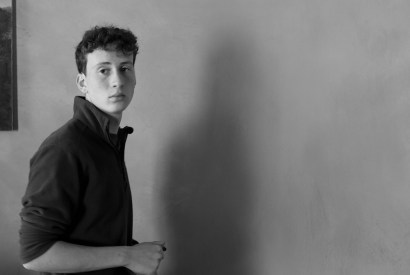
A deadly imitation game: the fate of the British teenager who posed as a Russian oligarch’s son
Patrick Radden Keefe investigates the mystery of Zac Brettler’s fall from the balcony of a luxury riverside apartment into the Thames one November night in 2019
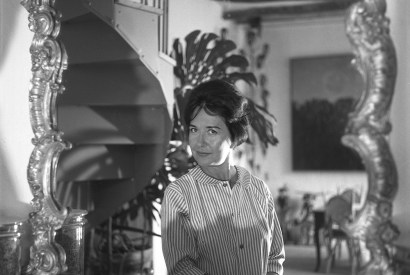
Defiantly creative to the end: the transgressive Dorothea Tanning
Born in Illinois in 1910 in the middle of a hurricane, the experimental Surrealist became the model of the fiercely independent artist