
Books

Leonardo Sciascia and the reshaping of the detective novel
Crimes go unpunished while injustice is upheld and truth perverted. Such is the Mafia reality, according to the saturnine Sciascia

Dark days in Kolkata: A Guardian and a Thief, by Megha Majumdar, reviewed
As the city descends into chaos and starvation, a ‘manager madam’ and desperate intruder clash in their efforts to keep their respective families alive
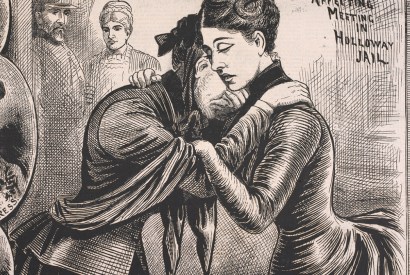
Horror in Victorian Hampstead: Mrs Pearcey, by Lottie Moggach, reviewed
A fledgling female journalist fights hard to exonerate an impoverished woman accused of double murder
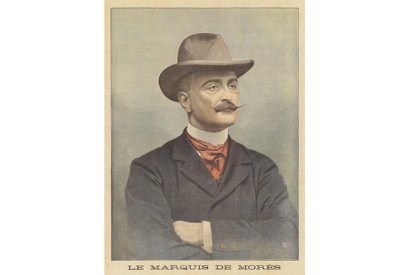
The turbulent life of the Marquis de Morès – the 19th-century aristocrat turned populist thug
Soldier, duelist and frontier ranchman, the anti-Semitic adventurer brought cowboy-style politics to the streets of Paris as the Third Republic lurched from one crisis to another
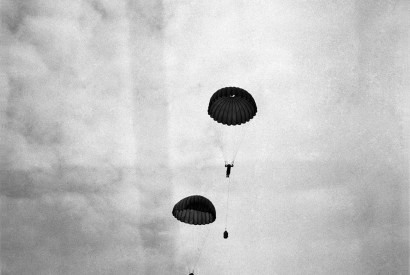
Sabotage in occupied France: The Shock of the Light, by Lori Inglis Hill, reviewed
Having joined SOE at the outbreak of war, young Tessa faces immense dangers, not all of which she can overcome

Mark Haddon attempts to exorcise the memory of a loveless childhood
Between a father who designed abattoirs and a callous, unresponsive mother, Haddon is left depression-prone, taking a perverse pleasure in envisaging catastrophe

A poignant study of female attachment: Chosen Family, by Madeleine Gray, reviewed
This Sydney-based novel explores friendship, love, betrayal and the highs and lows of parenthood

Where will the extremes of OOO philosophy lead?
We are moving so far from anthropocentrism that even now we are postulating thinking bricks and a kind of global foam that extends beyond human exceptionalism
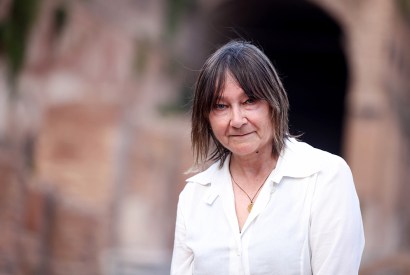
A commentary on the grim present: Glyph, by Ali Smith, reviewed
Smith seems to urge us to pay close attention to the horrors of today’s world. But can such a spectacularly plotless novel convey any meaningful message?
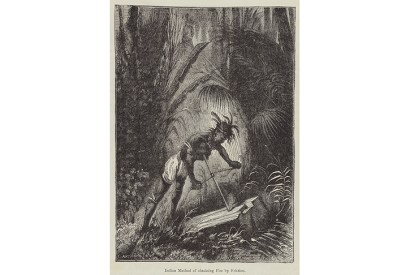
How mastering friction transformed humanity
The act of rubbing objects together led to the discovery of fire, fuelling many of mankind’s most significant cultural achievements
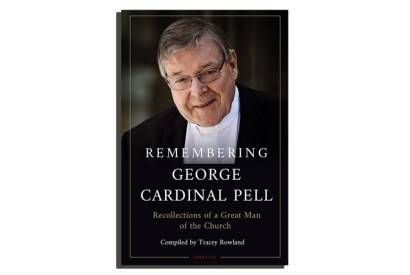
Cardinal memories
Just over three years have passed since the death of George Cardinal Pell. The publication of this tome, which Tracey…

A satirical masterpiece: Blinding, by Mircea Cartarescu, reviewed
Bucharest is transformed into a phantasmic playground in this surreal take on Romania’s horrific recent history

Who will rule the Arctic?
When it comes to icebreakers, the US pales by comparison with Russia in the growing struggle for control of polar shipping routes and mineral resources
Time for a reckoning: Vigil, by George Saunders, reviewed
A mega-rich oil magnate is offered a last-minute opportunity for repentance in this Christmas Carol for our times, targeting corporate greed and consumerism

A flying visit: Palaver, by Bryan Washington, reviewed
A mother travels impulsively from Texas to Tokyo to spend time with her estranged son when she hears an unfamiliar catch in his voice over the phone

What triggered punk rock’s swastika fetish?
The Nazi tropes adopted by 1970s pop stars reflected mindless defiance rather than political extremism – but they have more worrying echoes today
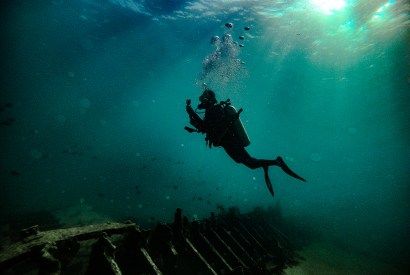
An intellectual farce: Rapture of the Deep, by Robert Irwin, reviewed
Quantum physics, time travel, chaos theory and religious speculation all find a place in this ideas-rich romp about a lonely scientist studying ‘nitrogen narcosis’
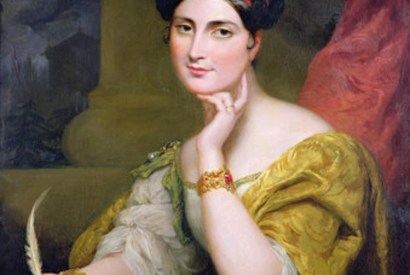
How ‘bad’ does a mother have to be to lose custody of her children?
In a bitter dispute in the family court, Lara Feigel is informed that her ‘wilful’ insistence on writing books is a clear indication that she is not putting her children first
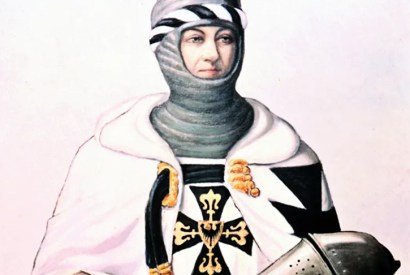
Imposing Christianity on Europe’s last pagans
The heroic deeds of the Teutonic knights were once part of Germany’s foundational myth. Now the black cross is associated with the swastika and Hitlerian schemes of expansion
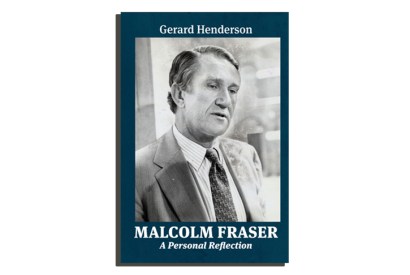
Fraser under the microscope
Gerard Henderson is known for his sound convictions, his incredible political memory, his tough scrutiny of mainstream media – especially…
The serious business of games: Seven, by Joanna Kavenna, reviewed
A young philosopher goes in search of the curator of the Society of Lost Things and the once world-famous game of Seven whose rules no one seems to know
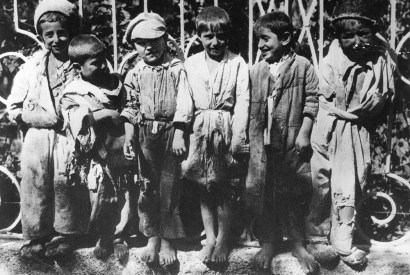
A young Englishwoman is caught up in the Russian Revolution
Rhoda Power’s first-hand account of the Tsar’s abdication and the coming of the Bolsheviks was first published in 1919 and has never really been surpassed

Bookshop blues: Service, by John Tottenham, reviewed
An aspiring novelist working the evening shift in an LA bookstore is forced to listen to endless chat about works he knows in his heart to be terrible – or, worse, fears might be good
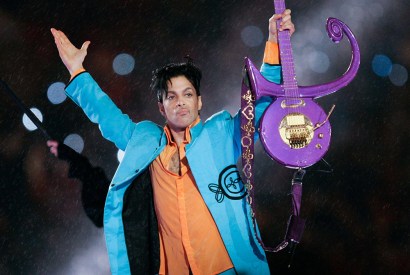
The madness of Prince Rogers Nelson
The pop star’s extensive entourage were expected to be on call 24/7, responding to his every whim while turning a blind eye to the French farce of his love life


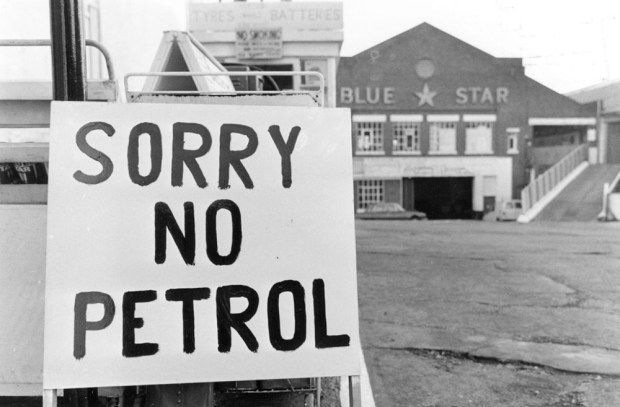

Will we ever stop predicting the end of civilisation?
Mark Cocker 24 January 2026 9:00 am
A self-destructive dynamism is at work in the West, argues the latest prophet of doom, Paul Kingsnorth, as we dethrone the old gods and install the new ones – of power, self and money